New Drug Target Could Stop Aggressive Prostate Cancer
Columbia researchers discovered a gene that drives deadly prostate cancer and found an FDA-approved drug that could stop it. The breakthrough offers hope for men whose cancer stops responding to standard treatment.
Scientists just identified a promising way to fight one of the deadliest forms of prostate cancer, a disease that will affect one in six men during their lifetime.
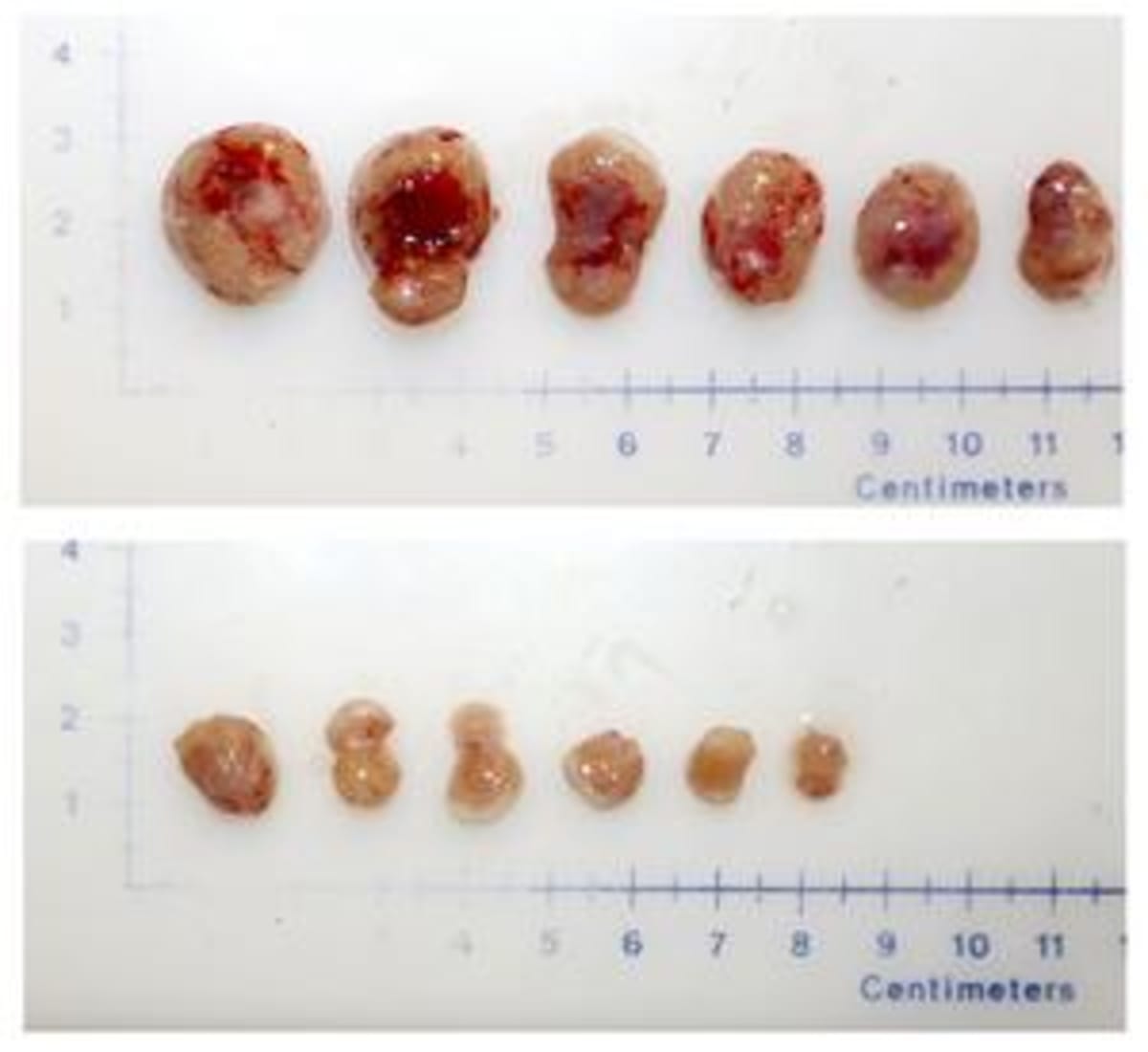
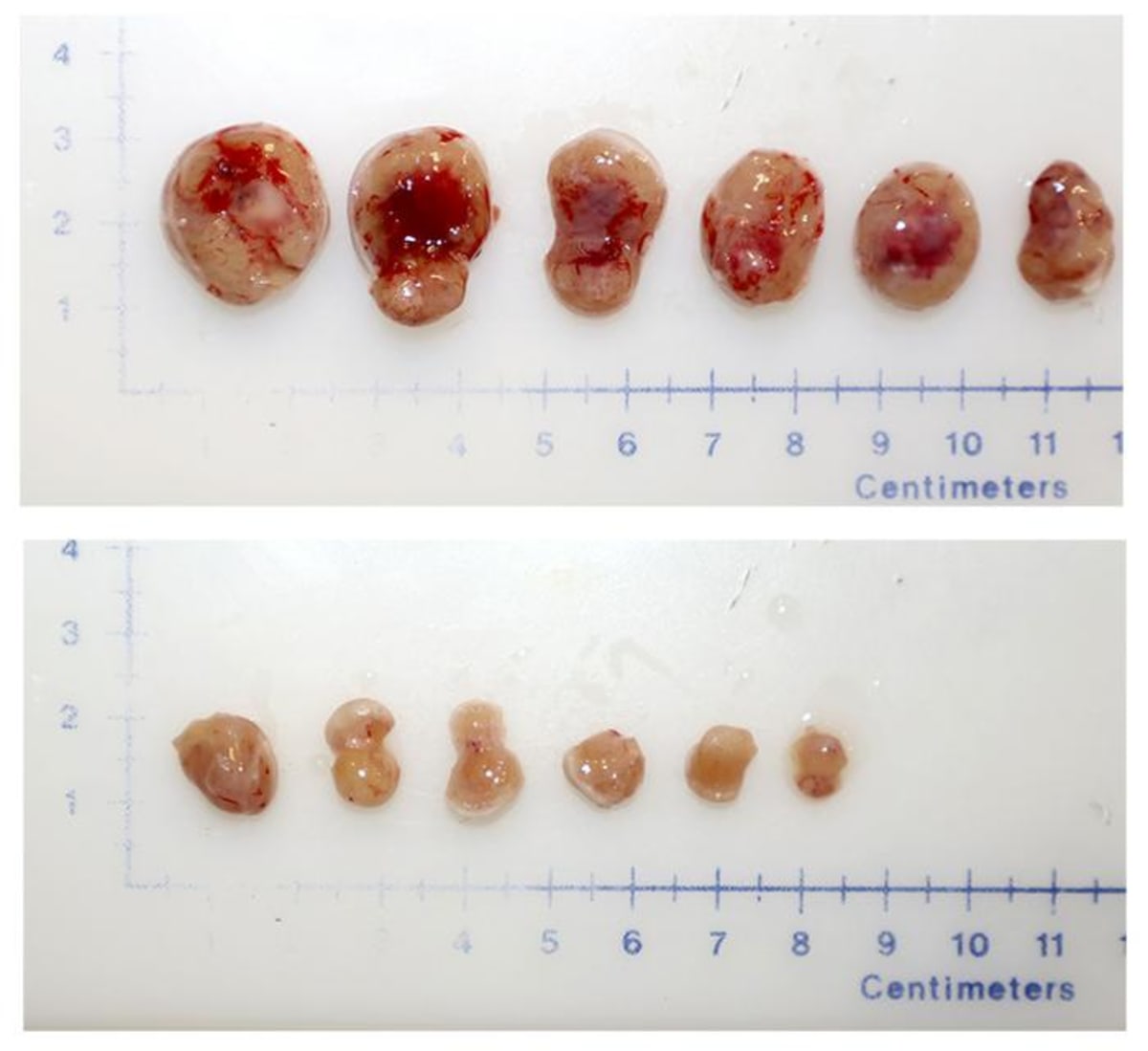
Researchers at Columbia University Irving Medical Center discovered that a gene called Sirtuin 1 drives the development of neuroendocrine prostate cancer (NEPC), an aggressive form that resists standard treatment. When they blocked this gene in mice, tumors shrank dramatically.
The timing couldn't be more important. Most prostate cancer patients receive androgen deprivation therapy, which works well at first. But eventually, the treatment stops working, and some tumors transform into NEPC, a much more aggressive variant that's difficult to treat.
Professor Cory Abate-Shen and her team screened mice with prostate cancer, searching for genes that kept appearing in tumors. Out of 75 candidates, Sirtuin 1 stood out as the most promising target.
The research team confirmed their discovery using human prostate cancer cells. When they activated Sirtuin 1, key cancer markers increased. When they silenced it, tumor growth dropped significantly.
Why This Inspires
The most exciting part came when researchers tested Selisistat, a drug already approved by the FDA for Huntington's disease. The drug targets the same Sirtuin 1 protein they identified in their research.
Selisistat worked beautifully in mice with NEPC, significantly reversing the aggressive cancer characteristics. Because the FDA has already approved this drug for human use, it could potentially reach clinical trials faster than a completely new medication.
This discovery matters because it addresses a critical gap in cancer treatment. Understanding how tumors become resistant to therapy has frustrated doctors for years. Now researchers have identified not just the problem, but a potential solution that's already passed basic safety testing.
The study demonstrates that Sirtuin 1 doesn't just help tumors grow bigger. It actually controls the process that transforms treatable prostate cancer into its aggressive, treatment-resistant form.
Professor Abate-Shen calls Sirtuin 1 "an attractive and clinically actionable target" that deserves further investigation in human clinical studies. Her team's findings give doctors a clear direction for developing new treatments that could save countless lives.
For men facing this devastating diagnosis and their families, this research represents genuine hope that better treatments are on the horizon.
More Images
Based on reporting by Google News - New Treatment
This story was written by BrightWire based on verified news reports.
Spread the positivity!
Share this good news with someone who needs it