%2Fhttps%3A%2F%2Ftf-cmsv2-smithsonianmag-media.s3.amazonaws.com%2Ffiler_public%2F05%2F0e%2F050e07f3-3c2f-4ad2-82a1-20b7ecceca19%2Fpressure.png)
New Film Shows How Weatherman Saved D-Day in 1944
A meteorologist's risky forecast convinced General Eisenhower to delay D-Day by 24 hours, likely saving thousands of lives and changing the course of World War II. The new film "Pressure" tells the true story of James Stagg, the Scottish scientist who stood firm against conflicting predictions. #
One weather forecast helped win World War II, and now Hollywood is finally telling the story.
In June 1944, meteorologist James Stagg faced an impossible choice. He could agree with his American colleague's sunny prediction for June 5 and let the D-Day invasion proceed. Or he could trust his own data showing a devastating storm and convince General Dwight Eisenhower to delay the largest military operation in history.
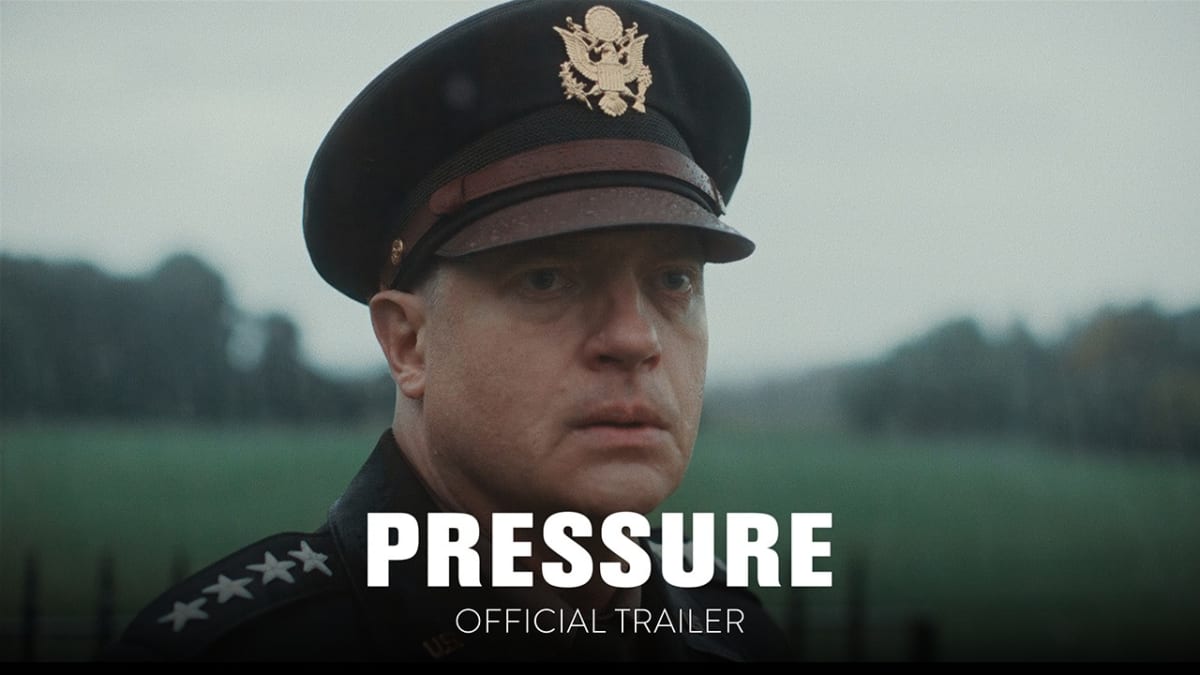
Stagg chose truth over popularity. The new film "Pressure," starring Andrew Scott and Brendan Fraser, dramatizes those tense 72 hours when the fate of Europe hung on cloud patterns and wind speeds.
The stakes couldn't have been higher. Just weeks earlier, a training exercise called Tiger had killed 639 Allied soldiers due to poor conditions and enemy attacks. Eisenhower knew that getting the weather wrong could turn the beaches of Normandy into a massacre.
American meteorologist Irving Krick predicted clear skies for June 5. Stagg disagreed, insisting that forecasts beyond 24 hours were unreliable in Northern Europe. Director Anthony Maras describes the tension as "a group of people who all want the same thing" but must navigate competing data under crushing pressure.
Eisenhower sided with Stagg. He delayed the invasion by one day, waiting for a brief window of calmer weather on June 6. That decision likely saved thousands of lives and caught German forces off guard, since they assumed the Allies wouldn't launch in marginal conditions.
The film takes creative liberties with the timeline and relationships. The real Stagg was appointed chief meteorologist in November 1943, not just days before D-Day. His friendship with Eisenhower's secretary Kay Summersby is imagined for dramatic effect.
Why This Inspires
Stagg's story reminds us that doing the right thing often means standing alone. He risked his career and reputation to deliver an unpopular forecast, knowing that thousands of lives depended on accurate information rather than optimistic predictions.
His courage wasn't about fighting enemies or storming beaches. It was about trusting data, speaking truth to power, and refusing to tell leaders what they wanted to hear when the stakes were life and death.
The film arrives in theaters May 29, bringing overdue recognition to a Scottish scientist who helped free Europe not with weapons, but with honesty.
One weatherman's integrity helped change the world.
#
More Images
%2Fhttps%3A%2F%2Ftf-cmsv2-smithsonianmag-media.s3.amazonaws.com%2Ffiler_public%2F05%2F0e%2F050e07f3-3c2f-4ad2-82a1-20b7ecceca19%2Fpressure.png)
%2Fhttps%3A%2F%2Ftf-cmsv2-smithsonianmag-media.s3.amazonaws.com%2Ffiler_public%2F05%2F0e%2F050e07f3-3c2f-4ad2-82a1-20b7ecceca19%2Fpressure.png)
%3Afocal(750x500%3A751x501)%2Fhttps%3A%2F%2Ftf-cmsv2-smithsonianmag-media.s3.amazonaws.com%2Ffiler_public%2F05%2F0e%2F050e07f3-3c2f-4ad2-82a1-20b7ecceca19%2Fpressure.png)
Based on reporting by Smithsonian
This story was written by BrightWire based on verified news reports.
Spread the positivity!
Share this good news with someone who needs it