New Filter Removes 99% of Nanoplastics From Drinking Water
Scientists in South Korea invented a reusable filter that removes over 99% of the tiniest plastic particles from water without needing electricity. The breakthrough could finally tackle pollution found in hundreds of thousands of particles per bottle.
Scientists just cracked one of the biggest challenges in clean water: removing plastic particles thousands of times thinner than a human hair.
Researchers at Sungkyunkwan University in South Korea developed a filtration system that removes more than 99% of nanoplastics smaller than 50 nanometers from water. These microscopic particles, which are smaller than viruses, can slip through biological membranes in our bodies and potentially trigger immune problems and other serious health issues.
The timing couldn't be better. Recent studies found hundreds of thousands of nanoplastic particles floating in single bottles of drinking water, yet traditional water purification systems struggle to catch anything this small.
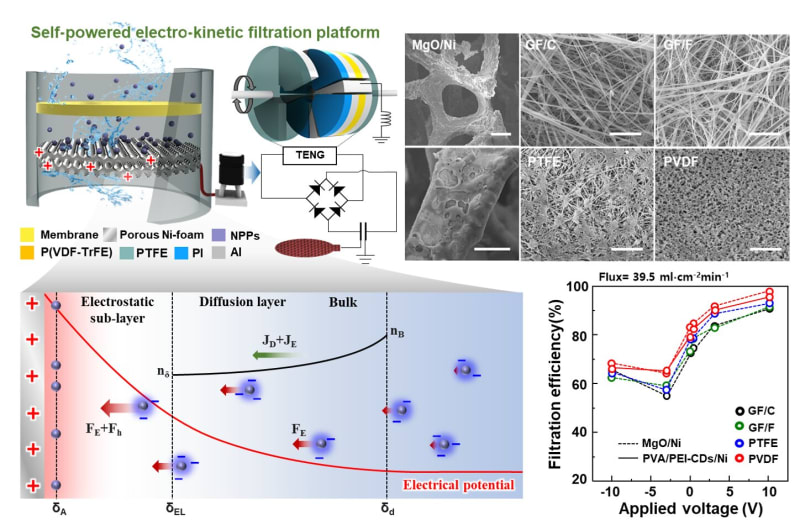
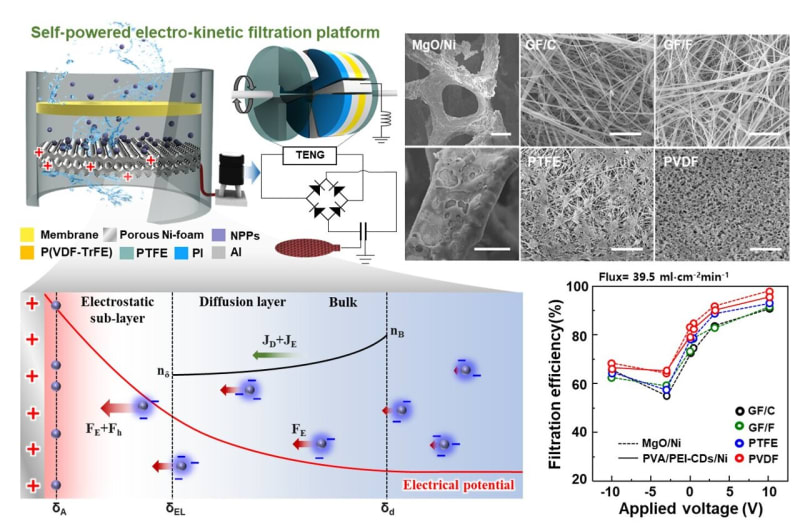
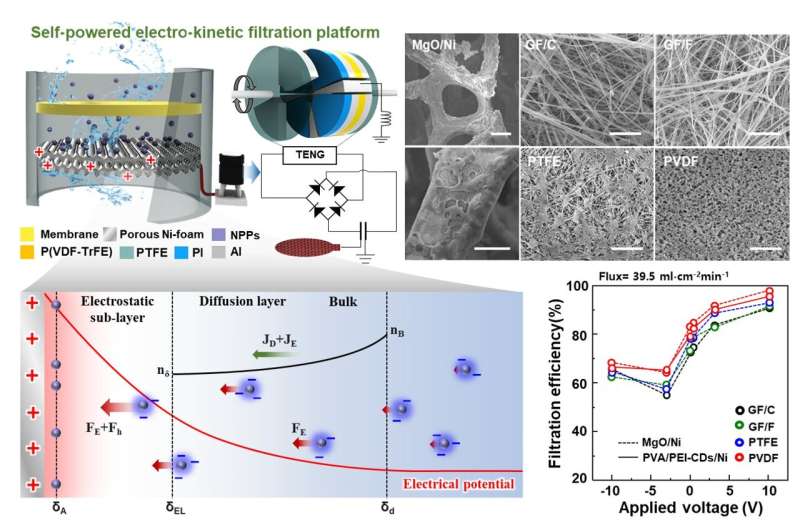
Professor Jeong-Min Baik's team solved the problem by coating a metallic filter with magnesium oxide and a special polymer compound. When they apply an electrical charge, the filter acts like a powerful magnet for negatively charged plastic particles in water.
Here's where it gets even better: the system doesn't need to plug into the wall. The researchers connected it to a triboelectric generator that converts simple mechanical energy into electricity, making it completely self-powered and perfect for areas without reliable electricity access.
The innovation works in real-world conditions too. The team tested it successfully in tap water and river water, and the filtered water met World Health Organization drinking standards.
The Ripple Effect
The filter's reusability sets it apart from wasteful single-use alternatives. By reversing the electrical field, captured plastic particles detach from the filter, cleaning it for the next use. The system maintained its effectiveness even after 20 cleaning cycles, proving it's economically practical for long-term use.
The technology could extend beyond nanoplastics. Professor Baik noted the same approach might work for removing bacteria from water or even capturing valuable metals for recycling.
The research team has already filed a domestic patent and is racing toward commercialization. Their work, published in Materials Today, mathematically explains how the electrokinetic filtration works underwater, opening doors for other scientists to build on this foundation.
Clean drinking water just became more accessible for millions of people worldwide.
More Images
Based on reporting by Phys.org - Technology
This story was written by BrightWire based on verified news reports.
Spread the positivity!
Share this good news with someone who needs it