New Fungus in UK Kills Invasive Moss, Restores Habitats
A newly discovered fungus in Britain is naturally destroying an aggressive invasive moss that has decimated native habitats for decades. Scientists say it's a rare example of the environment fighting back on its own.
A scientist walking on the Isle of Wight four years ago spotted something remarkable: an invasive plant species mysteriously dying off. Now we know why, and it could save precious British ecosystems.
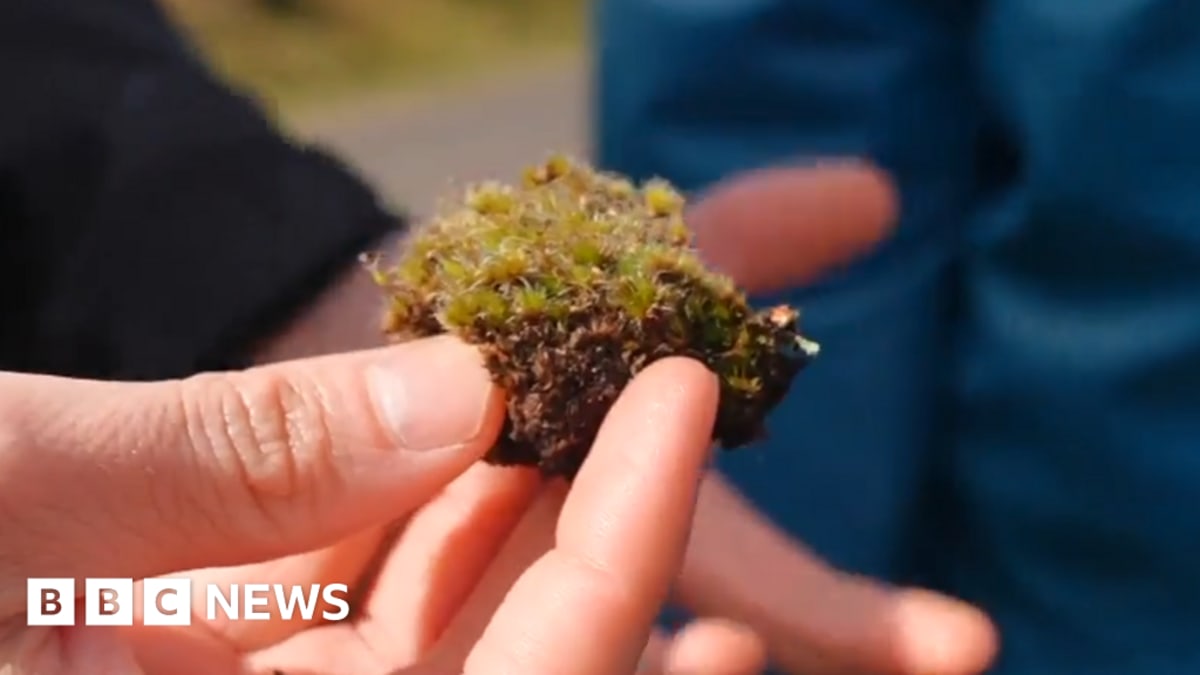
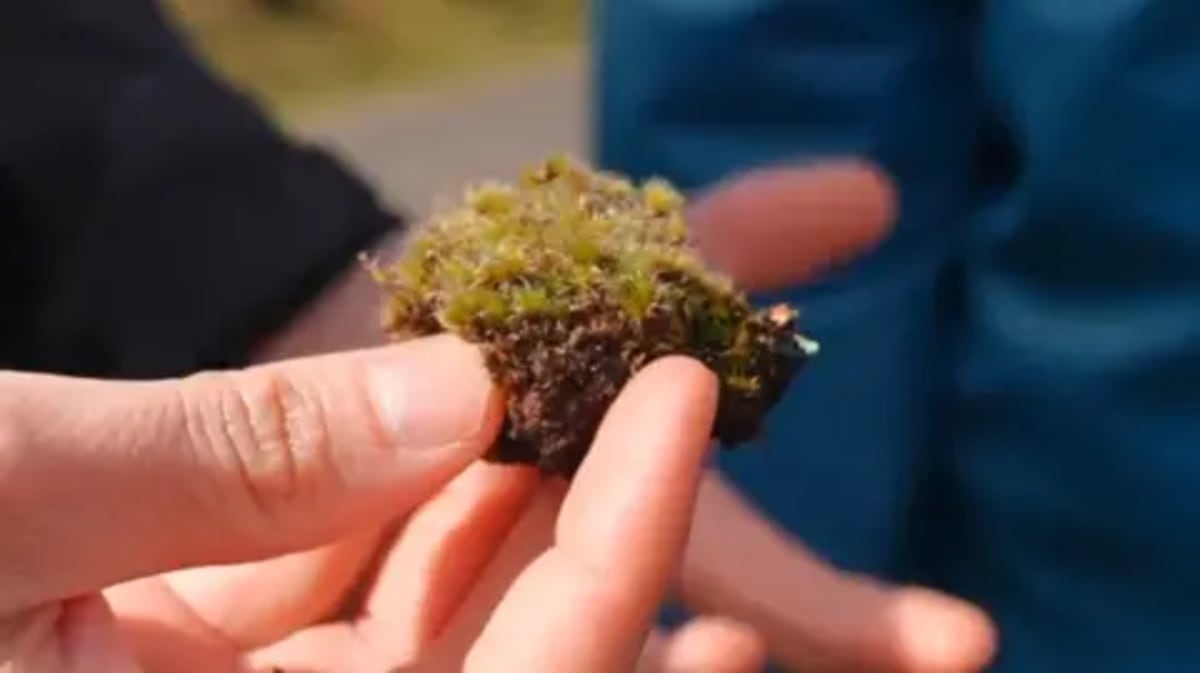
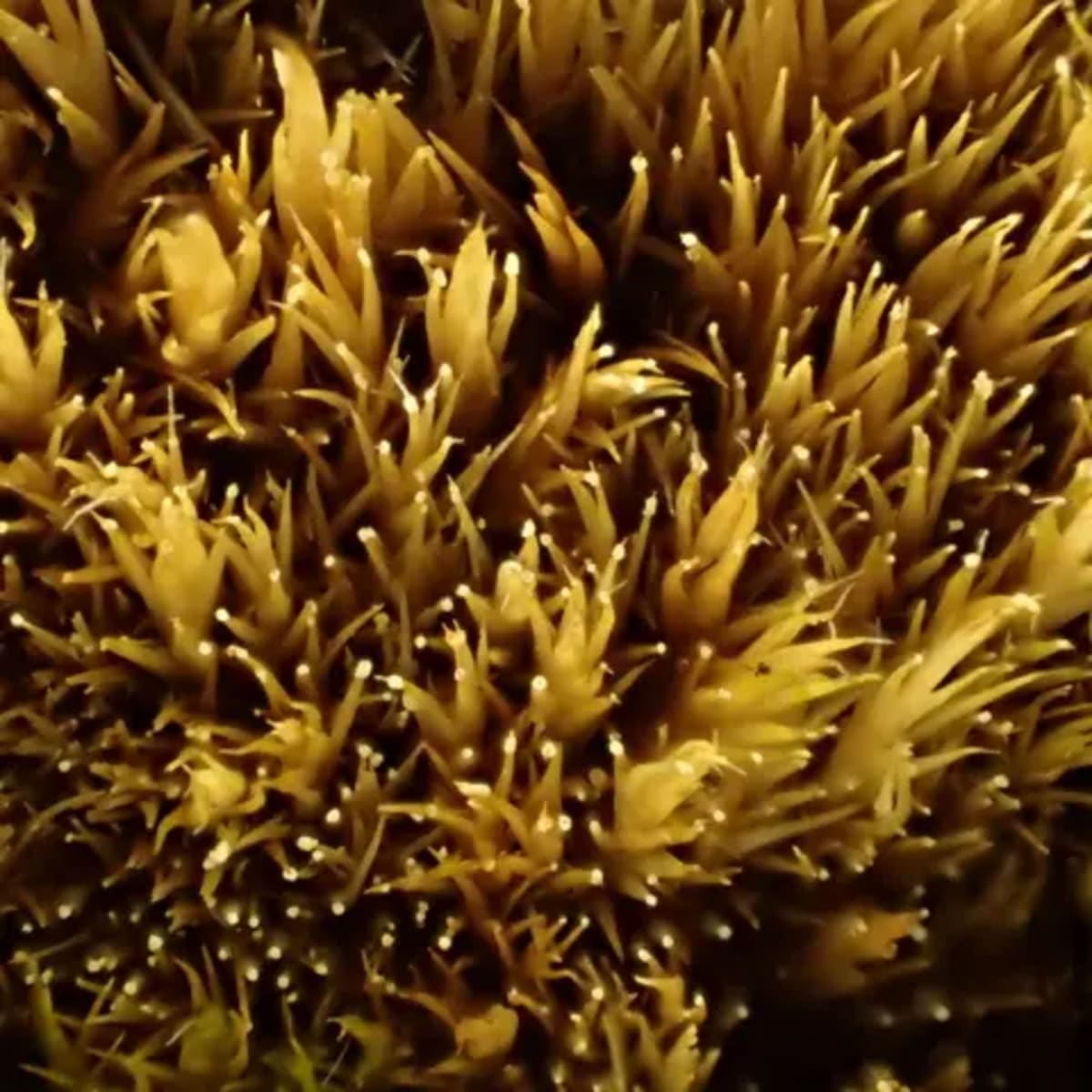
Dr. George Greiff, 30, discovered a completely new species of fungus that targets and destroys heath-star moss, an aggressive invader that has taken over UK hillsides, sand dunes, and rare habitats since the 1940s. Working with scientists across the UK and France, he identified the "moss die-back fungus" after years of detective work.
The heath-star moss arrived in Britain from the southern hemisphere about 80 years ago. By 1990, it had spread everywhere, even growing through tarmac. It crowds out native mosses that form the backbone of temperate rainforests and carbon-storing peatlands.
The new fungus creates what Greiff calls "fairy rings of death" across the Welsh countryside. When viewed under a microscope, white fungal blobs cling to moss stems and penetrate plant cells, killing the invasive species. Baby heather plants now grow in the gaps left behind.
Here's the best part: the fungus appears to target only the invasive heath-star moss and possibly one other species. Greiff believes it may be a native fungus that adapted to fight the invader, making this "a rare example of the British environment fighting back."
The discovery matters because controlling invasive species is usually expensive and labor-intensive. Think grey squirrels pushing out red squirrels, or Japanese knotweed damaging homes. Britain hosts around 2,000 non-native plants and animals, many brought accidentally or deliberately by humans.
The Bright Side
This fungus works as a free, natural solution. While humans feed contraceptives to grey squirrels and manually remove invasive plants at great cost, the moss die-back fungus does the work for us. It spreads naturally, targets precisely, and restores habitats without human intervention.
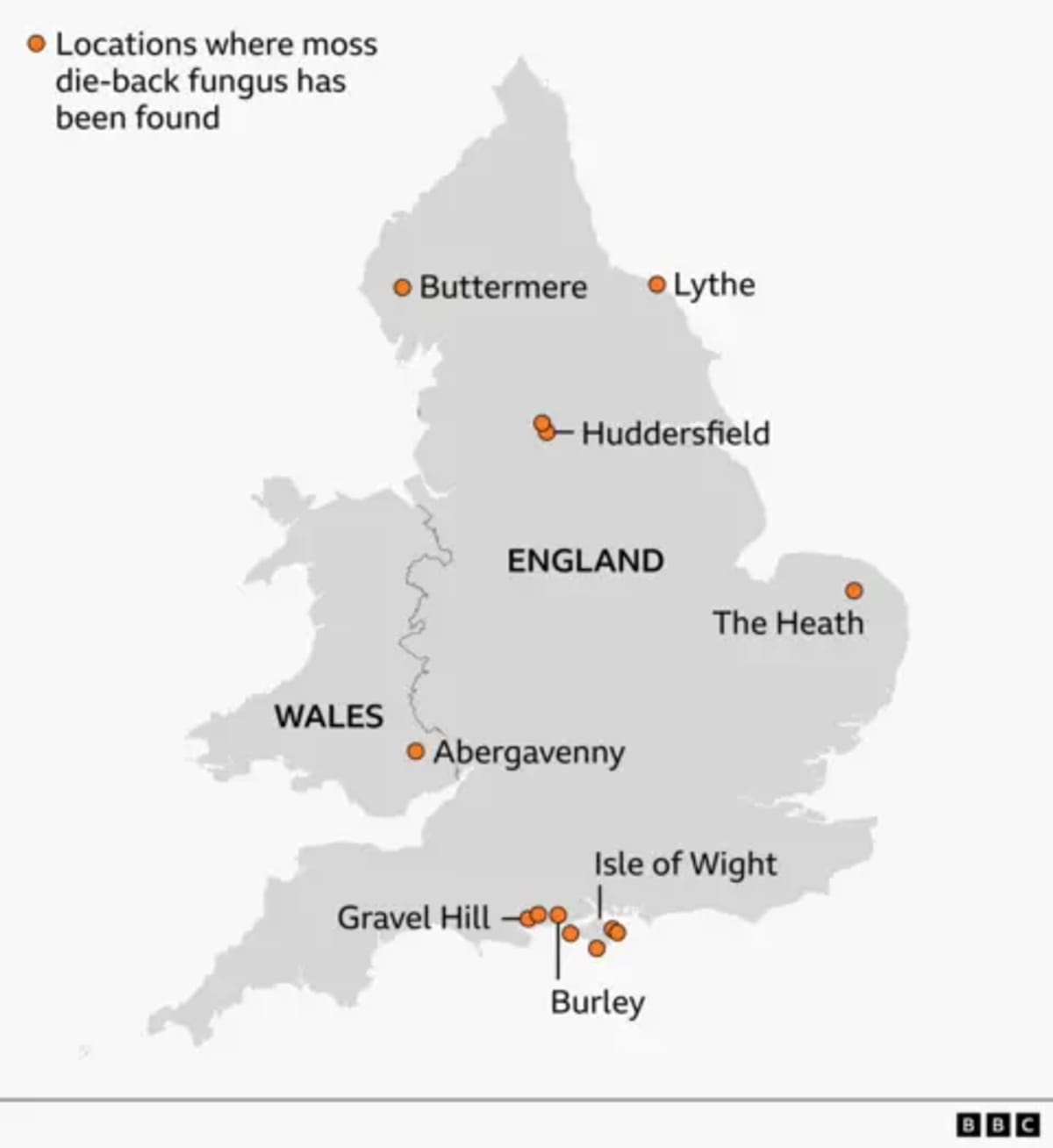
Greiff has tracked the fungus across England and Wales, joking that his discovery map doubles as his vacation itinerary. Under microscopes at Cardiff's Amgueddfa Cymru museum, he confirmed the fungus is related to ash die-back but behaves very differently.
Museum scientists are now examining dried moss samples dating back to the 1880s to pinpoint exactly when and how the fungus appeared. The research could reveal how ecosystems develop their own defenses against invasive species.
Native mosses that had gone locally extinct or nearly disappeared now have a chance to reclaim their territory. These tiny plants support entire ecosystems of insects, fungi, molluscs, and other species that depend on them.
Nature, it turns out, sometimes writes its own comeback stories.
More Images

Based on reporting by BBC Science
This story was written by BrightWire based on verified news reports.
Spread the positivity!
Share this good news with someone who needs it