New Graphene Method Could Transform Flexible Electronics
Scientists in South Korea have cracked a major puzzle in electronics, creating pristine graphene patterns smaller than a human hair without damaging the material. This breakthrough could finally bring us bendable screens and ultra-thin medical devices that actually work.
Imagine electronics so thin and flexible you could wrap them around your wrist or implant them safely in your body. That future just got closer thanks to a team at Chungnam National University.
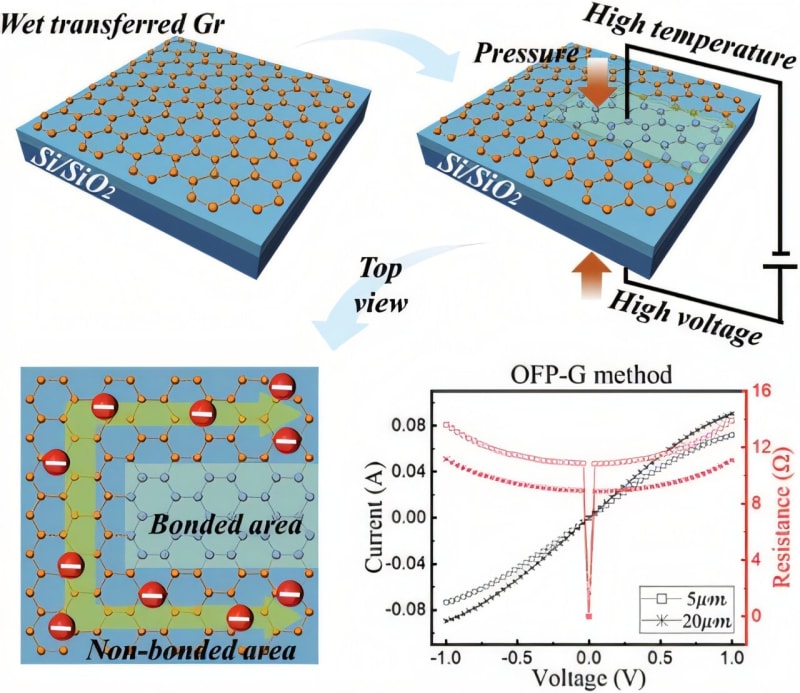
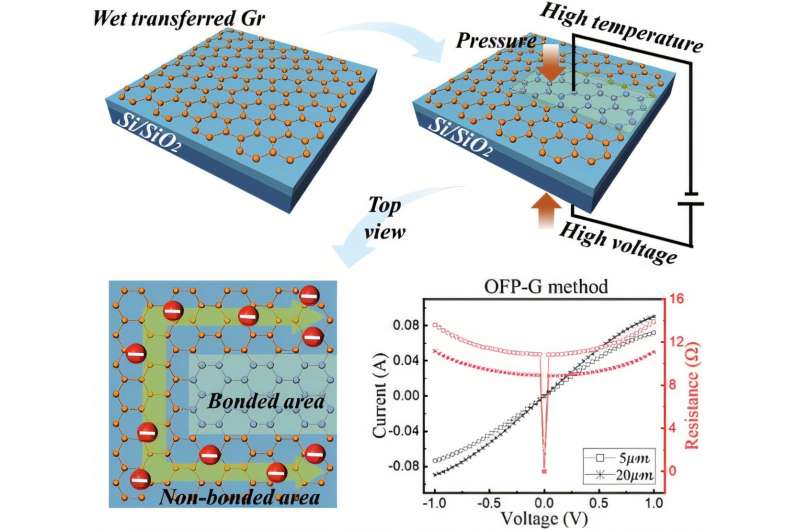
Professor Wonsuk Jung and his colleagues developed a new technique called OFP-G that creates incredibly tiny graphene circuits without any of the usual damage. Think of it like drawing with invisible ink instead of carving with a knife.
The breakthrough matters because graphene is basically a wonder material. This one-atom-thick sheet of carbon conducts electricity beautifully while staying completely transparent and flexible. The problem has always been creating precise patterns without wrecking those special properties in the process.
Traditional methods use harsh chemicals and etching processes that tear up graphene like sandpaper on silk. Jung's team found a completely different approach. They heat glass to 380 degrees Celsius until it becomes slightly conductive, then use an electrical charge to chemically modify only the graphene they want to change. Everything else stays perfect.
The results speak for themselves. The team created channels just 5 micrometers wide, thinner than a human hair, with exceptionally low electrical resistance. When they tested graphene patterned the old way, it barely conducted electricity at all. Their new method preserved the material's natural strength.
Why This Inspires
This isn't just about making better smartphones, though flexible screens would be nice. The real excitement comes from medical applications where cleanliness matters most.
Because the process avoids chemical residues entirely, these graphene patterns could work in biosensors that detect diseases early or neural interfaces that help paralyzed patients move again. Imagine medical implants so clean and flexible they feel like part of your own body.
The technique also works on large sheets of graphene in a single step, making it practical for actual manufacturing instead of just lab experiments. That's the difference between a cool science project and technology that changes lives.
Jung sees the bigger picture clearly. His method opens doors for graphene in healthcare devices, energy systems, and smart technology that bends with your life instead of breaking when you move.
The path from laboratory to living room always takes time, but this breakthrough removes a major roadblock that's frustrated engineers for years.
More Images
Based on reporting by Phys.org
This story was written by BrightWire based on verified news reports.
Spread the positivity!
Share this good news with someone who needs it