New Guidelines Help Stroke Survivors Recover Movement Faster
Researchers at UT Health San Antonio are revolutionizing stroke recovery by urging doctors to diagnose and treat painful muscle stiffness much earlier. This shift could help millions of stroke survivors walk, move, and reclaim their independence.
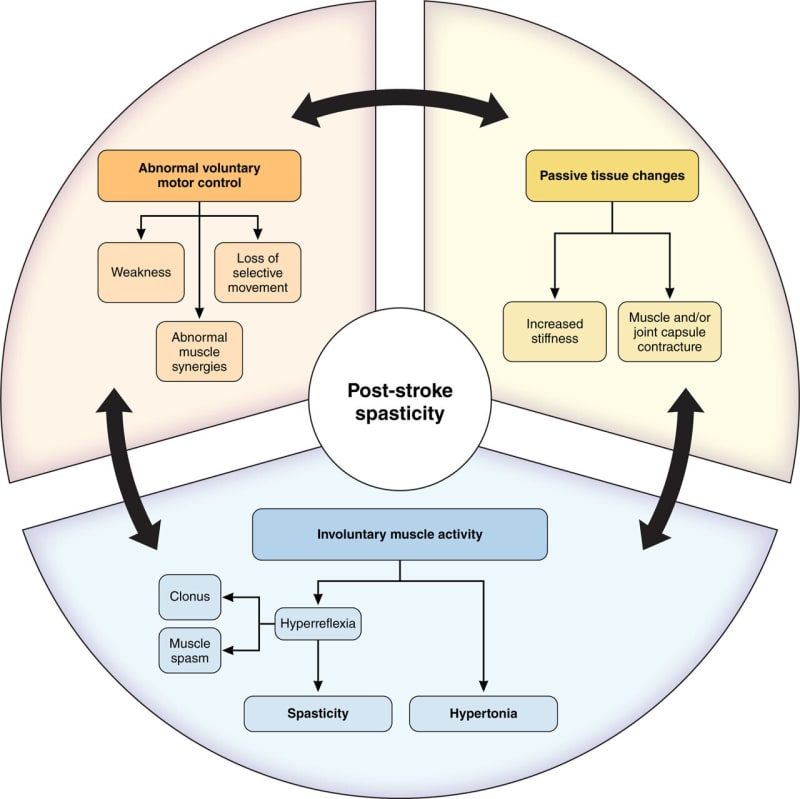
Many stroke survivors face a hidden obstacle to recovery that doctors have long dismissed as unavoidable: painful muscle stiffness and involuntary spasms that make simple movements nearly impossible.
Now, new guidelines from the American Heart Association are changing that mindset. Two researchers at UT Health San Antonio led a groundbreaking scientific statement urging doctors to recognize and treat post-stroke spasticity within the first three months after a stroke, not months or years later when muscles have already tightened.
Dr. Sujani Bandela, a neurologist at UT Health San Antonio, sees the impact every week. "I see patients whose recovery is limited not by the stroke itself, but by muscle stiffness and spasms that were never addressed early," she said.
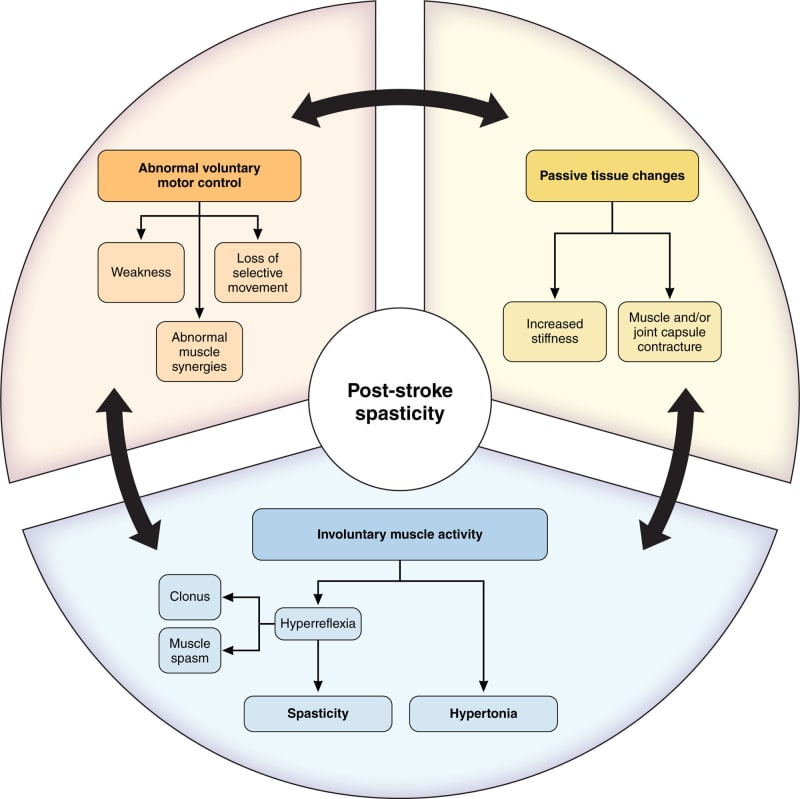
Post-stroke spasticity affects up to 80% of stroke survivors. The condition causes abnormal muscle tightness that interferes with walking, using your arms, getting dressed, and participating in rehabilitation exercises that could speed recovery.
When left untreated, it creates a vicious cycle. Patients struggle with pain and stiffness, which prevents them from doing therapy, which leads to more disability and loss of independence.
The new guidelines emphasize something simple but powerful: early recognition changes everything. When doctors identify and treat spasticity in those first crucial months, patients often preserve more movement, experience less pain, and stay engaged in their rehabilitation journey.
The Ripple Effect
The impact extends far beyond individual patients. Better spasticity care reduces healthcare costs, lightens the load on family caregivers, and prevents complications like joint contractures that can require additional surgeries.
The statement also addresses a critical gap in care. Many patients, especially those in rural areas and communities with fewer resources, receive delayed diagnosis or little rehabilitation support at all.
To bridge that gap, researchers recommend innovative solutions including telehealth consultations with specialists, proactive monitoring of high-risk patients, and coordinated care teams that bring together neurologists, physical therapists, and rehabilitation specialists.
"Advances in neuroscience, rehabilitation, and technology are giving us new tools to intervene earlier and more effectively after stroke," said Dr. Mark Goldberg, senior author of the statement and professor of neurology at UT Health San Antonio.
The timing matters especially now. Stroke survival rates are improving thanks to better emergency treatment, which means more people are living with the long-term effects of stroke. As Goldberg noted, "Stroke survivorship is increasing, but recovery is not equal for everyone."
The researchers presented their findings at the American Heart Association's International Stroke Conference 2026 in New Orleans, spreading the message to healthcare professionals nationwide.
For stroke survivors and their families, the message is clear: recovery doesn't have to stop at survival, and muscle stiffness doesn't have to be permanent.
More Images

Based on reporting by Medical Xpress
This story was written by BrightWire based on verified news reports.
Spread the positivity!
Share this good news with someone who needs it