New Gym Gear Could Cut Astronaut Workouts to 30 Minutes
British inventors tested space gym equipment that could slash astronaut exercise time from 2 hours to just 30 minutes daily. Olympic rower Matthew Wells helped test the device in weightless conditions above Earth.
An Olympic medalist just tested gym equipment that could change how astronauts stay fit in space, and the results look incredible.
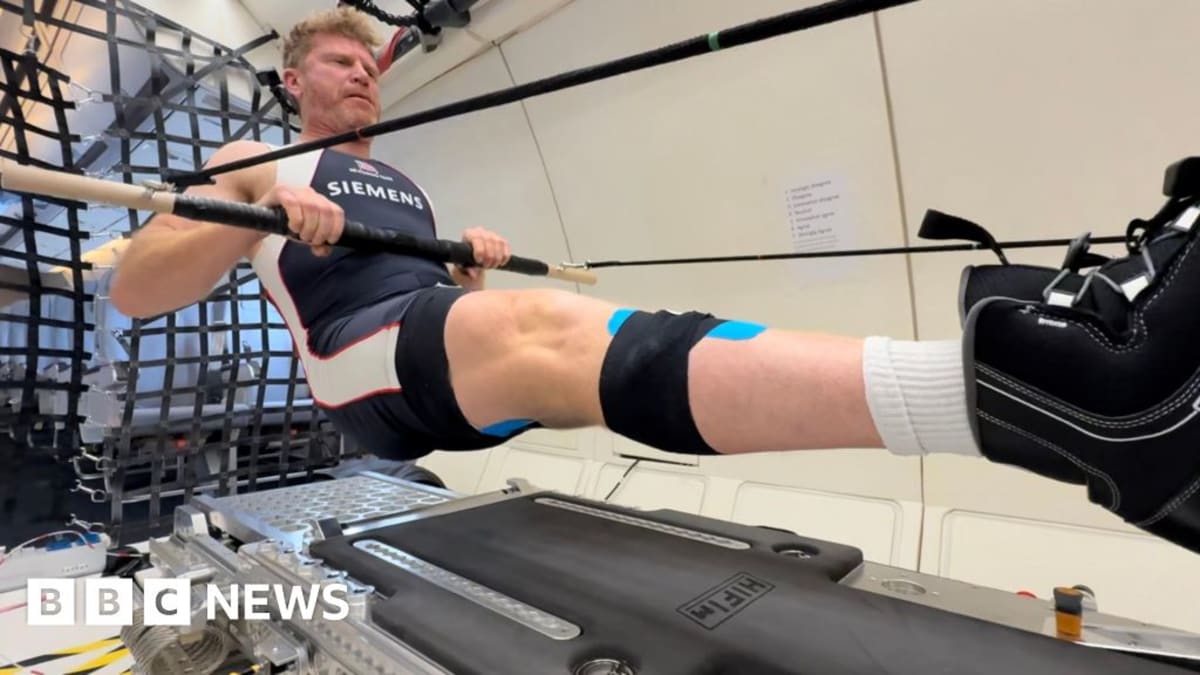
Matthew Wells, who won bronze at the Beijing Olympics, recently found himself rowing 28,000 feet above Earth as his body floated during 22 seconds of weightlessness. He was testing a British invention called HIFIm that could revolutionize astronaut fitness during future moon missions and space station stays.
Right now, astronauts on the International Space Station spend about two hours every single day exercising just to maintain their muscle mass and bone density. Without gravity, human bodies quickly weaken because muscles and bones aren't being loaded by natural forces.
The new device could cut that workout time down to just 30 minutes a day. That means astronauts would have an extra 90 minutes for scientific experiments that could lead to major breakthroughs back on Earth.
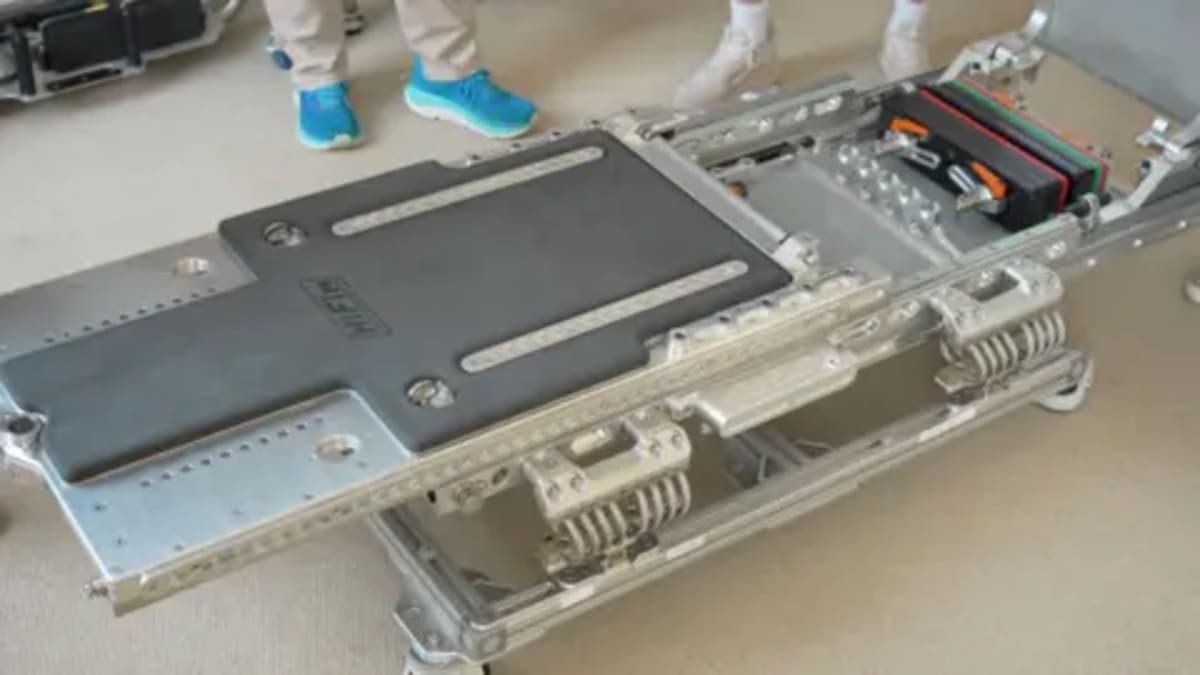
HIFIm works without electrical power and handles 300 different exercises despite being compact. Its inventor, John Kennett, designed it so vibrations stay isolated and won't interfere with delicate experiments or damage spacecraft structure.
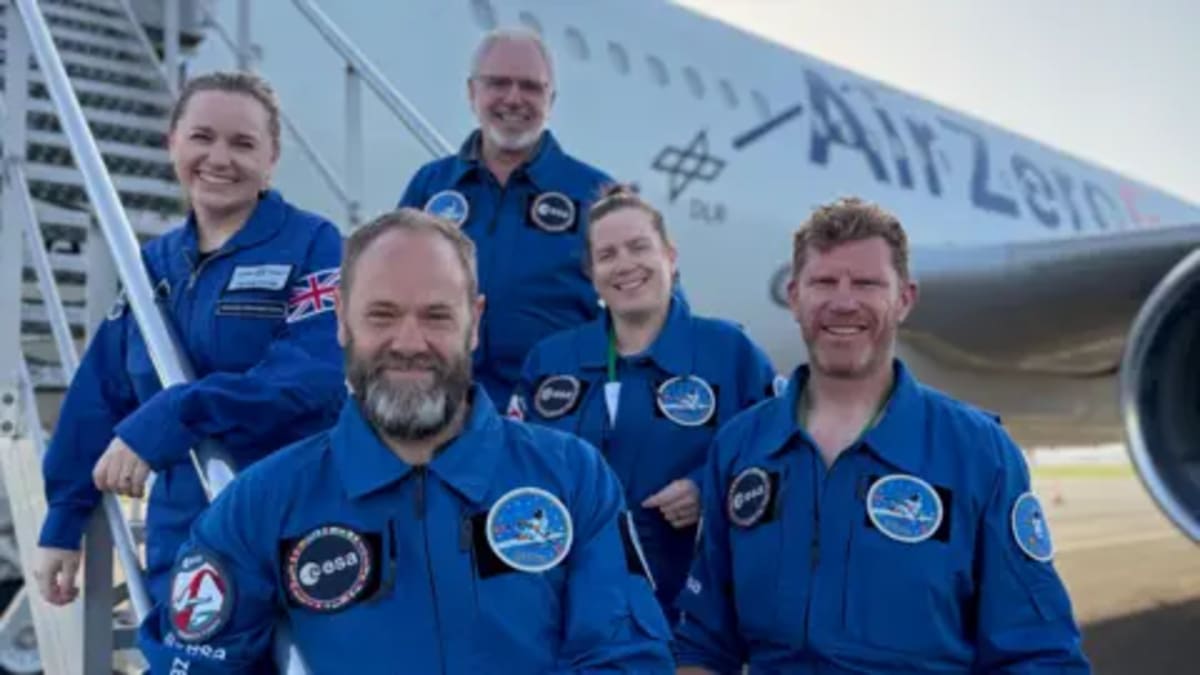
The testing happened on a special parabolic flight where a plane climbs and nose dives repeatedly to create space-like conditions. Dr. Meganne Christian, a reserve astronaut for the European Space Agency, says the 22-second windows gave researchers just enough time to gather crucial data.
The British equipment isn't alone in this race. The Danish Aerospace Company developed E4D, which offers four exercise modes including cycling and rowing, plus motion capture technology so astronauts can track their performance.
These devices are being developed for upcoming Artemis missions returning humans to the moon and the Gateway Space Station. NASA's recent Artemis II mission already carried a specially developed flywheel exercise device, proving space agencies recognize how vital next-generation fitness equipment is for astronaut health.
The Ripple Effect
This breakthrough extends far beyond space travel. The same technology helping astronauts stay fit in zero gravity could transform rehabilitation here on Earth for people recovering from injuries or illness.
Dr. Dan Cleather, professor of strength and conditioning at St Mary's University, built monitoring technology into HIFIm that tracks exactly how effectively someone exercises. That kind of precision feedback could help patients and athletes optimize their training.
Even the development team shows how innovation brings unexpected collaborations. Special effects engineers who worked on Star Wars, Mission Impossible, and James Bond films, including winning an Oscar for 1917, helped create HIFIm's components.
Wells says contributing to something that might end up in space feels "out of this world." The moment we're in for space exploration is truly exciting, with missions planned not just to visit the moon but to stay there permanently.
Thirty minutes of exercise instead of two hours means more time for the discoveries that could change life back on Earth.
More Images

Based on reporting by BBC Science
This story was written by BrightWire based on verified news reports.
Spread the positivity!
Share this good news with someone who needs it