New Heart Device Matches Medication for Stroke Prevention
A groundbreaking study shows that a small implanted device can protect atrial fibrillation patients from strokes just as well as daily medications. After three years, patients with the Watchman FLX device had equally safe outcomes while avoiding long-term blood thinners.
Millions of people with irregular heartbeats face a tough choice: take blood thinners forever or risk a stroke. Now a major study offers a third option that works just as well.
The CHAMPION-AF trial tracked over 3,000 patients with atrial fibrillation, a condition that puts them at high risk for strokes. Half received the Watchman FLX device, a tiny implant that seals off a heart chamber where dangerous clots form. The other half took daily oral anticoagulant medications.
After three years, both groups had similar rates of cardiovascular death, stroke, and blood clots. The device proved it could match medications at preventing the most serious outcomes.
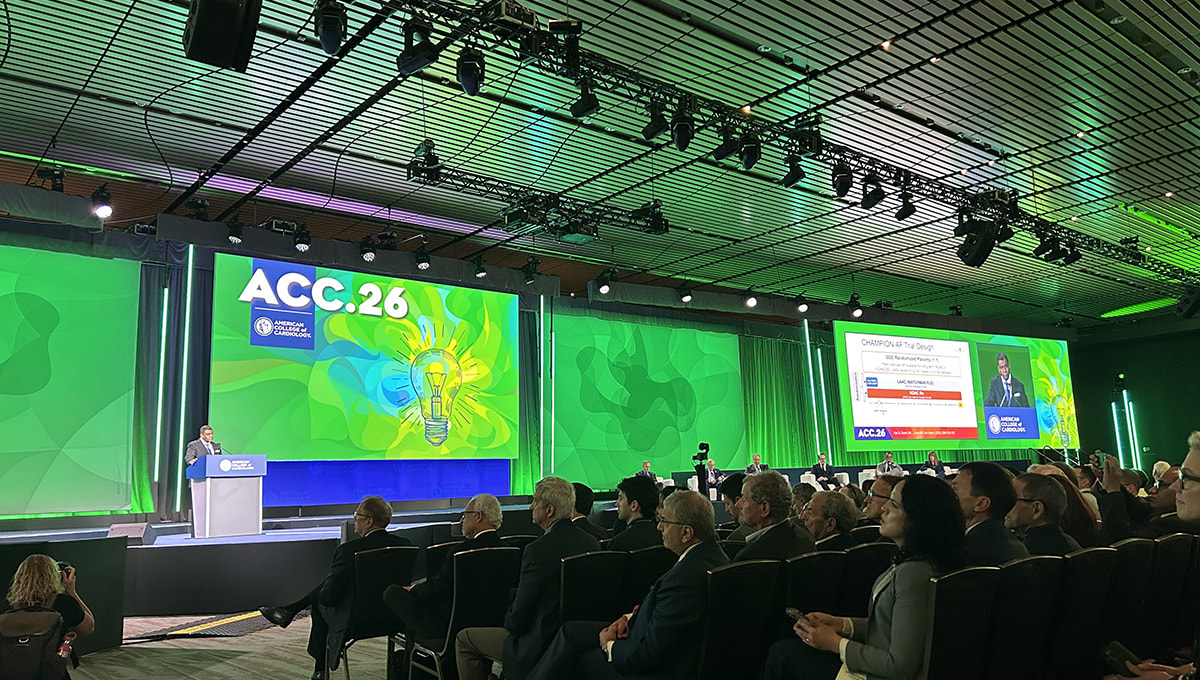
Dr. Saibal Kar presented the findings at the American College of Cardiology's 2026 conference in New Orleans. The results appeared simultaneously in the New England Journal of Medicine.
The Watchman FLX device gets implanted once through a catheter procedure. Patients need blood thinners only temporarily, then can stop the daily medications that many struggle to afford or remember to take.
Patients with the device had fewer non-procedure bleeding events over the three years. When accounting for bleeding during the initial implant procedure, overall serious bleeding rates matched those of patients on medications.
The Bright Side
This breakthrough means heart patients finally have real options tailored to their lives. Someone who travels frequently or dislikes daily pills can now choose a one-time procedure. Those who prefer avoiding surgery can stick with proven medications.
Dr. Benjamin Hibbert from Mayo Clinic called it "a win for patients." He noted that people can now sit with their cardiologist and discuss which approach fits their lifestyle and comfort level.
The choice matters for quality of life. Some patients may accept a small procedural risk to eliminate daily medications. Others feel more secure taking a pill than having a device implanted.
Both approaches now have solid evidence backing them. Neither is clearly superior, which actually empowers patients to make decisions based on their personal preferences and values.
The study included patients who were good candidates for long-term blood thinners, expanding treatment options beyond just those who couldn't tolerate medications. That broader eligibility means more people can benefit from choosing the path that works for them.
Cardiologists now have data to guide honest conversations about trade-offs, helping patients weigh a one-time procedure against years of daily pills.
More Images


Based on reporting by Google News - Health
This story was written by BrightWire based on verified news reports.
Spread the positivity!
Share this good news with someone who needs it