New Heart Guidelines Could Prevent Millions of Heart Attacks
Leading U.S. cardiologists just released updated cholesterol guidelines that shift focus to early screening and prevention, potentially transforming how we fight the nation's leading cause of death. The new approach targets heart disease before it starts, especially in young adults.
American cardiologists just unveiled new cholesterol guidelines that could prevent millions of heart attacks and strokes in the coming decades. The updated recommendations from the American College of Cardiology and the American Heart Association mark a major shift toward catching heart disease before it starts.
Heart disease kills more people worldwide than any other condition, with high cholesterol playing a starring role. For the first time, experts are pushing for earlier interventions and personalized risk assessments rather than waiting until problems develop.
"Shifting the paradigm toward proactive prevention strategies earlier in life can meaningfully change the trajectory of cardiovascular disease and lead to better health outcomes for people decades later," says Seth Martin, a cardiologist at Johns Hopkins Ciccarone Center for the Prevention of Cardiovascular Disease. The key word is "earlier."
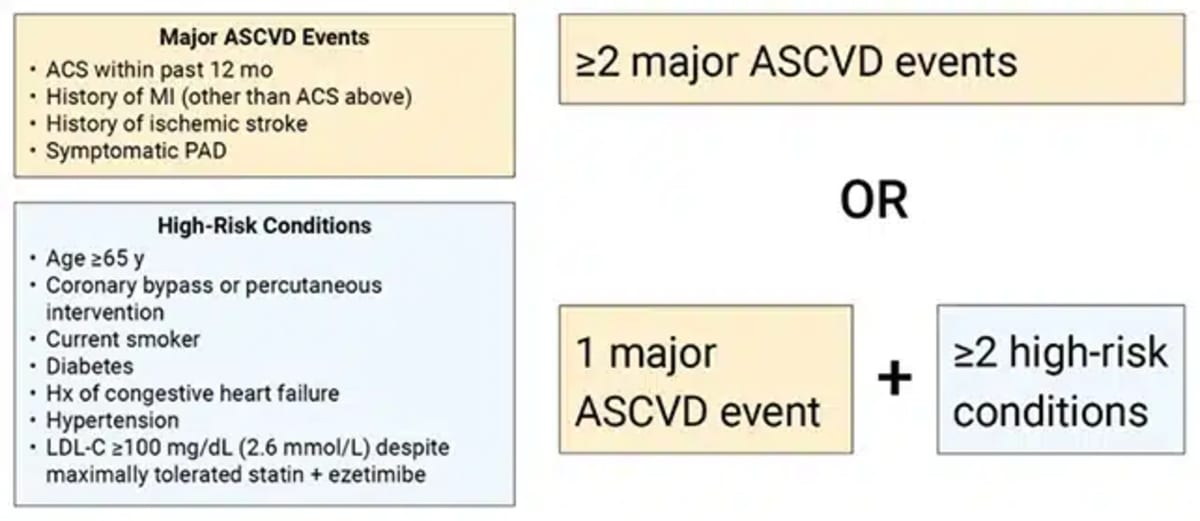
The guidelines now recommend screening high-risk groups, especially those with family histories of heart disease, at younger ages. Doctors can use new tools like PREVENT scores to estimate long-term heart disease risk based on multiple factors beyond just cholesterol numbers.
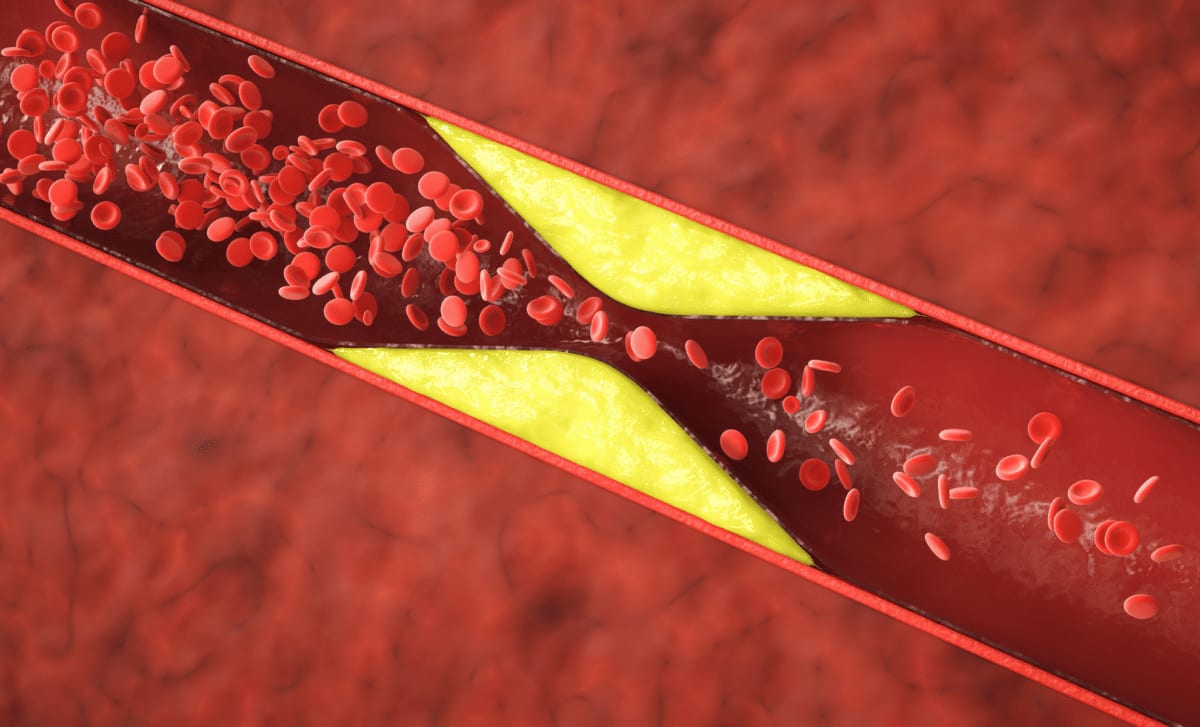
"Lower LDL cholesterol levels are better when it comes to reducing the risk of heart attacks, strokes, and congestive heart failure," explains Roger Blumenthal, also at Johns Hopkins. LDL, the "bad" cholesterol, builds up plaque in arteries that eventually causes blockages.
The new approach ditches the one-size-fits-all model. Instead, doctors now consider each patient's age, lifestyle, and family history to create personalized prevention plans.
While medications help many people manage cholesterol, the guidelines emphasize that lifestyle changes remain the foundation. Diet, exercise, quality sleep, and quitting smoking all work together to control cholesterol and improve overall heart health.
Why This Inspires
This shift represents something rare in modern medicine: a move toward preventing disease rather than just treating it. By addressing cholesterol issues during adolescence and young adulthood, doctors can help people avoid heart problems entirely.
"Taking action early in life is critical because high cholesterol begins to impact your heart disease risk even in adolescence," says Pamela Morris, a cardiologist at the Medical University of South Carolina. She stresses that teaching young adults about heart-healthy habits now will pay dividends for decades.
The guidelines also acknowledge that bringing down elevated cholesterol and blood pressure in young adults supports optimal heart health throughout a person's entire life. Small changes made at 25 can prevent a heart attack at 55.
Morris emphasizes that these guidelines only work if doctors actually use them: "Implementation of this important new guideline by clinicians will be critical to reduce the burden of cardiovascular disease in the future." The tools are here; now comes the real work of putting them into practice nationwide and saving lives before they're at risk.
More Images

Based on reporting by Google News - Health
This story was written by BrightWire based on verified news reports.
Spread the positivity!
Share this good news with someone who needs it