New 'Hell Heron' Dinosaur Found After 70-Year Hunt in Sahara
Scientists discovered a massive new Spinosaurus species in a remote Sahara location that hadn't been visited in over 70 years. The team assembled the skull using solar-powered computers in the middle of the desert.
A team of paleontologists just unveiled a stunning new dinosaur species after following a 70-year-old clue deep into the Sahara Desert. The discovery of Spinosaurus mirabilis proves that some of the best scientific adventures are still waiting to be written.
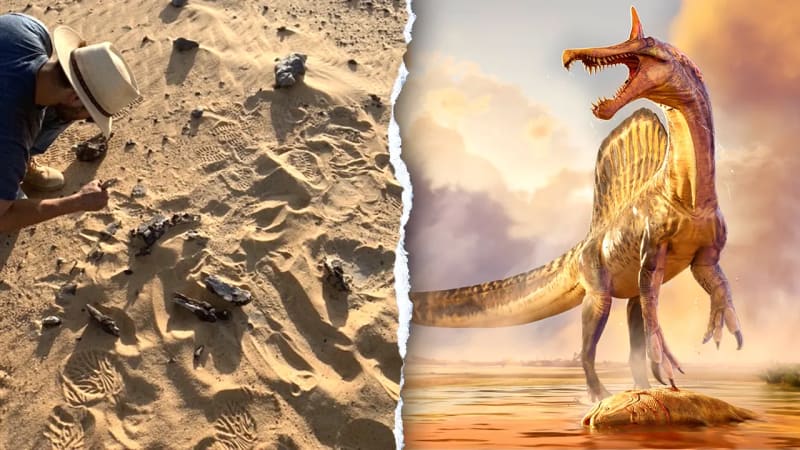
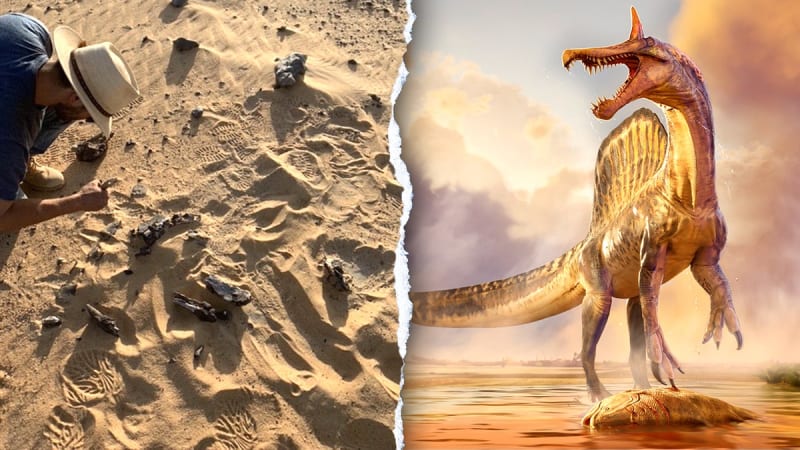
Professor Paul Sereno from the University of Chicago led his team to a remote fossil site in Niger called Jenguebi. A French geologist had described finding a mysterious tooth there decades ago, but no one had returned since.
The journey itself was an adventure. Sereno and his team wandered through sand seas with the help of a local guide, searching for the long-forgotten location. When they finally found it, they discovered something even better than they hoped.
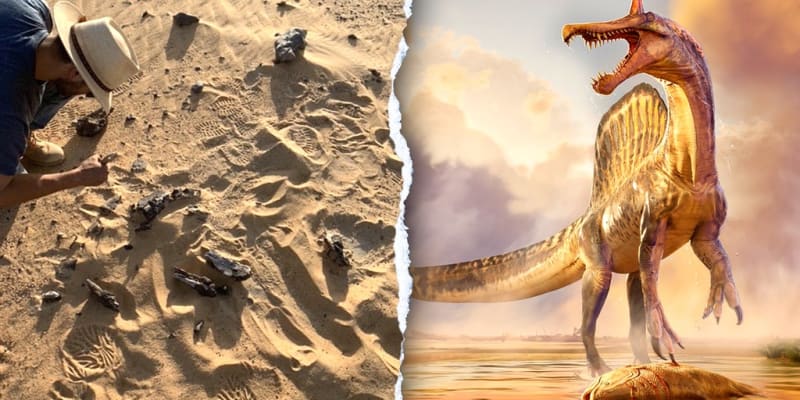
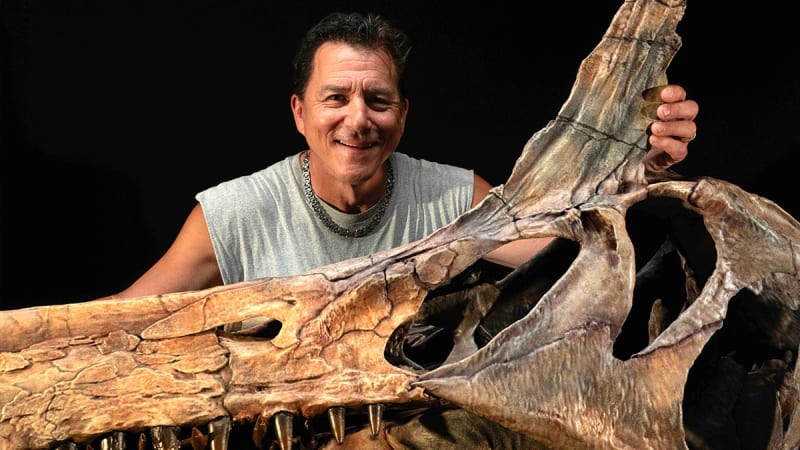
The dinosaur they unearthed lived 95 to 100 million years ago and rivaled the famous T. rex in size. Sereno nicknamed it a "hell heron" because it waded through shallow waters on sturdy legs, hunting for large fish. Despite living 600 miles inland from any ocean, this predator thrived in ancient waterways.
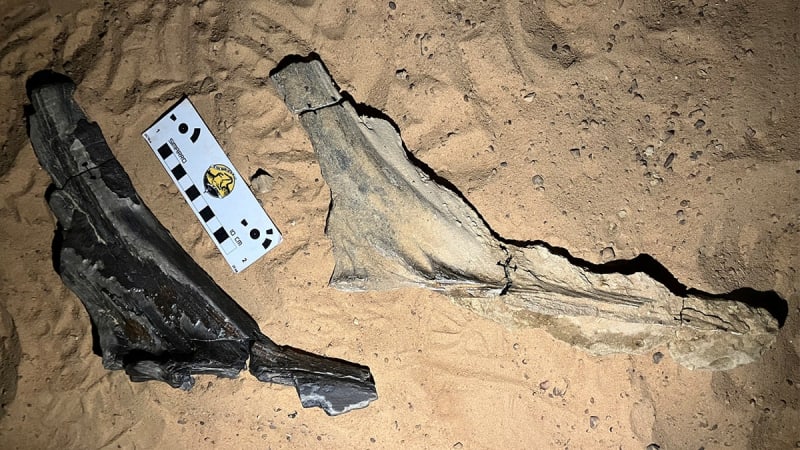
The team found jaw fragments in 2019 and two additional crests in 2022. Researchers believe the dinosaur's massive bony crest was brightly colored and covered in keratin, making it a striking sight in prehistoric waters.
One of the most remarkable moments came at their desert camp. The team crowded around a laptop, running on solar power in the middle of the Sahara, to view 3D digital models of the bones they'd found. Watching the skull come together for the first time left everyone emotional.
Why This Inspires
This discovery shows how persistence and curiosity can unlock secrets hidden for generations. Following a single clue from a 70-year-old monograph led to understanding an entirely new species that ruled ancient waterways.
The fossils will be displayed at the Museum of the River in Niamey, Niger, keeping this piece of natural heritage in its home country. A replica will also travel to the Chicago Children's Museum, where young visitors can touch the bones and feel the thrill of discovery themselves.
Sereno believes letting kids experience the excitement of new findings is essential for creating the next generation of scientists. These future explorers will uncover even more wonders about our planet worth protecting.
Sometimes the greatest discoveries require patience, a good detective story, and the courage to venture into uncharted sand seas.
More Images
Based on reporting by Fox News Travel
This story was written by BrightWire based on verified news reports.
Spread the positivity!
Share this good news with someone who needs it