New High-Dose Spinraza Approved for SMA Treatment
A stronger version of the first-ever SMA treatment just got FDA approval, offering hope for better results without added risk. Doctors say patients already taking the drug should consider switching to the new regimen. #
Families battling spinal muscular atrophy just got a powerful new option: a high-dose version of Spinraza that could deliver greater benefits without compromising safety.
The FDA approved the new regimen in March 2026, a decade after the original Spinraza became the first treatment proven to slow SMA progression. The European Union, Switzerland, and Japan have also greenlit the therapy.
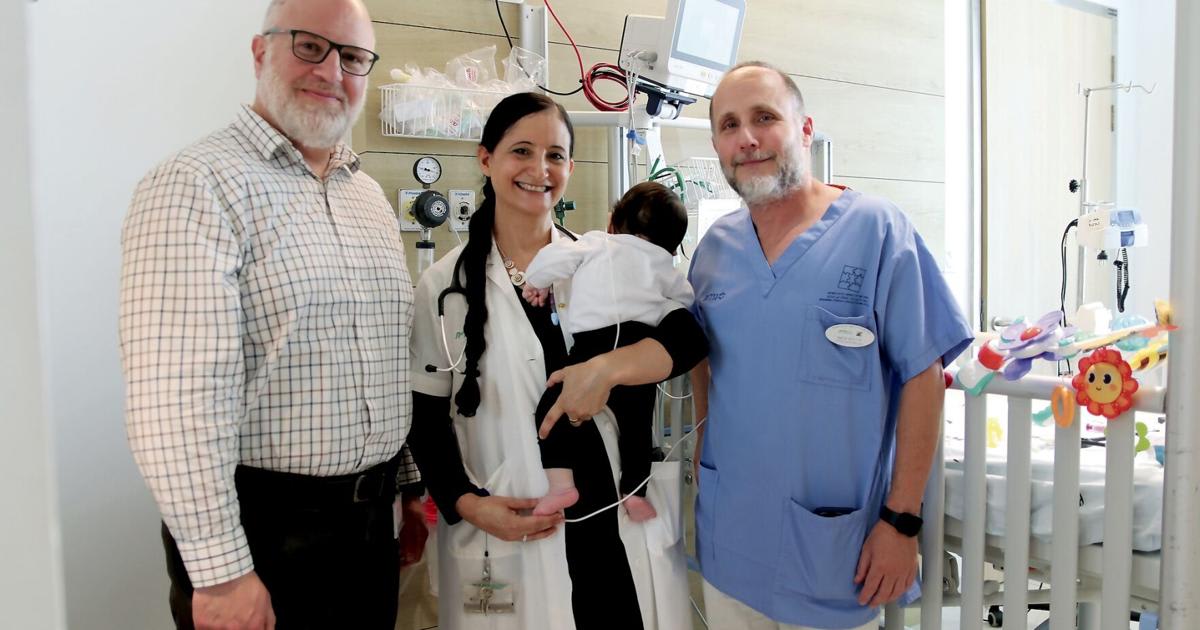
Dr. Richard Finkel, who directs experimental neurotherapeutics at St. Jude Children's Research Hospital, sees a strong case for patients to make the switch. "I don't see the rationale for keeping patients on the 12 mg regimen if there's potential to achieve more with the higher dose," he said.
The new regimen works smarter from the start. Infants beginning treatment receive just two 50 mg loading doses two weeks apart, then 28 mg maintenance doses every four months. The original schedule required four loading doses over two months, often under sedation.
For patients already taking Spinraza, switching is simple: one 50 mg dose at least four months after their last maintenance injection, then 28 mg doses every four months.
The approval leaned on data from the DEVOTE trial, which tested high-dose Spinraza in previously untreated children. After six months, babies showed an average 15.1-point improvement on a standard motor function scale. Untreated infants in an earlier study worsened by 11.1 points in the same timeframe.
"A 4-point increase reflects a clinically meaningful response," Finkel explained. "Achieving 15.1 points is significant both statistically and clinically."
Even better, patients were still improving at the 10-month mark, suggesting longer treatment could bring even greater gains.
Why This Inspires
This isn't just about a stronger dose. It's about doctors asking how they can do better for families already fighting hard enough.
The original Spinraza trials weren't designed to find the perfect dose, just to prove the treatment worked. Now, researchers are optimizing what already exists, squeezing every possible benefit from a therapy that's already transformed lives.
Follow-up studies showed patients switching from the original dose maintained stable or improved motor function with safety profiles matching what doctors already knew.
For families starting treatment today, fewer loading doses means fewer hospital visits and less time under sedation. For those already on Spinraza, the option to potentially gain more ground without added risk offers genuine hope.
A decade ago, SMA had no proven treatments. Today, doctors are fine-tuning therapies to help every patient reach their fullest potential.
#
More Images




Based on reporting by Google: new treatment approved
This story was written by BrightWire based on verified news reports.
Spread the positivity!
Share this good news with someone who needs it