New Home Gadget Turns Plastic Waste Into Recyclable Bricks
A California company has created a countertop machine that compresses unrecyclable plastic bags and packaging into dense bricks that can actually be recycled. While the $1,400 device shows promise for tackling plastic waste, questions remain about cost and long-term environmental impact.
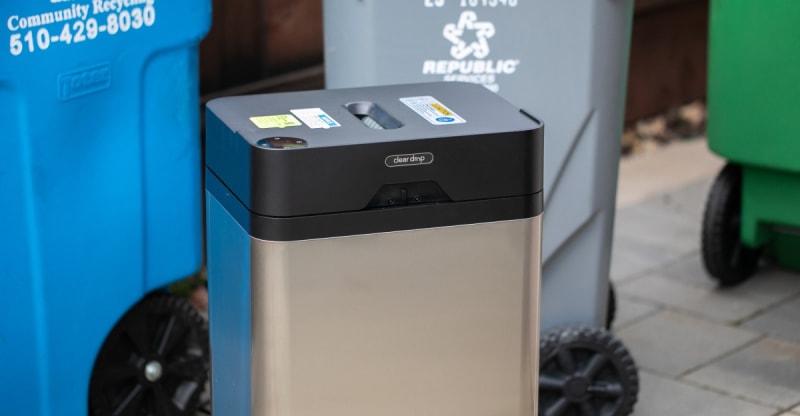
Plastic grocery bags, snack wrappers, and bubble wrap usually end up in landfills because they jam recycling equipment. But Clear Drop's new Soft Plastic Compactor offers families a way to keep that waste out of the trash.
The 27-inch countertop machine uses motorized rollers and heat to compress soft plastics into 3-pound bricks. Users feed in plastic bags, food packaging, and mailers throughout the month, and the device automatically compacts everything into a solid block that partner recyclers transform into products like plastic lumber and lawn edging.
The system works through a subscription model costing $50 monthly for two years, plus a $200 down payment. That price includes the machine, monthly prepaid shipping mailers, and a comprehensive warranty covering repairs and replacements.
Tech journalist Sean Hollister tested the device for over a month in his home. He found the setup refreshingly simple with no apps or Wi-Fi required, just plug and play. The machine safely handles most soft plastics, automatically stopping its rollers when it senses resistance.
The compactor addresses a real gap in home recycling. Most curbside programs reject soft plastics because individual bags tangle in sorting equipment, sending millions of tons to landfills annually. Clear Drop's partner, Frankfort Plastics, can process the compressed bricks without the jamming issues.
The Bright Side
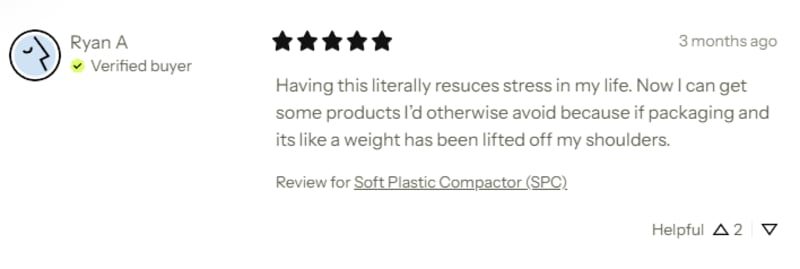
The device taps into growing consumer desire to reduce environmental impact. One verified buyer expressed relief at finally having a way to responsibly dispose of packaging from products they'd previously avoided buying.
The technology also tolerates real-world messiness. Recyclers can handle small amounts of contamination, and built-in magnets remove metal contaminants, so users don't need to perfectly sort every item.
Still, challenges remain. The high cost equals what many families pay for all waste services combined. After the two-year contract ends, users must pay $15 to $20 per shipping mailer, and Clear Drop currently has only one public recycling partner nationwide.
Environmental experts also caution that making plastic disposal easier could inadvertently encourage more single-use plastic consumption. The long-term sustainability depends on whether the bricks truly get recycled and whether the energy used in compression and shipping offsets landfill diversion benefits.
For families committed to reducing plastic waste and able to afford the investment, the Clear Drop offers a tangible way to act on environmental values. As recycling infrastructure evolves, innovations like this could help bridge the gap between household waste and industrial recycling capabilities.
More Images



Based on reporting by The Verge
This story was written by BrightWire based on verified news reports.
Spread the positivity!
Share this good news with someone who needs it