New HPV Cancer Vaccine Shows Promise in Mice Study
Scientists have developed a therapeutic vaccine that successfully fought HPV-related cancers in mice, offering hope for patients with advanced disease. Unlike current vaccines that only prevent infection, this treatment targets existing tumors.
A groundbreaking vaccine approach has shown the power to shrink tumors and extend survival in mice with HPV-related cancers, marking a major step toward treating patients whose disease has already progressed.
Researchers at Northwestern University and Flashpoint Therapeutics published their findings in Science Advances this week. The team engineered a therapeutic vaccine using spherical nucleic acid technology that trains the immune system to attack cancer cells.
The vaccine works differently from existing HPV shots. Current vaccines prevent infection before it starts, but this new approach is designed to treat active cancers already growing in the body.
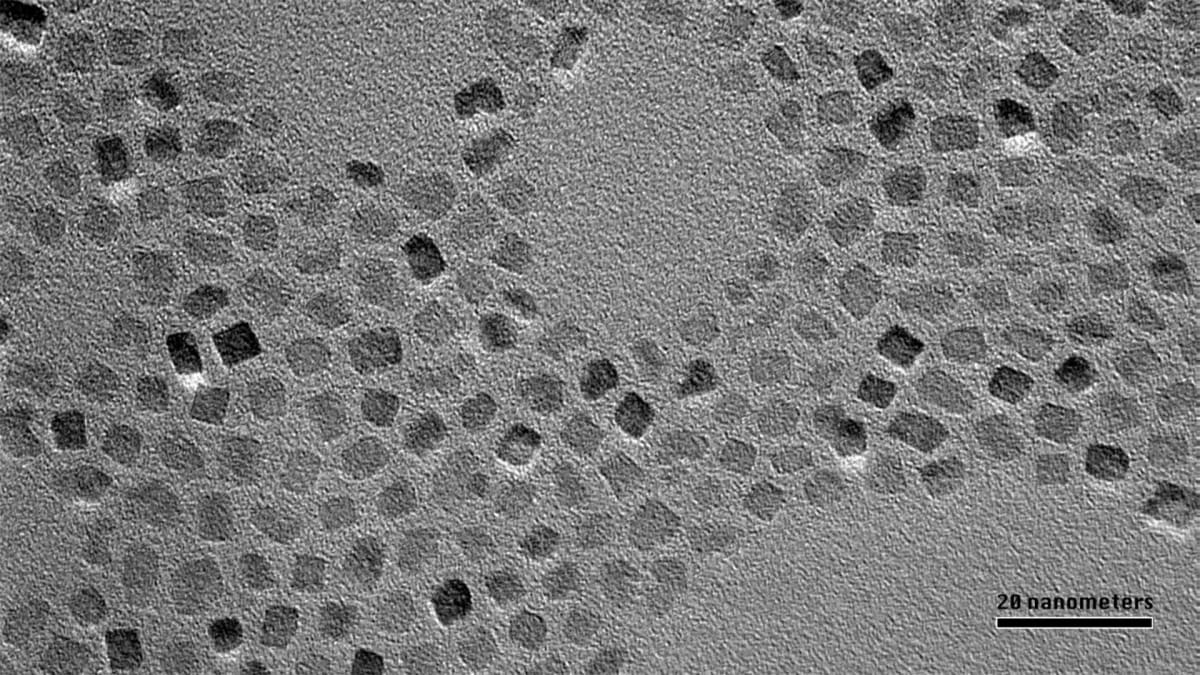
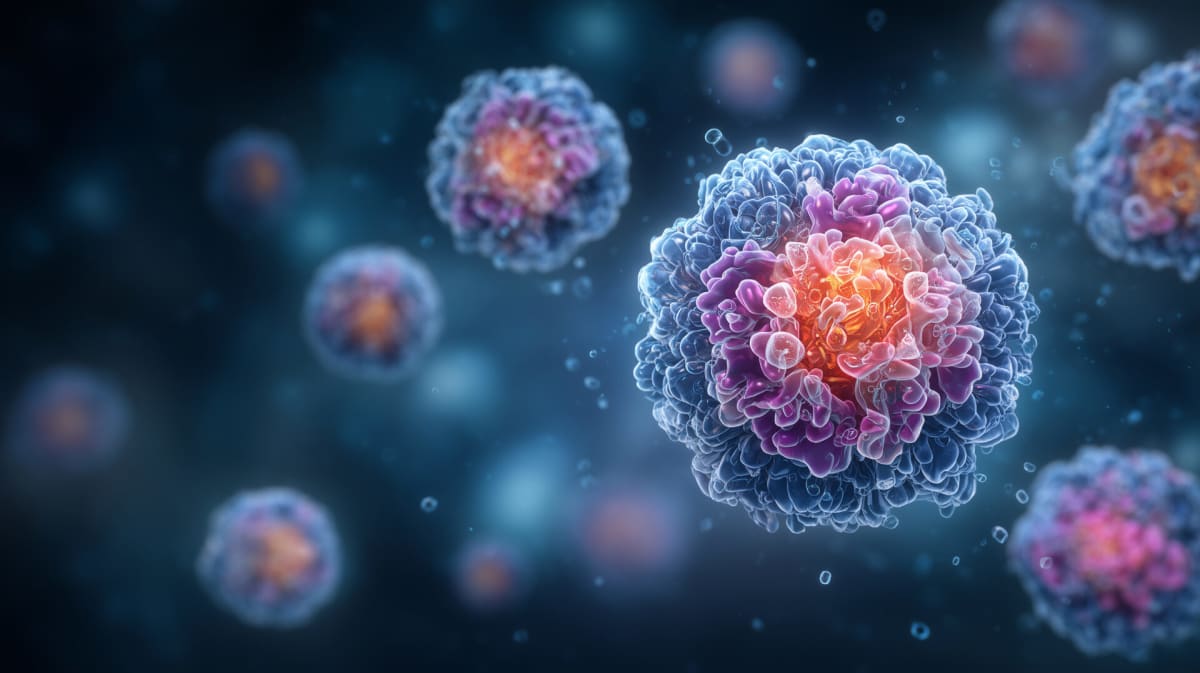
The secret lies in the vaccine's unique structure. Scientists attached both the cancer-fighting antigen and an immune-boosting adjuvant to the same tiny spherical scaffold, ensuring both components reach the same immune cells in the lymph nodes simultaneously.
That precision delivery matters enormously. When the antigen and adjuvant arrive together at the same cell, they generate a much stronger, more coordinated immune response than when delivered separately.
In humanized mice with HPV-positive tumors, the results were striking. The vaccine significantly slowed tumor growth and helped the animals live longer by generating powerful T-cell responses that specifically targeted cancer cells.
The timing couldn't be more important. HPV causes cervical, anal, and head and neck cancers, affecting thousands of patients each year who either weren't vaccinated or developed disease despite vaccination.
The Ripple Effect
This research validates an entirely new approach to cancer treatment called structural nanomedicine. By precisely engineering how therapeutic components are arranged at the molecular level, scientists can create biological responses that far exceed conventional delivery methods.
The technology platform could extend beyond HPV cancers. The same structural approach might work for other cancer types, potentially opening doors for personalized cancer vaccines tailored to individual tumors.
Flashpoint Therapeutics holds over 150 patents covering this technology and has partnered with research institutions in Saudi Arabia to advance clinical trials. The company's modular platform can deliver various therapeutic components, including mRNA, proteins, and gene editing tools.
The road from mice to humans remains long, requiring safety studies and clinical trials. But these preclinical results offer genuine hope for patients facing advanced HPV-related cancers with limited treatment options.
Based on reporting by Google News - Vaccine Success
This story was written by BrightWire based on verified news reports.
Spread the positivity!
Share this good news with someone who needs it