New Hunter Syndrome Drug Offers Hope to 500 U.S. Families
After 20 years, the FDA approved the first treatment for Hunter syndrome that can prevent brain damage in children. For families watching their kids lose the ability to speak and walk, it's a breakthrough they feared would never come.
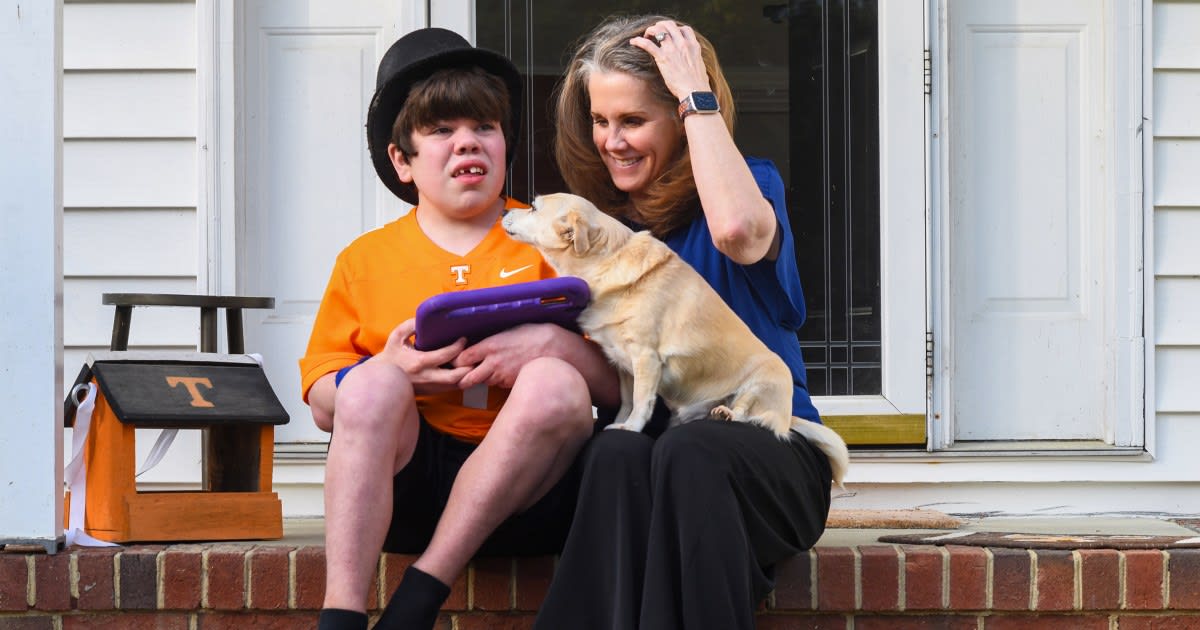
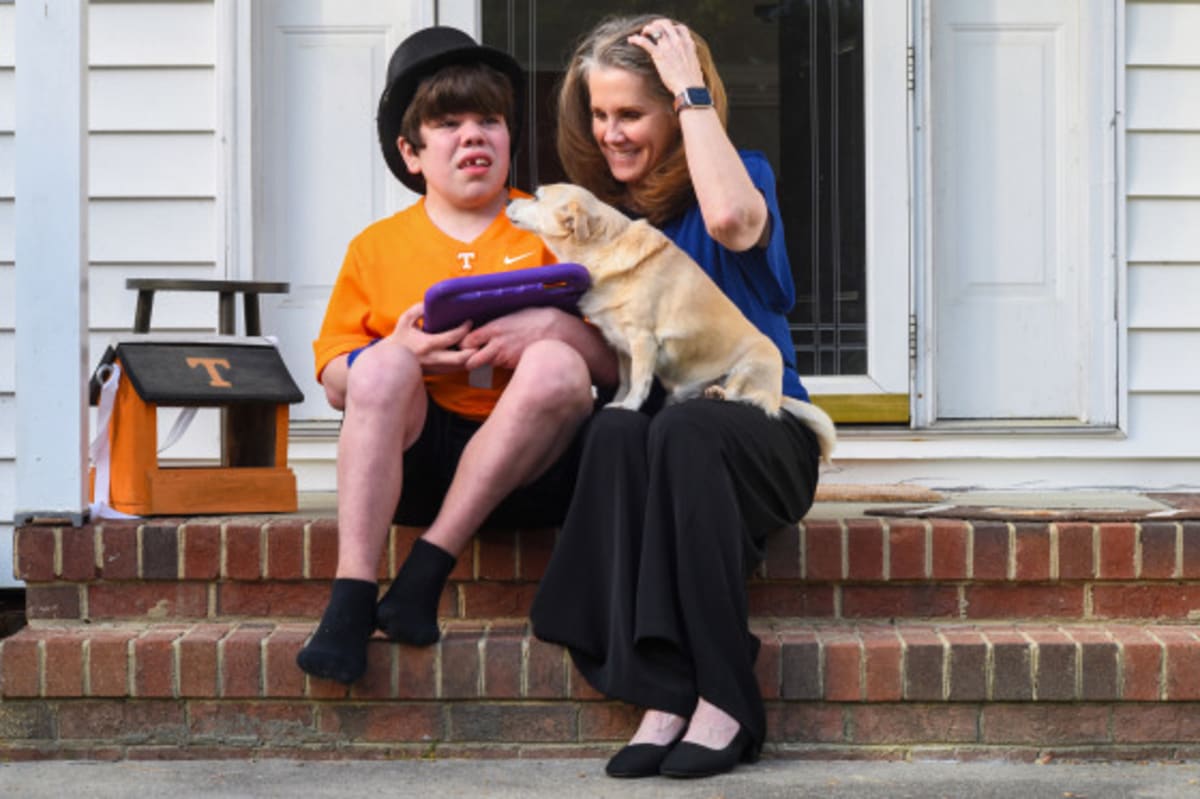
For 13 years, Kim Stephens has watched her son Cole slip away. The North Carolina teenager stopped speaking at 9 years old, and his mom lives in constant fear he won't reach his 21st birthday.
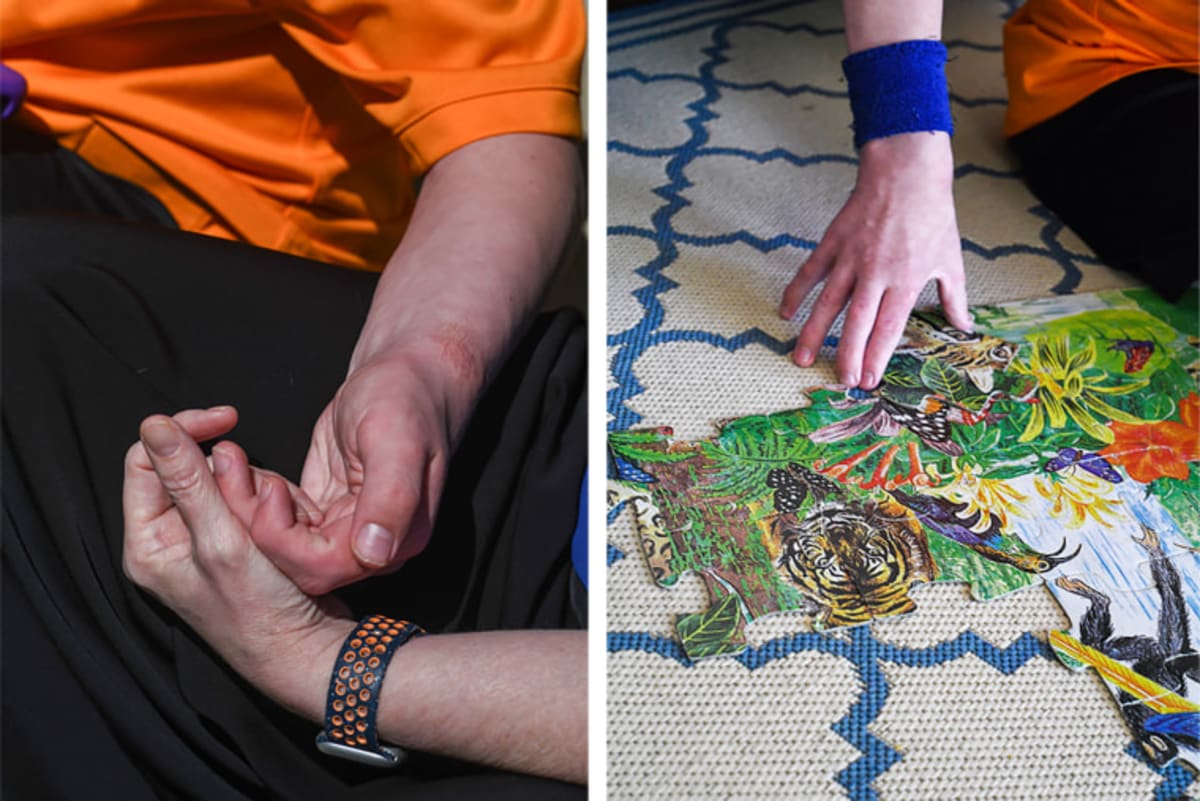
Cole has Hunter syndrome, a rare genetic disorder that kills most patients before adulthood. His body can't break down certain molecules, so toxins build up and destroy his organs and brain.
Last week, the FDA approved a revolutionary new drug that gave Stephens something she thought she'd never have: hope. "I've been in fight-or-flight mode since his diagnosis," she said. "Now I can breathe."
The new treatment, called Avlayah, is the first FDA-approved drug for Hunter syndrome in 20 years. More importantly, it's the first one that can cross the blood-brain barrier to prevent the devastating cognitive decline that steals children's minds.
About 500 people in the U.S. have Hunter syndrome, nearly all boys. The current standard treatment only slows physical symptoms. Kids still lose their ability to speak, walk, and recognize their own parents.
Avlayah can't reverse damage that's already happened. But for children treated early, the possibilities are enormous. After 24 weeks in clinical trials, 93% of kids had biomarker levels comparable to children without the disease.
Dr. Joseph Muenzer, who runs a rare disease center at UNC Chapel Hill, has watched too many families endure this nightmare. "If we take a child very young and can treat them prior to damage, now the potential is almost unlimited," he said.
Why This Inspires
Six-year-old Roran Jaskulski can't speak, but his mother Kylie knows what he's worth. He runs excitedly into school each day and loves to cuddle while falling asleep. "He brings so much joy," she said. "He brings happiness and peace to every person he interacts with."
For Kylie, the diagnosis felt devastating. But watching Roran deteriorate without being able to help felt worse. The FDA approval means more than just a new treatment. It means someone decided her nonverbal son's life is worth saving.
The approval comes after months of FDA rejections for rare disease treatments, prompting patient advocates to stage a mock funeral outside agency headquarters. Families had lost faith that regulators cared about small patient populations.
FDA Commissioner Dr. Marty Makary called the Avlayah approval "a milestone day for children and their families battling Hunter syndrome." He promised the agency will "continue to do everything we can to accelerate treatments for rare diseases."
Dr. Muenzer, who helped lead the clinical trial, agrees these children deserve that commitment. "These are terrible disorders," he said. "Just because they're a minority doesn't mean we should ignore them."
For Kim Stephens and hundreds of other parents, the wait is finally over.
More Images

Based on reporting by Google News - New Treatment
This story was written by BrightWire based on verified news reports.
Spread the positivity!
Share this good news with someone who needs it