New Hunter Syndrome Treatment Shows Promise at UNC
Children with a rare genetic disorder are developing normally thanks to an enzyme therapy crossing the blood-brain barrier. The FDA could approve the treatment this spring, offering hope to families worldwide.
A mom in Carrboro, North Carolina, is working alongside the doctor who saved her son's life to bring hope to families facing one of the rarest and most heartbreaking diagnoses imaginable.
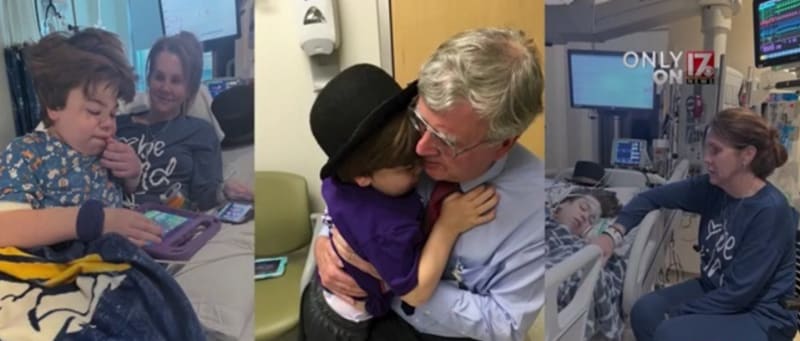
Cole Mausolf is 15 years old and loves putting together floor puzzles. For most teens, puzzles are just a pastime, but for Cole's mom Kim Stephens, every completed puzzle is proof that her son is still here, still capable, still fighting.
Cole has Hunter Syndrome, a rare genetic disorder that steals abilities instead of building them. The boy who once sang constantly and read simple words gradually lost his speech. By age eight, he could only say "Help" and "Mommy." Then one day, even those words disappeared.
Most children with Hunter Syndrome don't survive their teenage years. They typically need feeding tubes and breathing assistance, lose the ability to walk, and pass away young. Cole's peers from his early treatment days have either died or are close to it.
But Cole is different. He's still walking, still communicating through gestures, still living a quality of life that seemed impossible when he was first diagnosed. His mom credits Dr. Joseph Muenzer, a world-renowned geneticist at UNC Health who got Cole into a clinical trial years ago.
The trial tested an investigational therapy that Stephens believes slowed Cole's decline dramatically. While that specific drug never received FDA approval, Cole still receives it, and Dr. Muenzer has been researching an even more promising treatment.
The new enzyme replacement therapy crosses the blood-brain barrier, something earlier treatments couldn't do. Children with Hunter Syndrome lack an enzyme that removes sugar molecules from cells, causing toxic buildup in the body and brain. This new therapy delivers that missing enzyme directly where it's needed most.
The results are remarkable. Children diagnosed and treated early are now developing normally, their brains protected from the toxic compounds that would otherwise cause devastating damage.
Why This Inspires
The FDA is expected to decide on approving this enzyme therapy this spring. If approved, it could transform Hunter Syndrome from a death sentence into a manageable condition for children diagnosed early.
Stephens, who holds a doctorate in business administration, now serves as executive director of the Muenzer MPS Research and Treatment Center in Chapel Hill. It's the only center in the United States dedicated solely to mucopolysaccharidoses disorders. Families travel from across the country and around the world to receive care there.
Her work gives her purpose beyond Cole's own journey. She supports families reeling from devastating diagnoses, offering the perspective that only comes from living through it herself. She knows the grief of watching your imagined future disappear, the struggle to find joy in a completely different life than you planned.
But she also knows those moments of joy are real and worth fighting for. Through her work at the center, she's helping ensure that future families might not have to watch their children lose skills and face early death. They might instead watch them grow, learn, and thrive.
Dr. Muenzer remains hopeful that this therapy will reach the children who need it most, and his optimism is grounded in real results he's already seeing in young patients.
More Images



Based on reporting by Google News - New Treatment
This story was written by BrightWire based on verified news reports.
Spread the positivity!
Share this good news with someone who needs it