New Hybrid Model Scales Reforestation in Ghana and Beyond
A reforestation company just switched from pure profit to a hybrid nonprofit model that's helping entire countries plant native forests faster. Ghana is leading the way with a plan to restore 4.5 million hectares by bringing communities, governments, and local developers together.
When Silicon Valley executive Yishan Wong launched Terraformation in 2020, he knew planting trees wasn't enough. Four years later, the company made a bold shift that's changing how the world tackles reforestation.
Terraformation just transformed into a hybrid organization, mixing for-profit carbon projects with nonprofit capacity building. The move came after President Jad Daley told founder Wong that private money alone couldn't scale fast enough to meet the planet's needs.
The new model works like this: commercial projects fund themselves through carbon markets, while philanthropic dollars support the infrastructure everyone needs. That includes off-grid seed banks made from shipping containers, digital tracking software, and training programs for local developers.
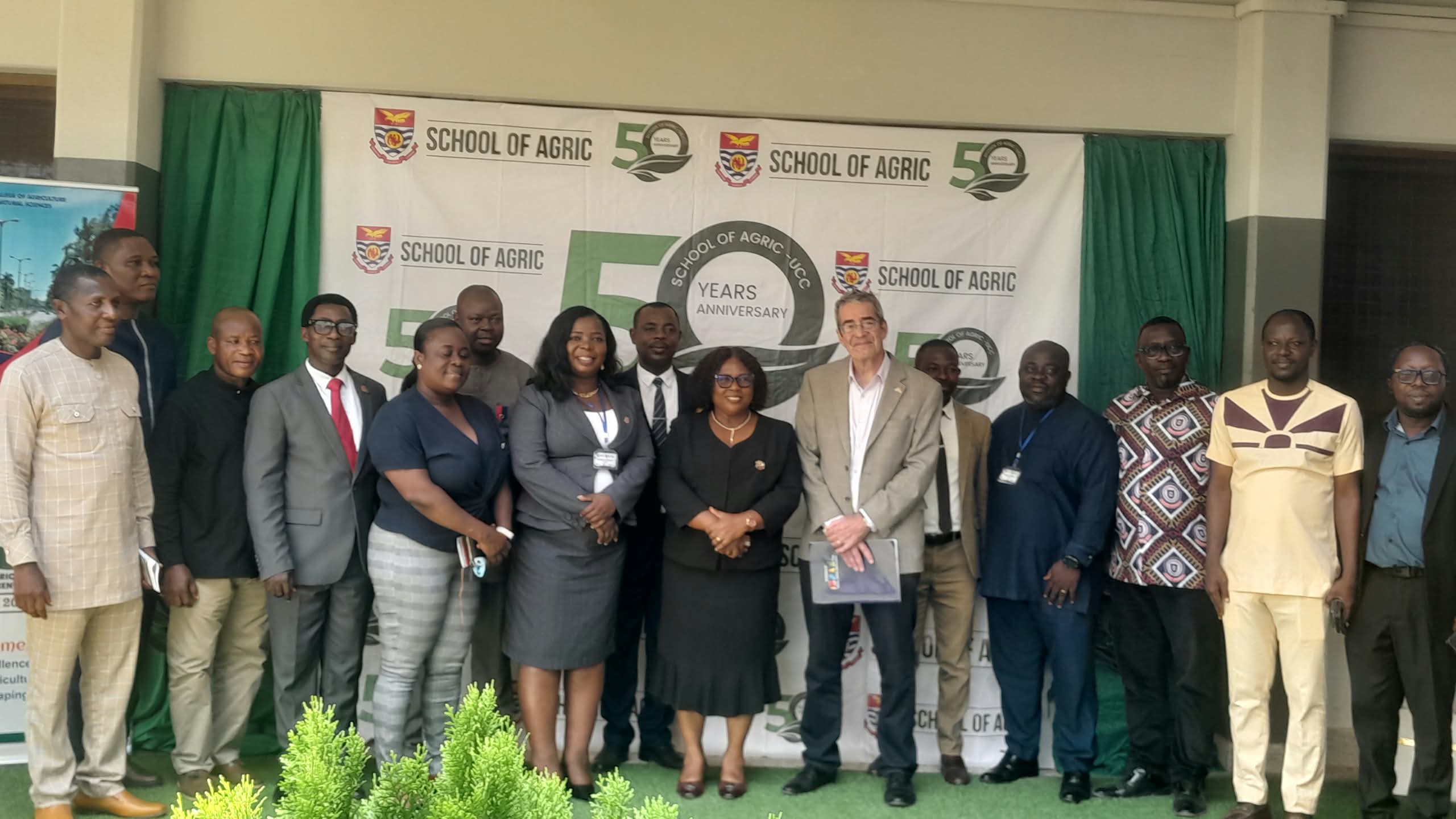
Ghana became the first country to adopt Terraformation's platform approach. Instead of scattered projects competing for resources, the government now coordinates all partners under one unified plan to restore 4.5 million hectares by 2040.
"We're all here ultimately to reforest the whole country," Daley explains. The platform brings partners into a single coalition, removes legal roadblocks, and trains developers nationwide to participate.
The company's Seed to Forest Accelerator teaches local teams technical skills and business planning. These training programs solve a major problem: early-stage restoration projects often can't access long-term funding because they lack professional capacity.
The Ripple Effect
The results go far beyond trees. Terraformation's projects now include five to ten times more native species than typical commercial forestry, with some sites planting 28 different species. That diversity helps forests survive extreme weather as climate patterns shift.
Local communities stay central to every project. "If I go back and the community leaders say the work got done but we're not happy, then we failed," says Daley. Projects create jobs, protect biodiversity, and strengthen climate resilience in regions that need it most.
The hybrid structure unlocks "essentially new money to the movement" by attracting both private investors and donors. Commercial revenue funds expansion while nonprofit work builds the foundation everyone needs to succeed.
Other countries are now watching Ghana's platform model. The approach proves that reforestation can scale when governments, communities, and developers work from one playbook instead of competing for the same resources.
What started as a Silicon Valley startup is becoming a blueprint for how the world can restore forests at the speed and scale climate change demands.
More Images

Based on reporting by Google News - Reforestation
This story was written by BrightWire based on verified news reports.
Play Today’s BrightWire Positive Mini Crossword & Word Game
Keep your mind sharp with our free 5-minute uplifting daily crossword and positivity word puzzle.
Spread the positivity!
Share this good news with someone who needs it