New Hydrogen Sensor Works Better in Humid Conditions
Scientists at Chalmers University in Sweden just solved a major safety problem holding back clean hydrogen energy. Their new sensor actually gets more effective as humidity increases, flipping a longstanding industry challenge on its head.
Hydrogen is powering more vehicles, ships, and green steel plants every day, but there's been a frustrating catch: the safety sensors designed to detect dangerous leaks haven't worked well in humid conditions. That's a problem because wherever you find hydrogen, you almost always find moisture.
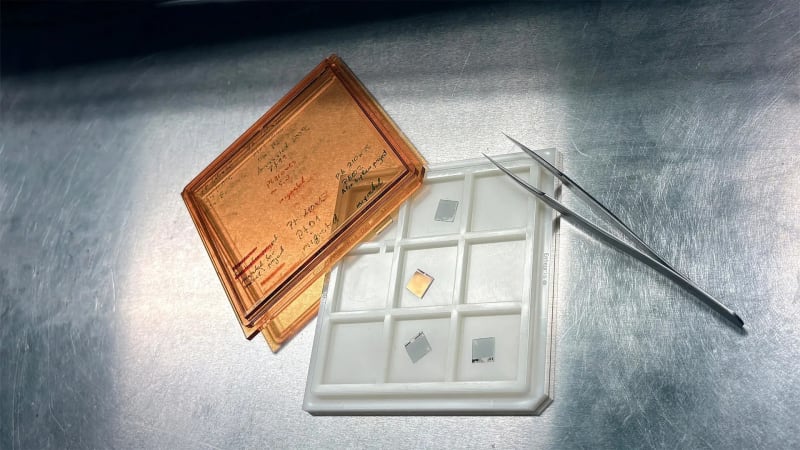
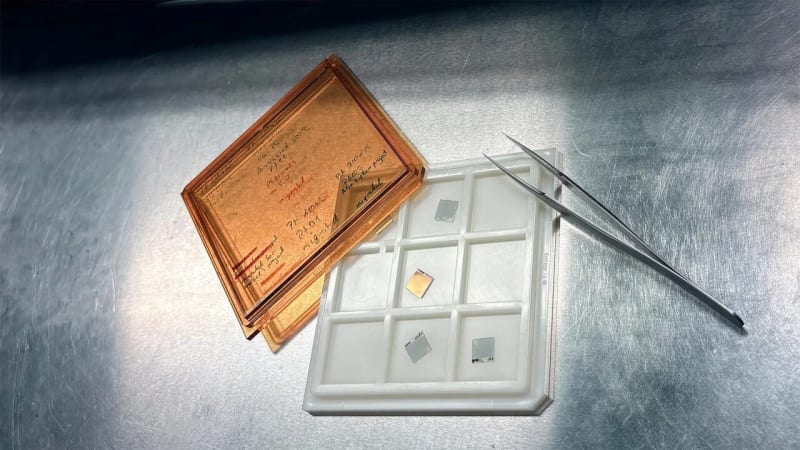
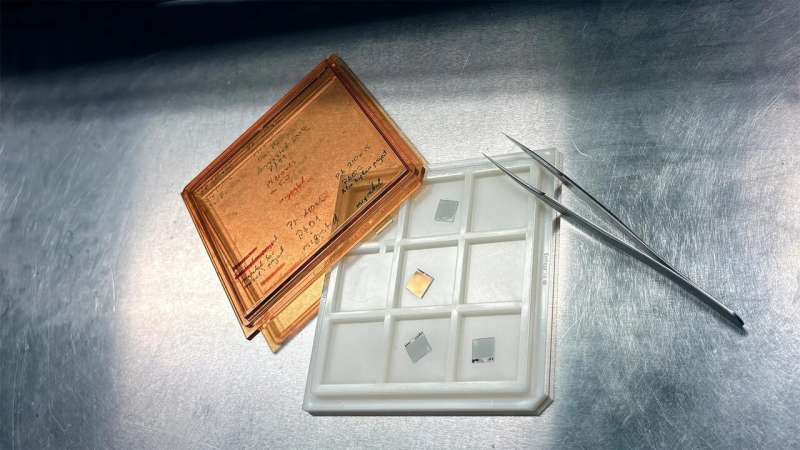
Researchers at Chalmers University of Technology in Sweden just announced a breakthrough that changes everything. Their new fingertip-sized sensor doesn't just tolerate humidity—it actually performs better the more humid it gets.
"When we tested our new sensor concept, we discovered that the more we increased the humidity, the stronger the response to hydrogen became," says doctoral student Athanasios Theodoridis, lead author of the study published in ACS Sensors. "It took us a while to really understand how this could be possible."
The secret lies in tiny platinum nanoparticles that act as both catalysts and sensors simultaneously. When hydrogen mixes with oxygen from the air, the platinum speeds up the chemical reaction, creating heat that makes moisture on the sensor's surface "boil away." The amount of hydrogen present determines how much water evaporates, and the sensor measures these changes to detect hydrogen levels.
As air becomes more humid, the water film on the sensor grows thicker, which actually makes the device more sensitive. The team tested it for over 140 hours straight in humid conditions, proving it stays reliable in real-world environments.
The sensor can detect hydrogen at concentrations as low as 30 parts per million—that's three thousandths of a percent. This makes it one of the world's most sensitive hydrogen gas sensors in humid conditions.
The Ripple Effect
This innovation arrives at a crucial moment for clean energy. Fuel cells need water to function properly, and hydrogen production facilities constantly deal with changing humidity levels from weather and temperature shifts. Until now, keeping these operations safe meant accepting that sensors would work less effectively in the very conditions where they're needed most.
The new sensor concept, developed through Chalmers' TechForH2 competence center, opens doors for safer hydrogen adoption across transportation, manufacturing, and energy storage. As hydrogen infrastructure expands worldwide, reliable safety monitoring becomes essential for protecting workers and the public.
The research team has made several breakthroughs in plasmonic hydrogen sensors over recent years, including using AI to optimize sensor response. This platinum-based approach represents their latest leap forward, combining speed, sensitivity, and humidity resistance in a single device that can be manufactured affordably at large scale.
Safer hydrogen means cleaner energy can spread faster, bringing us closer to a future where this versatile fuel powers everything from cargo ships to steel mills without compromise.
More Images

Based on reporting by Google News - Clean Energy
This story was written by BrightWire based on verified news reports.
Spread the positivity!
Share this good news with someone who needs it