New Ion Beam Tech Slashes Solar Cell Defects in India
Scientists in India just cracked a major problem holding back solar panels. Their precision ion beam method creates near-perfect solar cells with dramatically fewer defects than current manufacturing.
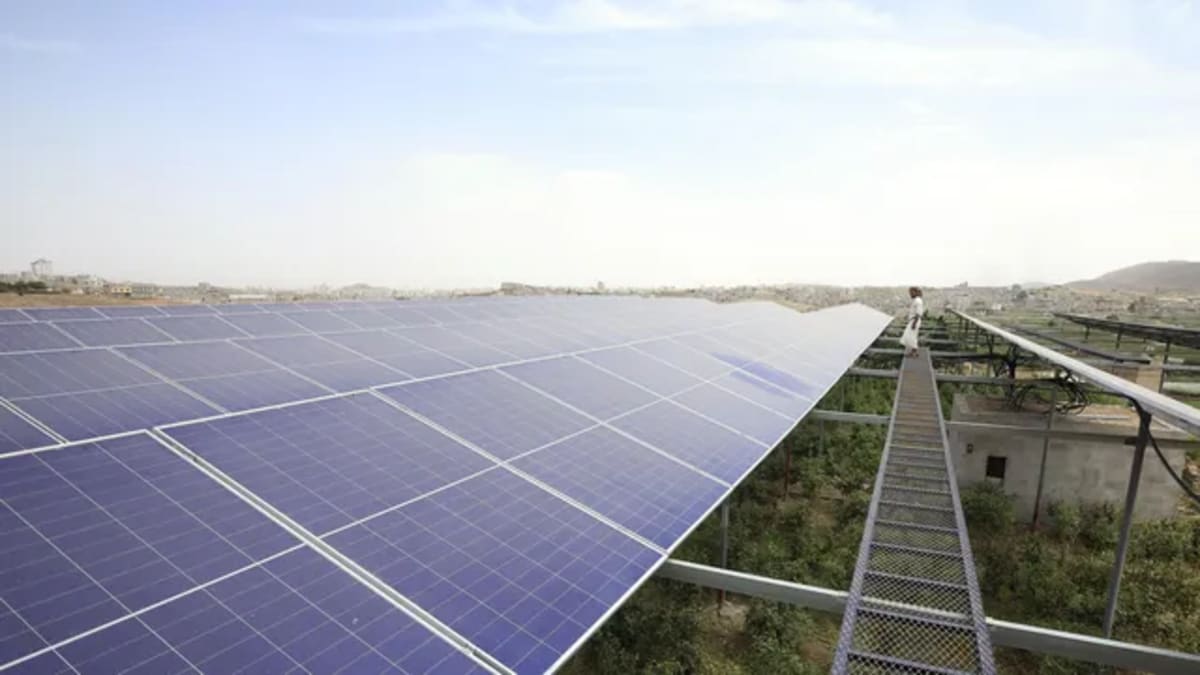
Solar panels could soon become significantly more efficient thanks to a breakthrough from researchers at Panjab University in India who've mastered a technique borrowed from computer chip manufacturing.
The team used ion beam technology to build solar cells with far fewer defects than conventional methods create. Traditional processes like thermal diffusion and plasma techniques struggle to control exactly where and how much of key materials get added, leading to imperfections that waste energy.
"Defects act as recombination centers, reducing carrier lifetime and overall efficiency," explained lead researcher Monika Verma. Those microscopic flaws mean today's solar panels convert less sunlight into electricity than they theoretically could.
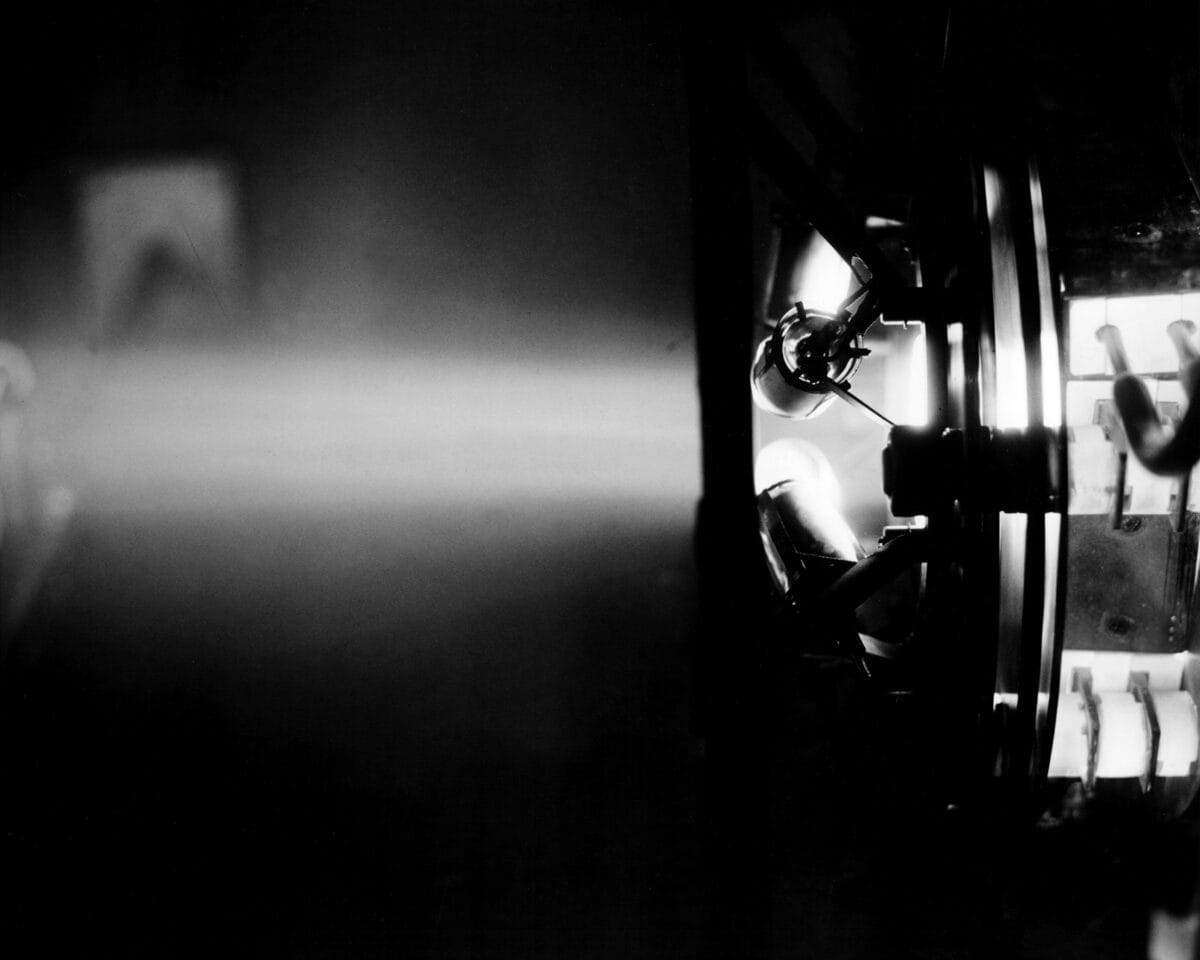
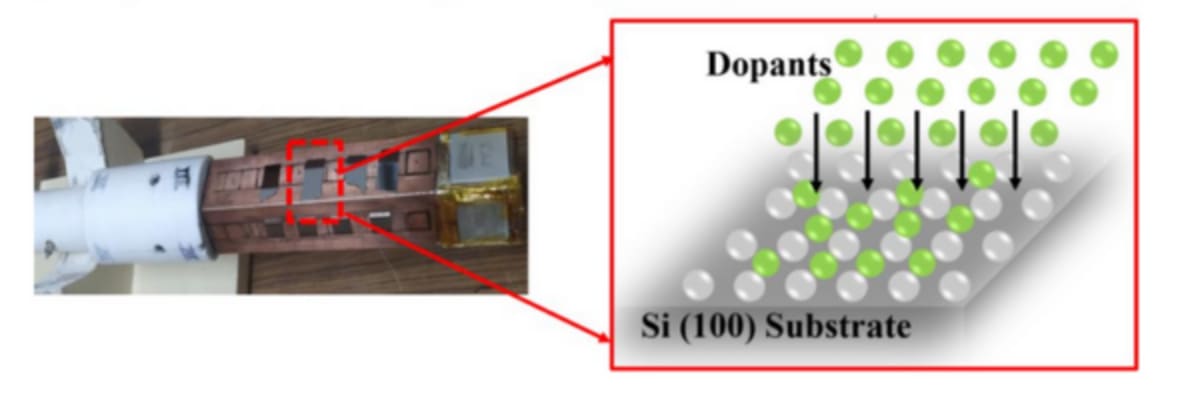
Ion beam implantation changes the game by shooting precisely controlled streams of boron ions into silicon wafers. Think of it like using a laser pointer instead of a spray paint can. The result is uniform layers just nanometers thick with minimal damage to the crystal structure.
The process gives manufacturers exact control over dopant depth and concentration, creating cleaner junctions between different layers of material. When the team tested their solar cells, they found leakage current dropped to just 0.63 milliamps, proving electrons were flowing efficiently with minimal losses.
What makes this especially promising is that it's not experimental lab magic. Ion beam technology has powered computer chip manufacturing for decades and is proven at industrial scale.
"It's now re-emerging as a promising tool for photovoltaic applications," said co-author Sanjeev Gautam. The technique offers precise control and reproducibility that conventional solar manufacturing can't match.
Why This Inspires
This breakthrough tackles one of solar energy's core challenges: making panels efficient enough to compete everywhere without subsidies. Every percentage point of improved efficiency means more clean energy from the same amount of silicon, land, and sunlight.
The researchers confirmed their results using advanced detection methods that spotted boron at parts-per-million levels, something standard testing often misses. The electrical testing showed textbook-perfect diode behavior, exactly what you want in a solar cell.
Better yet, much of the minor crystal damage from implantation can be repaired afterward, opening the door to next-generation high-efficiency panels.
As solar power races to become the world's dominant energy source, innovations like this help ensure the panels going on rooftops and solar farms tomorrow will capture significantly more of the sun's endless energy than today's models.
More Images
Based on reporting by PV Magazine
This story was written by BrightWire based on verified news reports.
Spread the positivity!
Share this good news with someone who needs it