New Jersey Orders 3 Gigawatts of Solar in Day One Move
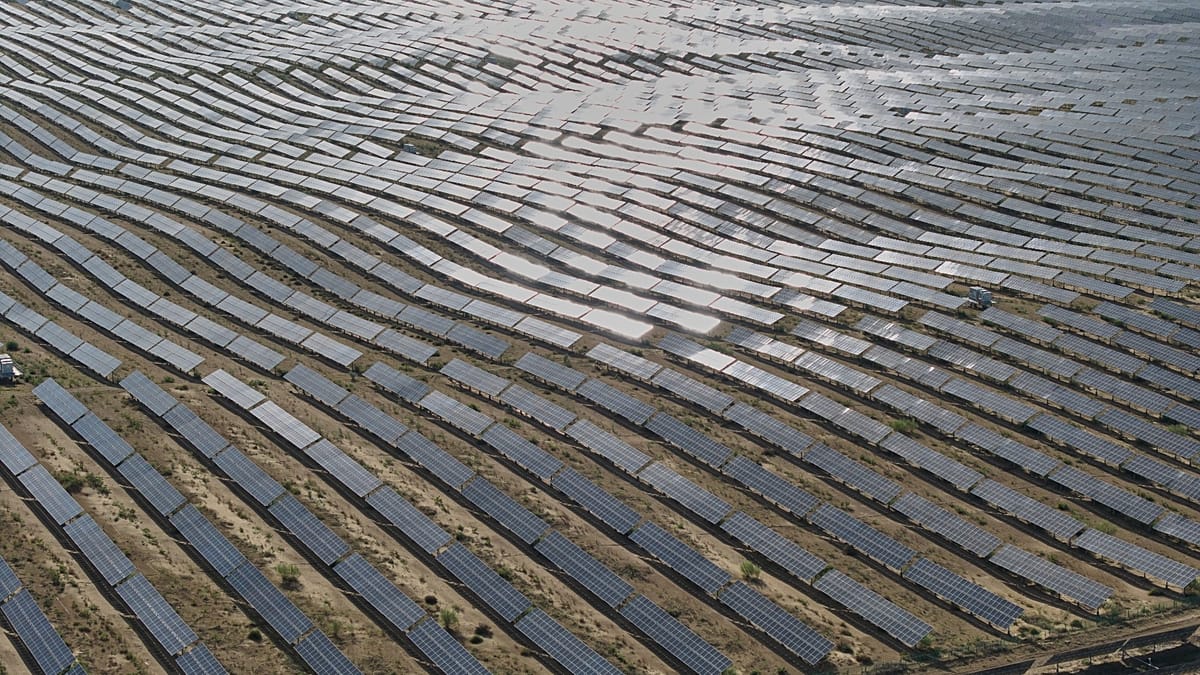
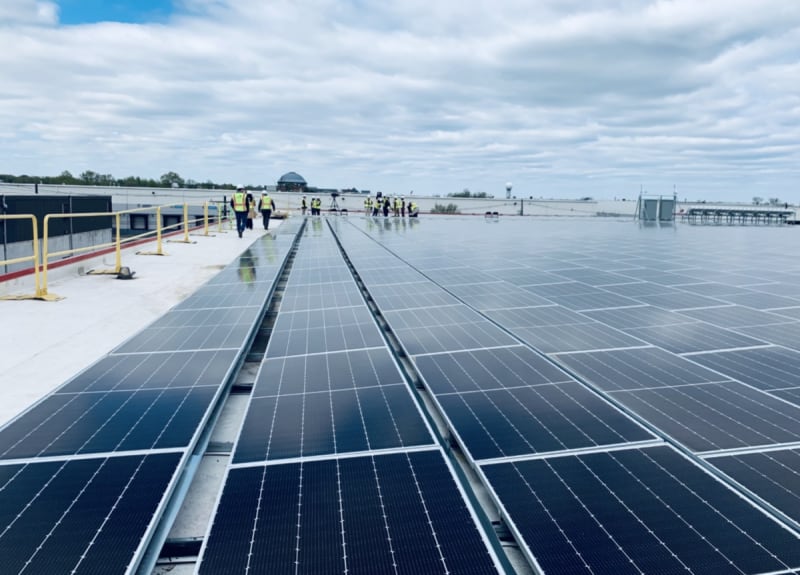
New Jersey's new governor signed two executive orders on her first day to freeze electricity rates and fast-track massive solar and battery storage expansion. The state aims to add 3 gigawatts of solar capacity and hundreds of megawatts of battery storage within months.
New Jersey just took one of the boldest clean energy actions any state has seen in years, and it happened on day one of a new administration.
Governor Mikie Sherrill signed two executive orders on her first day in office that could reshape how the Garden State powers its homes and businesses. Executive Order No. 1 freezes electricity rate increases while No. 2 launches an aggressive push to add renewable energy capacity.
The timing matters. New Jersey faces a 20% jump in electricity demand by 2030, and supply isn't keeping pace. Residents across the state have watched their power bills climb as regional grid costs exploded from a couple billion dollars to over $16 billion in 2026.
The solution Sherrill ordered? A three-pronged renewable energy expansion that must begin within 45 days.
First, the state will accelerate its Competitive Solar Incentive program for large-scale solar projects. Second, the Community Solar Energy Program will open registration for 3 gigawatts of new solar capacity through projects up to 5 megawatts each. That's enough to power hundreds of thousands of homes.
The third piece focuses on battery storage through the Garden State Energy Storage Program. The first phase alone could add 350 to 750 megawatts of storage capacity. A second phase must launch within 90 days.
But the most innovative part might be what comes next. Within 180 days, the state must develop a virtual power plant program that connects rooftop solar, home batteries, electric vehicles, and smart building controls into one coordinated system. Studies show this approach could reduce peak demand by 10 to 20%.
The Ripple Effect
New Jersey sits in the PJM grid region, which serves 65 million people from Chicago to the Atlantic coast. The entire region faces a projected shortfall of 4.5 gigawatts of capacity, and one study found PJM needs 16 gigawatts of battery storage by 2032 just to stay reliable.
What New Jersey does matters beyond its borders. When one major state proves that rapid renewable deployment can stabilize prices and meet growing demand, other states take notice. The executive orders specifically reference federal tax credits that expire soon, creating urgency for projects to break ground by July 2026.
Data centers drove nearly 70% of the region's capacity cost increases, but the solution doesn't require choosing between economic growth and affordable power. Fast-tracking battery storage could add almost 8 gigawatts of accredited capacity to PJM, according to clean energy researchers.
New Jersey already moved forward with 65 megawatts of agrivoltaics, combining farming with solar panels. Now the state is betting that speed and scale on renewables can deliver what residents need most: stable, affordable electricity.
One governor's signature just launched a renewable energy sprint that could light the way for an entire region.
More Images

Based on reporting by PV Magazine
This story was written by BrightWire based on verified news reports.
Spread the positivity!
Share this good news with someone who needs it