New Kidney Drugs Slash Dialysis Need, Extend Lives
Medications originally created for diabetes are now protecting kidney function and keeping patients off dialysis for years longer. One in three American adults faces kidney disease risk, but early detection and new treatments are changing outcomes.
Millions of Americans are living with kidney damage they don't even know about, but a new generation of medications is rewriting what's possible for treatment.
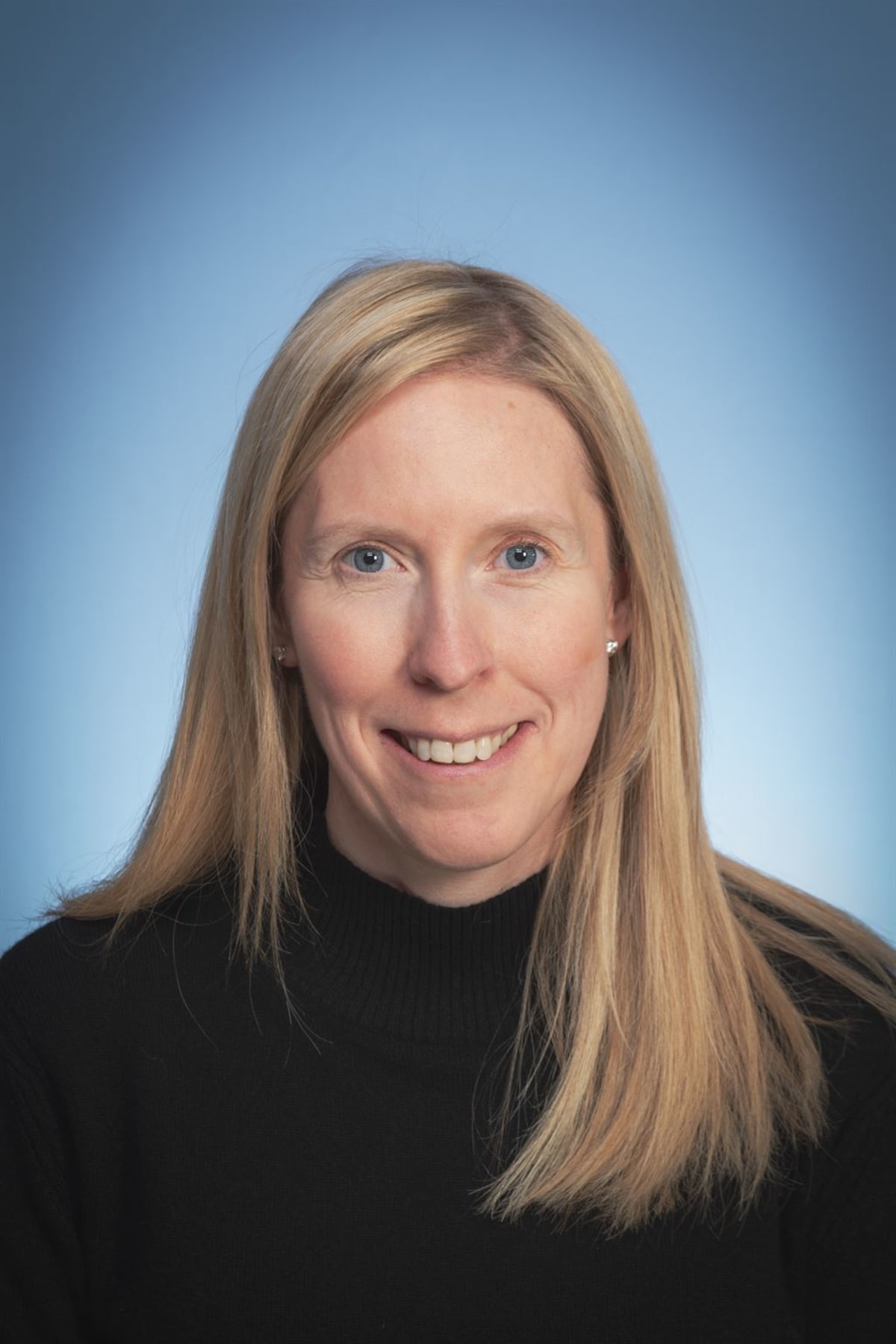
Dr. Bethany Pellegrino, who leads kidney care at WVU Medicine, calls chronic kidney disease "silent until very late in the disease process." People can lose significant kidney function before feeling any symptoms at all.
That silence affects one in three American adults who face kidney disease risk, with diabetes and high blood pressure as the main culprits. West Virginia reports some of the highest rates in the nation.
The stakes are serious. Untreated kidney disease leads to dialysis or transplant, procedures that completely reshape daily life.
But here's the encouraging news: treatment options have exploded over the past two decades. Several medications originally developed for diabetes now protect kidney function by reducing inflammation and scarring in ways doctors never expected.
Why This Inspires
These new drugs, combined with standard blood pressure medication, are already making a measurable difference. Early data suggests fewer patients are progressing to dialysis, and those who do are getting there much later in life.
"If we catch kidney disease early, we can protect not just the next few years, but decades of a patient's life," Dr. Pellegrino said. That means more time with family, more independence, and more life lived normally.
The ripple effects extend beyond individual patients. Slowing disease progression may reduce the overwhelming demand for kidney transplants, helping more people on waiting lists get the organs they desperately need.
WVU Medicine is expanding kidney care access across West Virginia, bringing specialists and clinics closer to rural communities. Their growing Transplant Alliance means more patients can get evaluated and treated without traveling far from home.
Prevention still matters most. Controlling blood pressure and blood sugar, maintaining a healthy weight, and managing heart health all protect kidney function.
Simple blood tests can catch problems early, measuring creatinine levels and how well kidneys filter waste. The earlier doctors spot changes, the more they can do to preserve function.
Dr. Pellegrino encourages anyone with diabetes, high blood pressure, heart disease, obesity, or family history of kidney problems to get screened. "The most important thing is knowing you may be at risk and getting checked," she said.
New treatments are giving people decades they wouldn't have had before, proving that medical progress can quietly transform millions of lives at once.
More Images
Based on reporting by Google News - New Treatment
This story was written by BrightWire based on verified news reports.
Spread the positivity!
Share this good news with someone who needs it