New 'Machine Eye' Gives Robots Superhuman Reaction Speed
Scientists created a brain-inspired computer chip that helps robots and self-driving cars react 400% faster than current systems. The breakthrough could make autonomous vehicles safer in dangerous weather conditions.
Imagine driving through a blinding snowstorm when something suddenly moves across the highway. Your ability to see and react in that split second could mean the difference between safety and disaster.
Now robots and self-driving cars are getting that same superpower, only faster. Scientists at Beihang University created a "machine eye" that helps autonomous systems react to danger four times quicker than before.
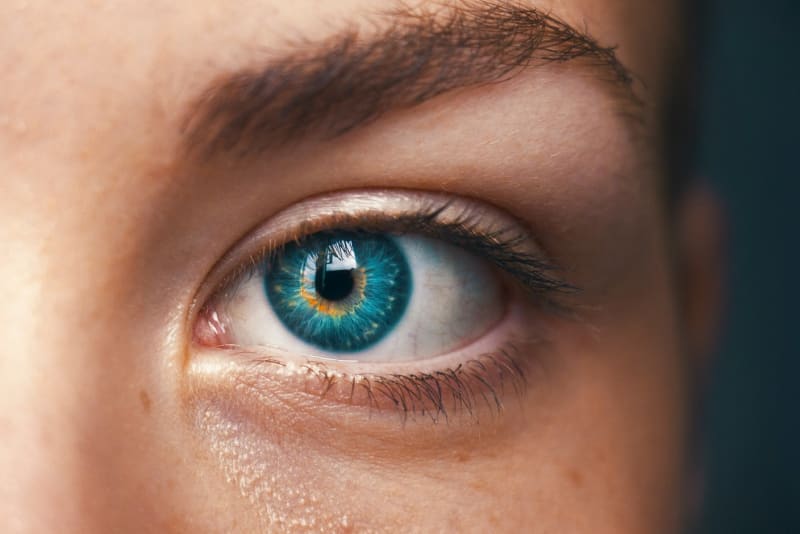
The breakthrough mimics how human eyes naturally spot movement. Our retinas store brief memories of what we just saw, then compare them to new images. This lets us instantly notice when something shifts in our field of vision, even in chaotic conditions.
Traditional computer vision systems struggle with this task. They analyze every pixel in a scene equally, which burns energy and creates dangerous delays. At highway speeds, a one-second delay means an 88-foot blind spot where accidents can happen.
The research team took a different approach. Instead of improving software, they rebuilt the hardware itself. Their new neuromorphic chip processes and stores information in the same location, just like neurons in the brain.
The artificial eye detects changes in brightness across an image. When something moves, specific transistors activate while others stay quiet. This lets the system ignore static objects like buildings and focus only on moving ones like pedestrians or cyclists.
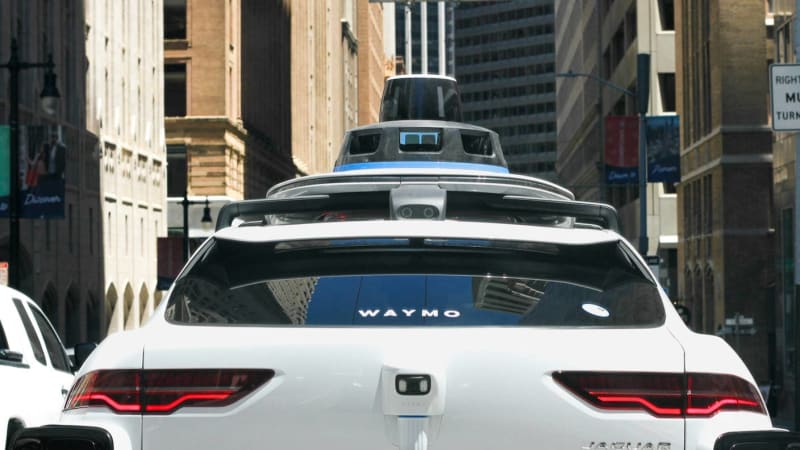
When tested on autonomous vehicles, drones, and robotic arms, the machine eye processed complex environments 400% faster than current technology. In most tests, it surpassed human perception speeds without losing accuracy.
The chip also slashed energy consumption. Because it only analyzes regions with motion instead of entire scenes, it needs far less computing power to make critical decisions.
The Ripple Effect
The technology could transform how robots navigate our messy, unpredictable world. Self-driving cars struggling in snowstorms or heavy rain would suddenly have clearer vision. Delivery drones could weave through crowded airspace more safely. Factory robots could work alongside humans without expensive safety barriers.
The team used common materials found in other neuromorphic chips, making the technology easier to manufacture and scale. This practical approach means the machine eye could reach real-world applications sooner than laboratory curiosities typically do.
For years, computer vision has tried to match human perception. This system finally surpasses it, giving robots reflexes we can only dream of having ourselves.
More Images

Based on reporting by Singularity Hub
This story was written by BrightWire based on verified news reports.
Spread the positivity!
Share this good news with someone who needs it