New Mexico Building 5M Seedling Center After Megafires
New Mexico is tackling a massive reforestation challenge with an enormous new greenhouse center that will grow 5 million native seedlings per year. The state needs 385 million trees to restore forests that protect precious drinking water sources.
When wildfires burned 7 million acres across New Mexico since 2000, they didn't just destroy trees. They wiped out the natural water infrastructure that captures snow and rain for millions of people downstream.
Now the state is fighting back with something unprecedented: a massive reforestation center that will transform how quickly forests can recover. The New Mexico Reforestation Center is about to break ground on 155,000 square feet of greenhouses that will grow native seedlings tough enough to survive in a hotter, drier future.
The numbers tell the story of both challenge and hope. Current facilities produce just 250,000 seedlings per year, meaning it would take 50 years to replant just the Hermit's Peak-Calf Canyon burn scar alone. The new center will jump production to 5 million seedlings annually, more than tripling the state's capacity.
Director Jennifer Auchter sees forests as water infrastructure, not just pretty scenery. About 70 percent of New Mexico's water comes from snowpack and precipitation that forests capture. Without trees anchoring hillsides and catching snow, drinking water sources downstream face contamination and scarcity.
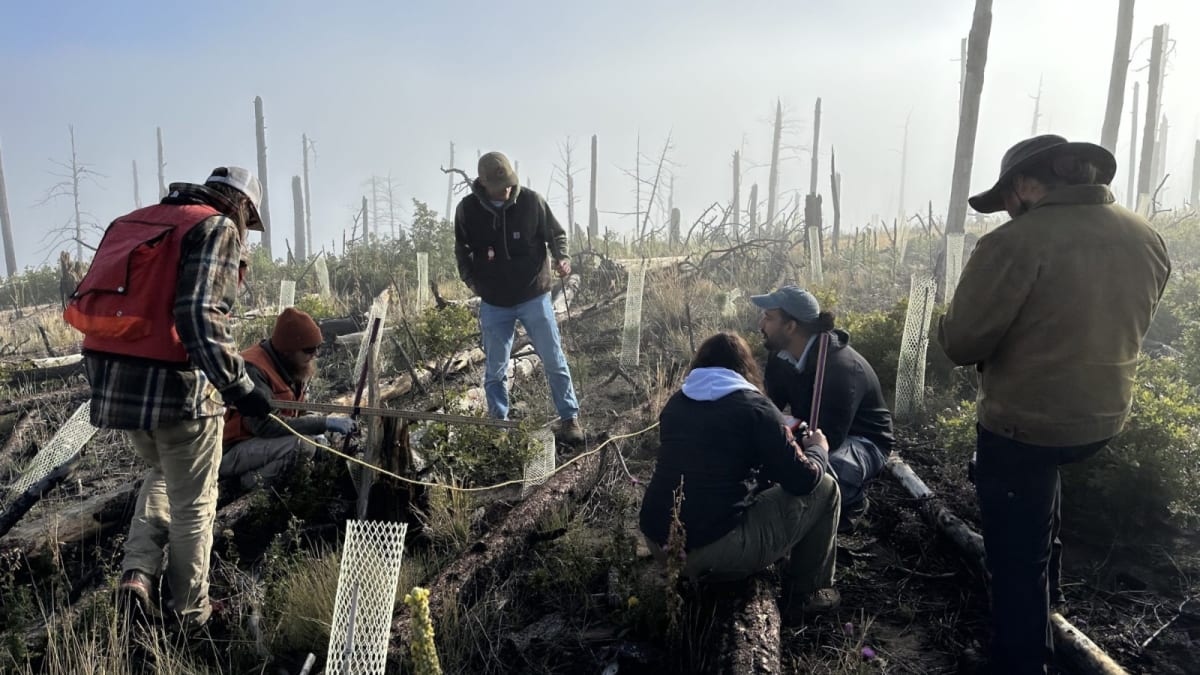
The center represents a collaboration between New Mexico's Forestry Division and three state universities. They're not just growing more trees; they're growing smarter ones. Researchers are drought-conditioning seedlings before planting, essentially training baby trees to handle less water from the start.
Scientists are also planting for the climate of 2100, not today. They use modeling to predict which trees will survive where, based on projected temperature and rainfall changes decades from now. Early experiments show promise: aspen seedlings planted next to logs for shade show higher survival rates.
The operation has uniquely New Mexican touches too. A repurposed chili roaster extracts seeds from cones and pods at the existing seed-processing facility, handling over 1,500 pounds of native seeds.
The Ripple Effect: This isn't just about replacing trees. Forests stabilize burned hillsides, preventing floods from sweeping ash into water supplies. They capture the snowpack that feeds rivers and streams across the Southwest. Every seedling grown represents future drinking water protected, erosion prevented, and wildlife habitat restored. When the greenhouse opens, it will create a model other western states facing similar megafire challenges can follow.
The center proves that even when facing a backlog of 385 million needed trees, smart collaboration and science can close seemingly impossible gaps.
More Images




Based on reporting by Grist
This story was written by BrightWire based on verified news reports.
Spread the positivity!
Share this good news with someone who needs it