New Mexico Builds 155K Sq Ft Greenhouse to Replant Forests
New Mexico is breaking ground on a massive greenhouse facility that will more than triple its seedling production, tackling a 385 million tree shortage left by decades of wildfires. The innovative center uses climate research and drought conditioning to give baby trees their best shot at survival.
New Mexico needs 385 million trees to heal from wildfires, but only grows about 250,000 seedlings a year. That staggering gap means it would take 50 years just to replant the state's largest fire scar alone.
The New Mexico Reforestation Center is about to change that math. The facility is breaking ground on a 155,000 square foot greenhouse complex that will more than triple the state's current seedling growing capacity.
"This is about water infrastructure," says Director Jennifer Auchter. About 70% of New Mexico's water comes from forests, where snowpack feeds rivers and streams. Without trees to stabilize burned hillsides, ash sweeps into drinking water below.
The Hermit's Peak-Calf Canyon Fire burned through 341,000 acres in 2022, becoming the largest wildfire in state history. It needs 17.6 million seedlings alone. Since 2000, wildfires have scorched 7 million acres across New Mexico.
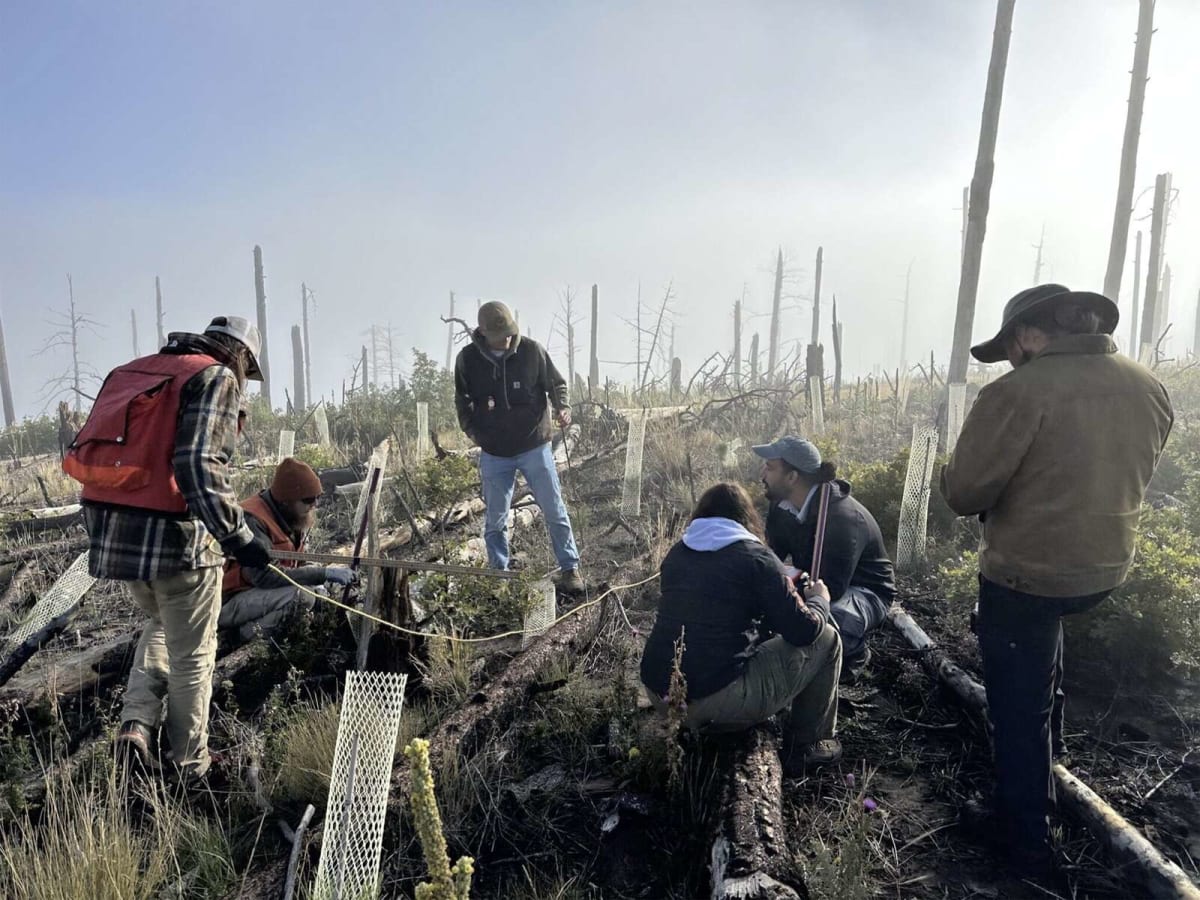
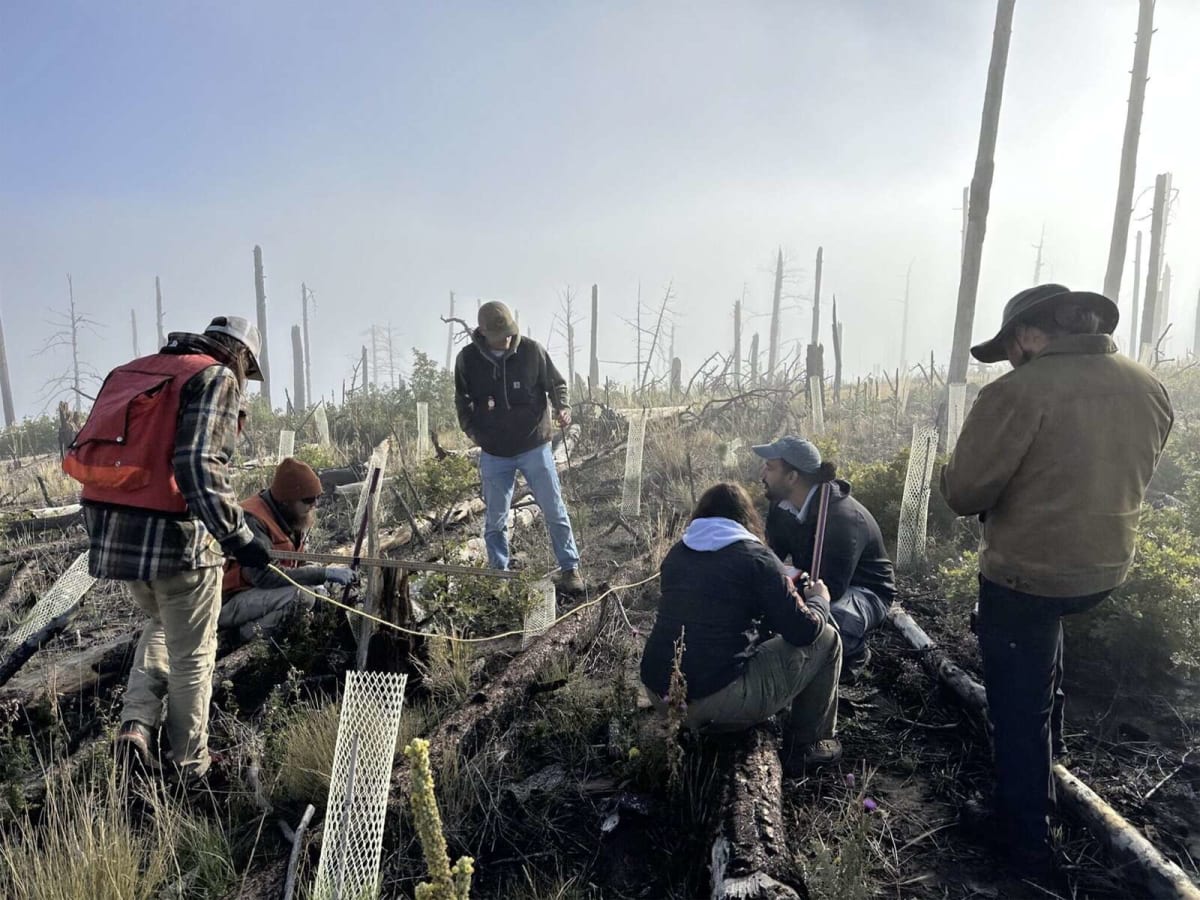
The center brings together three universities and the state Forestry Division in an approach that's equal parts greenhouse and laboratory. Researchers at New Mexico State University deliberately stress seedlings with less water, training them to survive drought before they ever touch soil.
Scientists at the University of New Mexico model future climate conditions to determine which trees go where. They're planting for 2100, not today. Computer predictions help match each seedling to sites where it can thrive as temperatures rise.
Other experiments test shade strategies. Planting aspen seedlings next to logs gives them cover during vulnerable early months, boosting survival rates.
The facility even has New Mexican flair. A repurposed chili roaster extracts seeds from cones and pods at the existing seed processing center, handling over 1,500 pounds of native seeds.
Right now, most of New Mexico's tree seedlings travel from Idaho growers. They arrive climate shocked and struggle to adapt. Locally grown seedlings from native seeds matched to specific elevations and conditions have much better odds.
Why This Inspires
This isn't just about replacing what burned. It's about building resilient forests that can handle what's coming. The research happening alongside seedling production means every tree planted has been tested, mapped, and prepared for a hotter, drier future.
The collaboration shows what's possible when universities, state agencies, and local expertise combine forces on a problem too big for any one group to solve alone.
Once the greenhouse complex reaches full capacity, New Mexico will finally start catching up to its reforestation backlog while preparing for fires that haven't happened yet.
The first seedlings from the new facility will be ready to plant within two years, carrying decades of research in their roots.
More Images

Based on reporting by Google News - Reforestation
This story was written by BrightWire based on verified news reports.
Spread the positivity!
Share this good news with someone who needs it