New Mexico Dinosaur Solves 20-Year Identity Mystery
A bird-like dinosaur fossil found in 2005 finally has its true identity after years of scientific debate. The newly named Dinevenator robustus rewrites what we know about prehistoric life in the American Southwest.
A dinosaur bone discovered in New Mexico two decades ago just got the recognition it deserves, solving a mystery that stumped scientists for years.
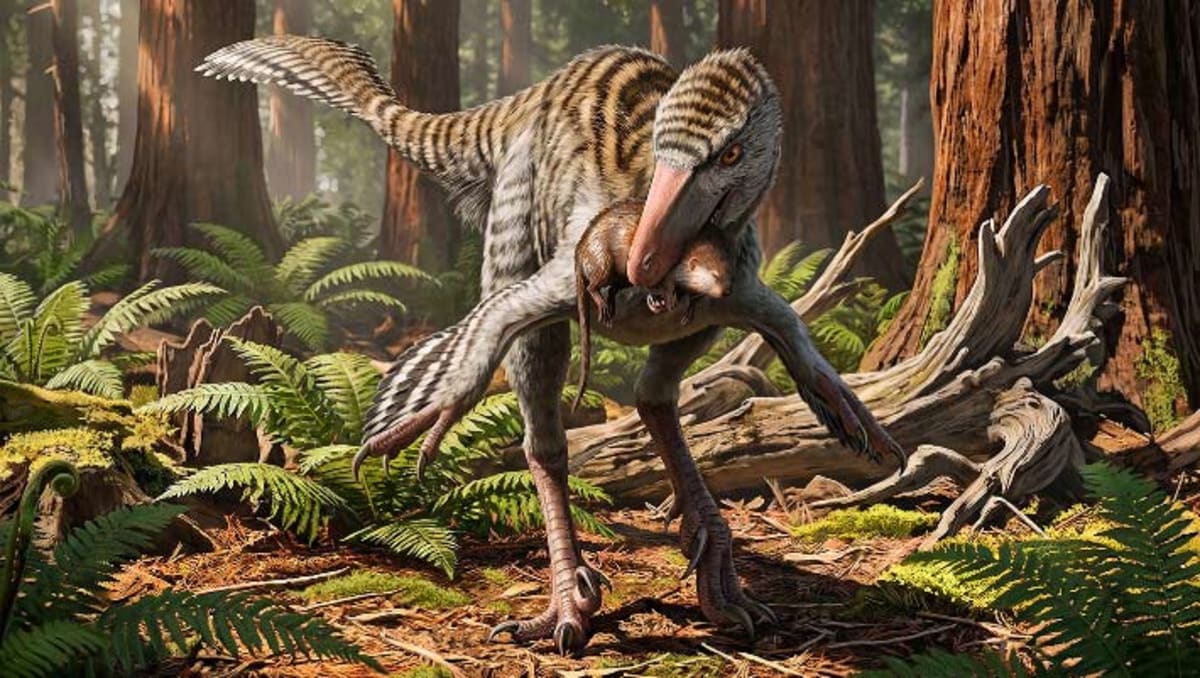
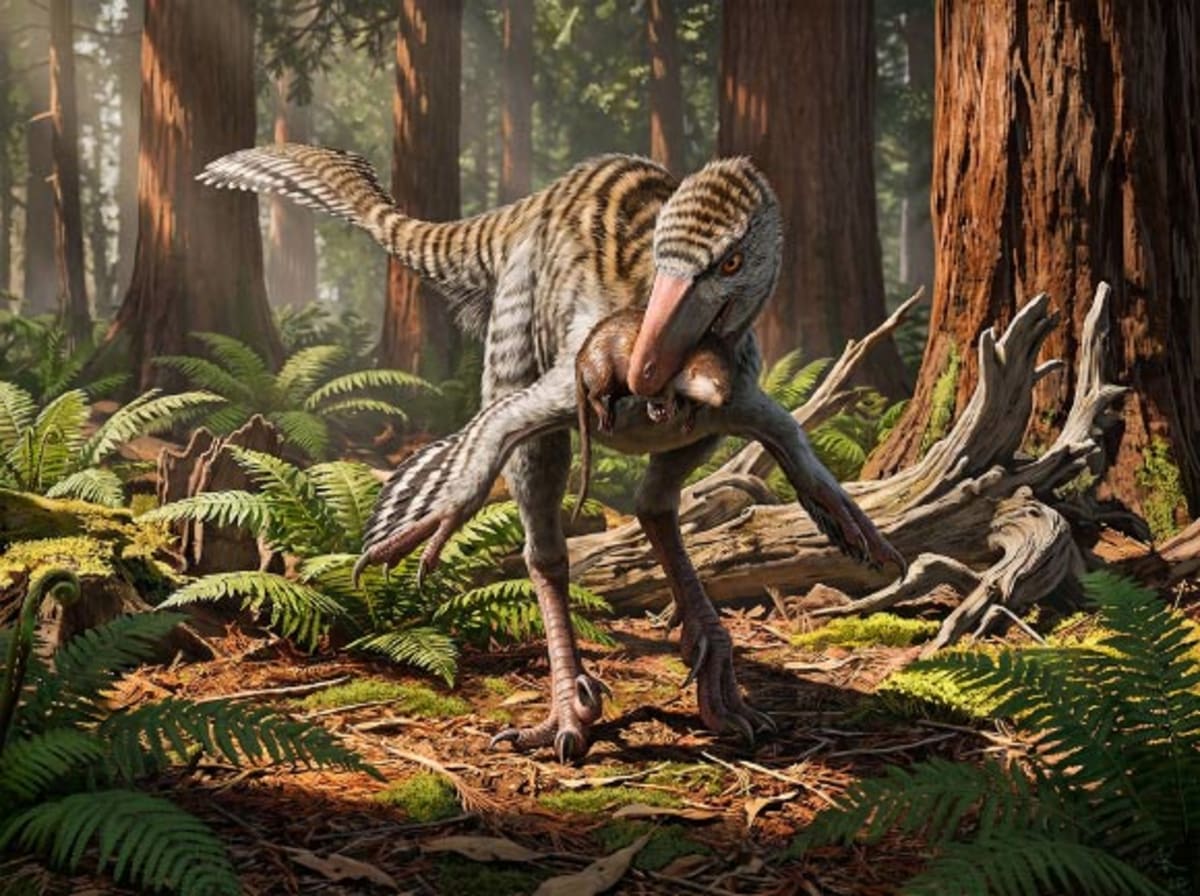
Paleontologists at the New Mexico Museum of Natural History & Science announced that a fossil unearthed in 2005 represents an entirely new genus of dinosaur. They named it Dinevenator robustus, honoring both the Navajo people (Diné) and the creature's robust build.
The story of this dinosaur reads like a scientific detective novel. When researchers first studied the nearly complete skull bone in 2006, they classified it as a raptor species. Other scientists disagreed and reclassified it in 2014 as part of a different dinosaur family called troodontids, known for being bird-like and intelligent.
The debate didn't end there. Some paleontologists questioned whether the fossil represented a valid species at all, while others proposed it belonged to a Mexican dinosaur genus called Xenovenator.
Dr. Steven Jasinski and his colleague Robert Sullivan decided to settle the question once and for all. Their detailed analysis revealed that this New Mexico dinosaur stands apart from all its relatives, distinctive enough to deserve its own genus name.
Dinevenator robustus roamed what is now northwestern New Mexico about 73 million years ago during the Late Cretaceous period. At 8 to 10 feet long and weighing up to 300 pounds, it ranks among the larger members of its family. The dinosaur belonged to a group of thick-skulled, robust troodontids alongside relatives in Canada and Mexico.
The Ripple Effect
This discovery does more than add another name to the dinosaur family tree. It reveals that the ancient San Juan Basin harbored unique species found nowhere else, making New Mexico a crucial piece of the puzzle for understanding life in the twilight of the dinosaur age.
"This new work illustrates the dynamic nature of dinosaur studies as we continue to test what we think we know," said Dr. Anthony Fiorillo, executive director of the museum. The finding demonstrates that our understanding of prehistoric life continues to evolve as scientists revisit old specimens with fresh eyes and new techniques.
The research also highlights a complex story of how different dinosaur species interacted across North America. Rather than simple north-south patterns, the fossil record reveals intricate relationships between creatures from various geographic regions during the final chapter of the Cretaceous period.
Twenty years after someone pulled this bone from New Mexico soil, Dinevenator robustus finally takes its rightful place in the prehistoric record, reminding us that sometimes the biggest discoveries have been waiting patiently in museum drawers all along.
More Images
Based on reporting by Google News - Science
This story was written by BrightWire based on verified news reports.
Spread the positivity!
Share this good news with someone who needs it