New Mexico Redirects 7M Seedlings to Fire-Damaged Forests
New Mexico is redirecting millions of tree seedlings to help forests recover from devastating wildfires that have burned over 7 million acres this decade. The new program prioritizes getting climate-resilient trees planted in areas that can't regenerate naturally.
New Mexico is planting hope in the ashes of its worst wildfires, redirecting millions of tree seedlings to help burned forests come back to life.
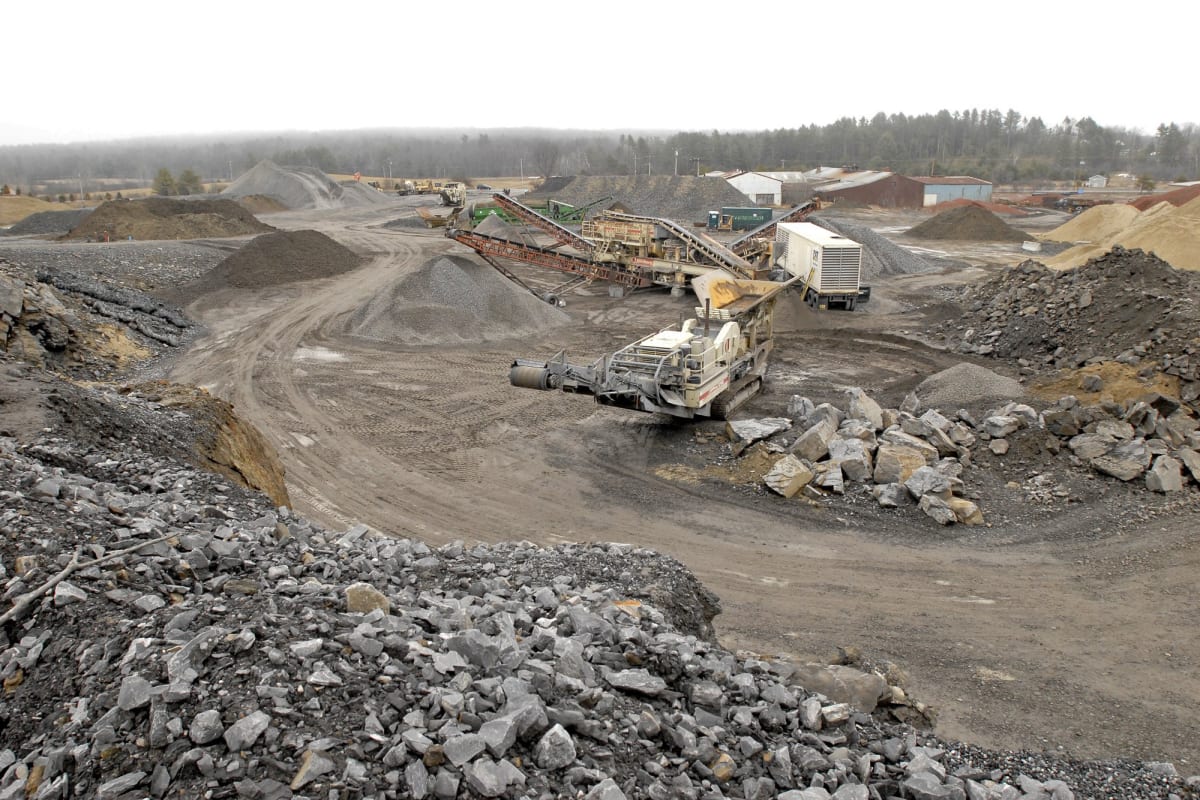
The state's Forestry Division launched its Seedlings for Reforestation program this fall to tackle a growing crisis. More than 7 million acres have burned across New Mexico in just the past few years, leaving massive scars where forests can't grow back on their own.
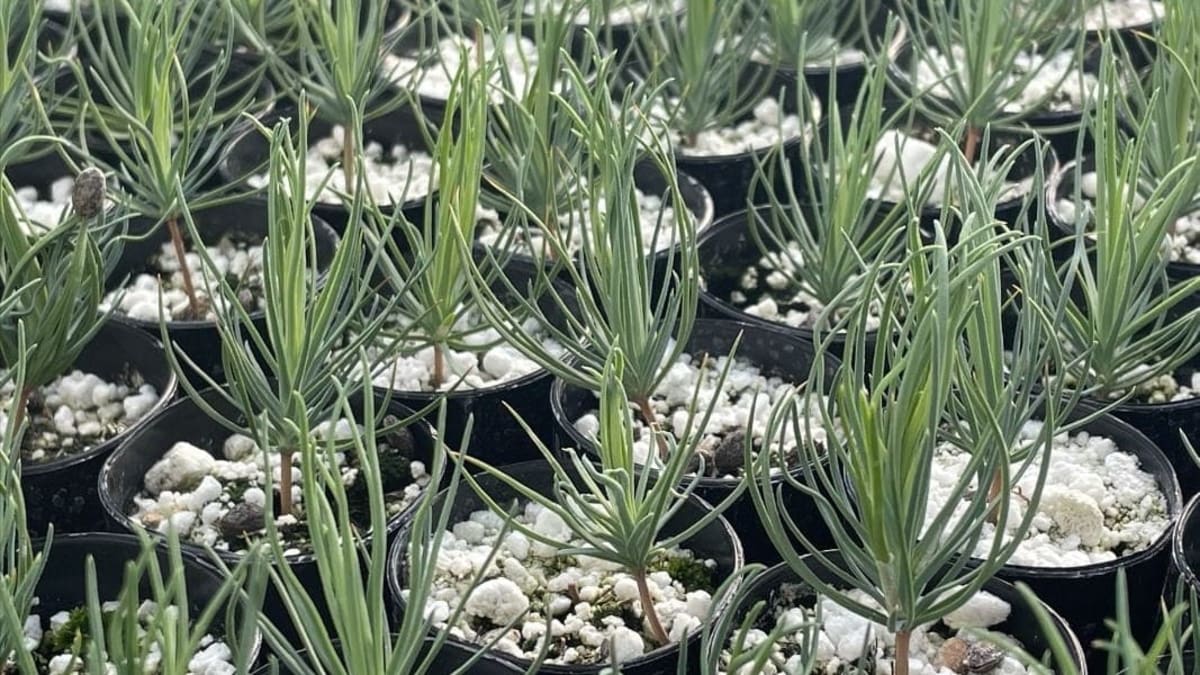
The new program focuses on high-demand species like ponderosa pine and Douglas fir. These trees will be carefully matched to specific burned areas based on soil, elevation, and future climate conditions.
State Forester Laura McCarthy says the approach is strategic. "With limited seedlings and a changing climate, we need to prioritize getting the right tree to the right place at the right time," she explained.
The stakes go beyond just replanting trees. High-severity burn areas face serious erosion, flooding, and watershed damage that threatens nearby communities. Getting forests reestablished helps stabilize soil, manage water flow, and protect people downstream.
New Mexico has actually been in the tree distribution business since the 1960s. The Conservation Seedling Program has given out millions of trees for streambank restoration, erosion control, and wildlife habitat projects over the decades. The seedlings always sell out quickly each year.
But wildfires have changed everything. The division realized it needed to shift priorities from general conservation projects to emergency forest recovery.
Reforestation Program Manager Gwen Wion is thinking long term. "In 2020, we set the goal of reforesting burned areas with trees that will thrive in the climate conditions a century from now," she said.
The Ripple Effect
This program does more than restore scenery. Healthy forests filter drinking water for communities, provide homes for wildlife, and capture carbon from the atmosphere. When forests return to burned areas, they stabilize entire ecosystems.
The program also includes technical support for landowners and monitoring to track how well the new forests grow. The division moved its annual seedling distribution to fall, when young trees have the best chance of survival.
By matching seed sources to planting sites and focusing on climate-adapted species, New Mexico is building forests that can withstand whatever comes next. Each seedling represents a bet on resilience and a greener future rising from the ashes.
More Images


Based on reporting by Google News - Reforestation
This story was written by BrightWire based on verified news reports.
Spread the positivity!
Share this good news with someone who needs it