New Mexico Training 5M Seedlings to Survive Wildfires
After wildfires scorched over 5 million acres in New Mexico, scientists created a "reforestation pipeline" that trains baby trees to survive brutal burn scar conditions. The state's new facility will grow 5 million climate-tough seedlings annually by 2028.
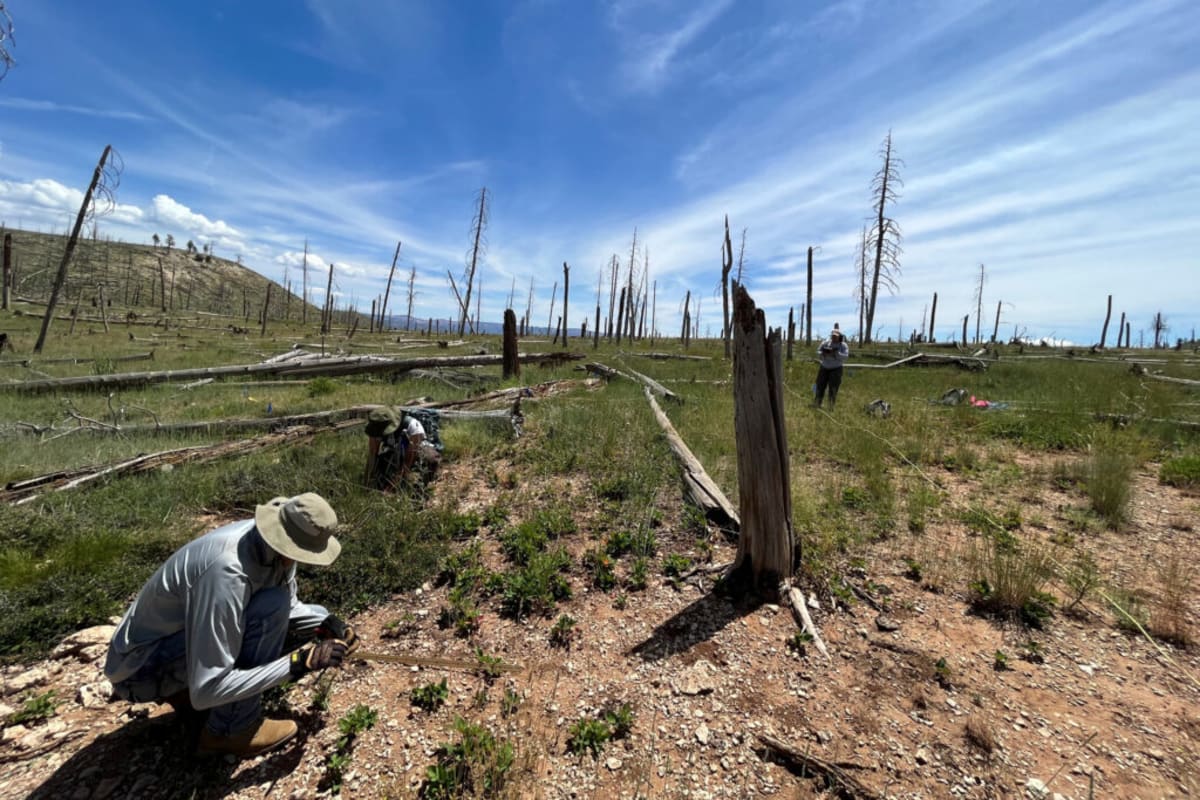
Four years after the most destructive wildfire in New Mexico history turned 341,000 acres into a charred wasteland, scientists have figured out how to grow trees tough enough to bring forests back.
The problem wasn't just the scale of destruction. Seedlings imported from Idaho couldn't handle the brutal conditions on burn scars: intense sun, extreme heat, and increasingly dry soil from climate change.
Now, researchers from four New Mexico institutions have built what they call a "reforestation pipeline" that prepares every seedling for the harsh reality it will face. The approach starts with seed collection and ends with trees trained to survive drought and heat.
Scientists begin by scouting forests each spring for what they call the "best trees on the worst site." They're hunting for pines that have already survived wildfires, droughts, and temperature extremes, collecting their seeds to create naturally resilient offspring.
In 2024 alone, contractors collected 12 million seeds from hardy survivor trees across the state. Each seed gets tested for genetic identity and quality before making it to the nursery.
At New Mexico State University's Harrington Forestry Research Center in Mora, research scientist Andrei Toca puts the seedlings through boot camp. He conditions them to handle the extreme temperatures and drought they'll encounter on actual burn scars.
The state currently produces about 300,000 seedlings per year at the Harrington Center. The new New Mexico Reforestation Center, which broke ground in April on the same campus, will ramp up production to 1 million seedlings by fall 2028 and eventually 5 million annually.
"So yes, we're planting, but are we actually reforesting?" asks Jenn Auchter, director of the New Mexico Reforestation Center. That question drives the entire pipeline approach.
The difference between New Mexico's method and other states' efforts lies in this integrated approach. Instead of just planting more trees and hoping they survive, scientists control each step from collection to planting, creating seedlings genetically and physically prepared for climate change.
The Ripple Effect
New Mexico's reforestation pipeline does more than replace lost trees. By selecting seeds from survivors and training seedlings for extreme conditions, the program is essentially creating forests that can handle the hotter, drier future scientists predict.
These climate-resilient trees will eventually produce their own seeds, spreading tough genetics throughout regenerated forests. Each seedling that survives becomes a parent to the next generation of fire-resistant, drought-tolerant trees.
The approach also keeps the entire process local, eliminating the stress of long-distance transport that once killed seedlings before they even reached the ground. Growing trees adapted to New Mexico conditions in New Mexico soil gives them the best possible chance.
With over 5.45 million acres burned in the past 20 years, the state faces a massive challenge, but the pipeline model offers a blueprint for other wildfire-prone regions looking to rebuild smarter, not just faster.
By 2028, millions of tough little trees will be ready to reclaim New Mexico's burn scars, one resilient seedling at a time.
Based on reporting by Google News - Reforestation
This story was written by BrightWire based on verified news reports.
Spread the positivity!
Share this good news with someone who needs it