New Mexico Trains 5M Seedlings to Heal Wildfire Scars
After wildfires scorched over 5 million acres in New Mexico, scientists are building a "reforestation pipeline" that trains baby trees to survive brutal conditions before planting. The new center will produce 5 million climate-tough seedlings annually by 2029.
Scientists in New Mexico are teaching baby trees how to survive in some of the harshest conditions on Earth, and it's already changing how we heal scorched forests.
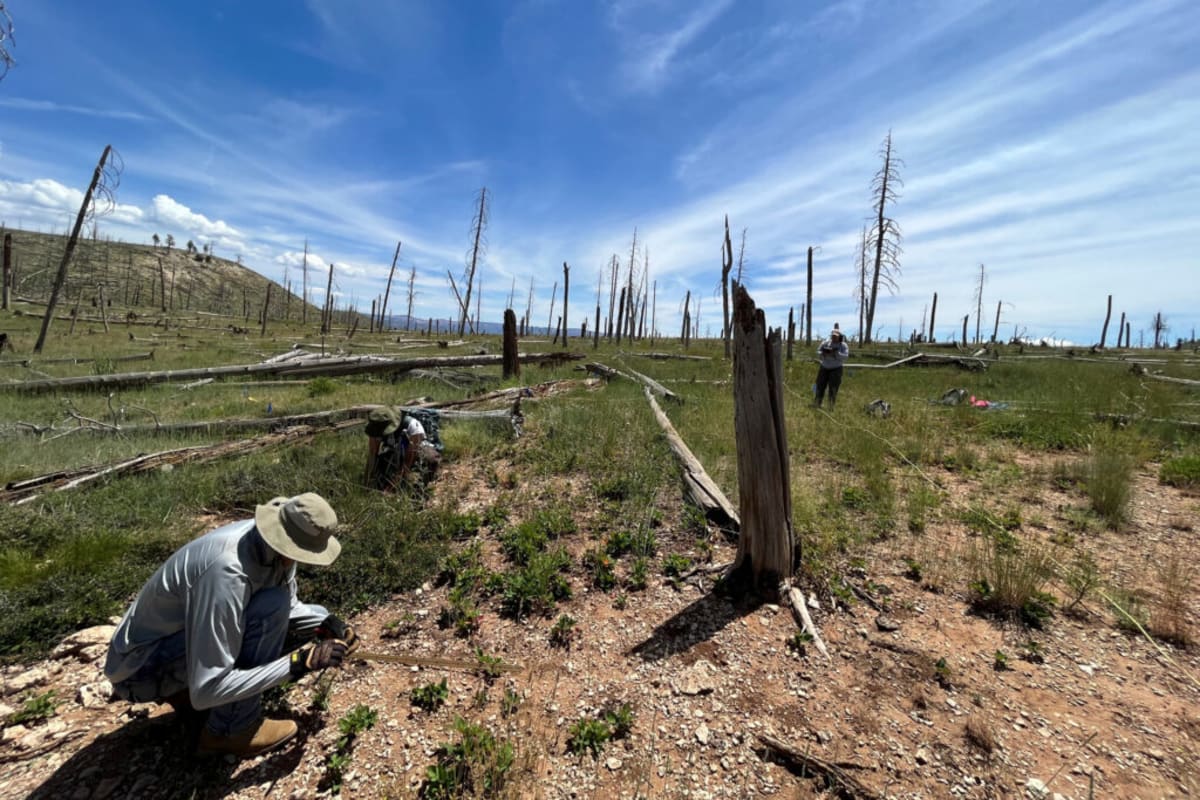
Four years after the most destructive wildfire in state history burned 341,471 acres, vast stretches of northern New Mexico still look like a graveyard of charred, leafless trees. With over 5.45 million acres burned in the past two decades, the state faced a massive challenge: how do you replant an area that size when most seedlings die from extreme heat and drought?
The answer came from thinking like a coach, not just a gardener. Researchers created what they call a "reforestation pipeline" that prepares trees for the brutal reality they'll face in burn scars.
It starts in spring when scientists from New Mexico Highlands University hike through forests searching for what they call the "best trees on the worst site." They're hunting for pines that have already survived droughts, fires, and temperature extremes. In 2024 alone, contractors collected 12 million seeds from these survivor trees.
Those seeds get tested, certified, and sent to nurseries where the real training begins. Research scientist Andrei Toca at the John T. Harrington Forestry Research Center toughens up seedlings by gradually exposing them to heat and drought conditions. Think of it like altitude training for Olympic athletes, except these athletes are tiny ponderosa pines and Douglas firs.
The state used to buy seedlings from Idaho, but the long journey stressed the baby trees so much that survival rates plummeted. Now New Mexico grows its own, currently producing about 300,000 seedlings each year at the Harrington Center in Mora County.
The game changer arrived on April 27 when the New Mexico Reforestation Center broke ground on the same campus. By fall 2028, it will produce 1 million seedlings. After that, production ramps up to 5 million climate-resilient trees every single year.
The Ripple Effect
This isn't just about replacing lost trees. The reforestation pipeline model brings together four institutions working on every step from seed to forest, creating a blueprint other states can follow.
Director Jenn Auchter says the key question shifted from "are we planting?" to "are we actually reforesting?" The difference matters because planting trees that die wastes resources and time we don't have as climate change makes conditions even tougher.
By training seedlings to handle extreme sun and drier conditions before they leave the nursery, New Mexico is building forests that can survive the future, not just remember the past. Each generation of tough trees produces even tougher seeds, creating a legacy of resilience that could last centuries.
Five million seedlings a year won't erase the scars overnight, but they're proof that smart science and teamwork can help nature heal even after devastation.
Based on reporting by Inside Climate News
This story was written by BrightWire based on verified news reports.
Spread the positivity!
Share this good news with someone who needs it