New Molecule Shrinks Aggressive Breast Cancer in Mice
Scientists at Oregon Health & Science University created a molecule that shuts down a key enzyme cancer cells need to grow, causing tumors to shrink in mice with triple-negative breast cancer. The breakthrough could lead to new treatments for one of the deadliest forms of breast cancer.
A newly designed molecule is showing real promise against triple-negative breast cancer, one of the most aggressive and hardest-to-treat forms of the disease.
Scientists at Oregon Health & Science University developed a compound called SU212 that targets a specific enzyme cancer cells depend on to fuel their growth. When tested in mice designed to mimic human disease, the molecule caused tumors to shrink and slowed cancer from spreading.
Triple-negative breast cancer accounts for about 15% of all breast cancer cases. It's called "triple-negative" because it lacks three common markers that other breast cancers have, making it resistant to many standard treatments.
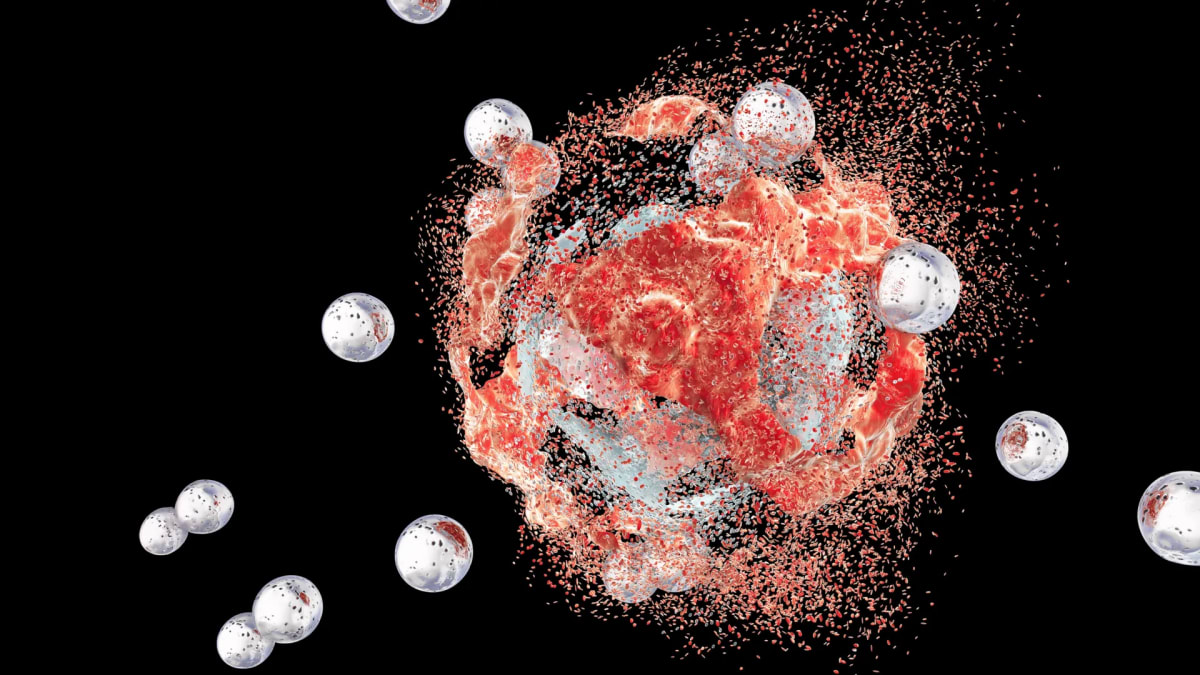
The molecule works by attaching to an enzyme called enolase 1, which helps cells convert glucose into energy. Cancer cells produce unusually high amounts of this enzyme to support their rapid growth.
Once SU212 binds to the enzyme, it causes it to break down. This disrupts a critical pathway tumors use to survive and spread, essentially starving them of fuel.
"It's an important step forward to treat triple-negative breast cancer," said Dr. Sanjay Malhotra, who leads the Center for Experimental Therapeutics at OHSU Knight Cancer Institute. "There are no effective drugs available right now."
The approach could benefit patients with metabolic disorders like diabetes too, since the enzyme plays a role in regulating glucose levels. Malhotra noted that high blood sugar can complicate cancer treatment.
The Ripple Effect
The research team believes this discovery could extend far beyond breast cancer. Other aggressive cancers that rely heavily on enolase 1 include glioma, pancreatic cancer, and thyroid cancer.
"A drug that targets enolase 1 could help improve the treatment of these cancers too," Malhotra said. That means one breakthrough could potentially help thousands of patients facing different types of aggressive disease.
The next step is moving SU212 toward human clinical trials, which requires FDA approval and significant resources. Malhotra's team is working to translate their laboratory success into treatments that can help patients in hospitals and clinics.
The research represents years of work across multiple institutions, including Stanford University and the National Cancer Institute. Now at OHSU, Malhotra and his colleagues are focused on turning promising science into real options for people fighting cancer.
For patients and families facing triple-negative breast cancer today, this research offers something that's been in short supply: hope for better treatment options ahead.
Based on reporting by Science Daily
This story was written by BrightWire based on verified news reports.
Spread the positivity!
Share this good news with someone who needs it