New Mouse Model Predicts Antibody Drug Safety in Humans
Scientists in Belgium created a mouse model that catches dangerous side effects of antibody drugs before they reach patients, potentially saving lives and billions in failed trials. The breakthrough could prevent tragedies like past blood clot deaths from drugs that seemed safe in early testing.
A new testing platform developed by scientists at VIB and UGent in Belgium could prevent dangerous drugs from reaching patients while speeding safer treatments to those who need them most.
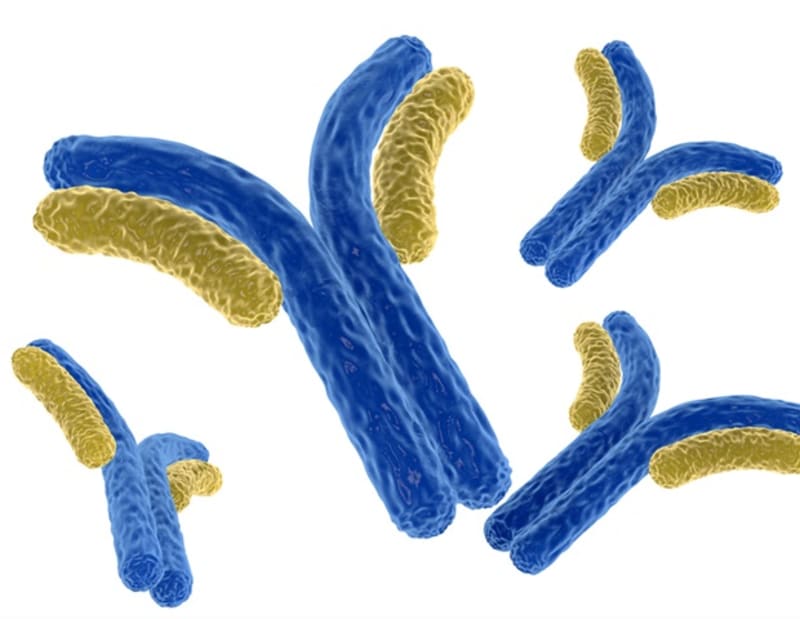
Antibody drugs treat millions of people with cancer, autoimmune diseases, and infections every year. But many promising treatments fail in human trials or cause unexpected side effects because early testing in standard lab mice doesn't reflect how the human immune system actually works.
The problem comes down to tiny differences in how immune cells read instructions from antibody drugs. In humans, certain immune cells and blood platelets respond powerfully to these medicines. In mice, those same responses are weak or completely absent.
This gap has had tragic consequences. Anti-CD40L antibodies looked safe in early testing but later caused severe blood clots and patient deaths in clinical trials. The danger was invisible until humans received the drug.
Professor Bart Lambrecht and his team spent years mapping exactly how antibody receptors appear across different immune cells in humans versus testing systems. They used that knowledge to create a genetically engineered mouse whose immune system responds to antibody drugs the same way a human's does.
The new model has been tested across multiple disease settings. Researchers can now rank which antibody candidates work best, predict which ones might remove specific immune cells too aggressively, and catch safety red flags before expensive clinical trials begin.
The Ripple Effect
The impact reaches far beyond the lab. Pharmaceutical companies lose billions when promising drugs fail late in development. Each failure adds years to timelines and drives up the cost of medicines that do succeed.
Better early testing means safer candidates reach patients faster while risky ones get stopped sooner. Dr. Karel Van Damme, the study's first author, explains that modern antibody development depends on subtle molecular tweaks. The new platform lets scientists compare different designs head to head in ways that actually predict human responses.
The U.S. Food and Drug Administration has been pushing for exactly these kinds of advanced, more accurate models. Regulators want stronger evidence before drugs enter human testing.
The research team made their mouse model commercially available to both academic researchers and drug companies worldwide. That open access means labs everywhere can start using more predictive testing immediately.
For patients waiting for new treatments, this breakthrough offers something invaluable: confidence that the next generation of antibody medicines will be both more effective and safer than ever before.
More Images

Based on reporting by Google News - New Treatment
This story was written by BrightWire based on verified news reports.
Spread the positivity!
Share this good news with someone who needs it