New mRNA Therapy Protects Insulin Cells in Diabetes Study
Scientists created a breakthrough mRNA treatment that shields insulin-producing cells from immune attacks, potentially preventing type 1 diabetes before it starts. Early tests in mice show the nanoparticle therapy successfully reached target cells and delayed disease progression.
Scientists just took a major step toward stopping type 1 diabetes before it destroys insulin-producing cells in the pancreas.
Researchers at the University of Chicago developed a new mRNA therapy that works like a protective shield for the cells that make insulin. The treatment uses tiny nanoparticles to deliver genetic instructions directly to beta cells, telling them to produce a protein called PD-L1 that fends off immune system attacks.
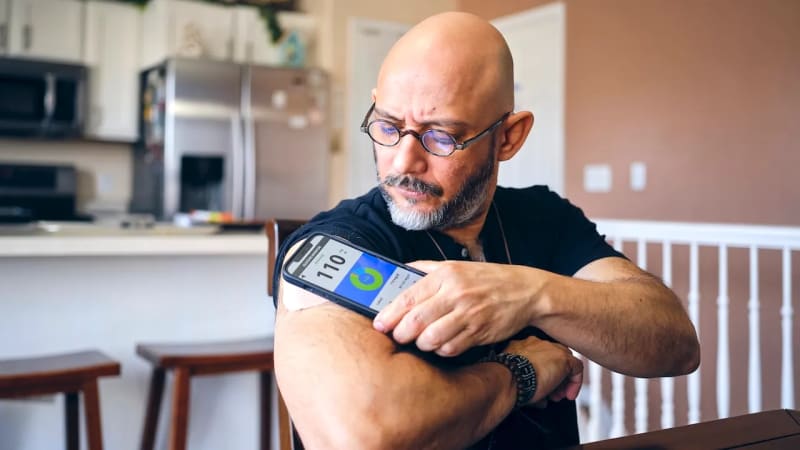
Type 1 diabetes affects nearly 2 million Americans who must take insulin daily to survive. The disease happens when the body's immune system mistakenly destroys the pancreas cells that produce insulin, leaving patients unable to regulate blood sugar on their own.
The new approach targets the problem at its source. When the mRNA nanoparticles reached beta cells in mice, they triggered production of the protective protein and successfully delayed diabetes progression. The therapy even worked when researchers transplanted human beta cells into mice, suggesting it could translate to people.
"We showed that we were able to deliver PD-L1 mRNA with our nanoparticle system, enable a delay in type 1 diabetes progression in mice, and also show potential translational relevance within human cells," said lead author Dr. Jacob Enriquez, a postdoctoral scholar at UChicago.
Why This Inspires
This research represents a fundamentally different way to fight autoimmune disease. Current prevention methods try to calm down the entire immune system, which can leave patients vulnerable to infections. This new therapy protects only the cells under attack while leaving the rest of the immune system intact.
The precision matters. Dr. Raghu G. Mirmira, co-author and director of the UChicago Diabetes Research and Training Center, explained the therapy targets specific cells without harming others. That focused approach could mean fewer side effects and better outcomes.
The study has limitations. The research happened in laboratory and animal models, not humans. Scientists still need to confirm how long the protection lasts and whether the treatment is safe for people. Dosing and effectiveness must be tested thoroughly before human trials can begin.
Still, the findings published in Cell Reports Medicine open a promising new path forward. If future human studies confirm these results, families watching for early signs of type 1 diabetes might one day have a way to stop the disease before it takes hold.
The research received funding from Breakthrough T1D and the National Institutes of Health, showing strong institutional support for turning this laboratory success into real-world treatment.
More Images



Based on reporting by Google News - Health Breakthrough
This story was written by BrightWire based on verified news reports.
Spread the positivity!
Share this good news with someone who needs it