New mRNA Therapy Restores Fertility in Infertility Study
Scientists at Johns Hopkins Medicine developed a breakthrough mRNA treatment that successfully restored embryo implantation in mice with damaged uterine linings, offering new hope for people struggling with infertility. The therapy targets the womb directly and could help patients who can't achieve pregnancy even with IVF.
For millions facing infertility, a new treatment from Johns Hopkins Medicine just opened a door that's been closed for far too long.
Researchers designed a targeted therapy using mRNA technology (the same science behind COVID vaccines) to heal damaged uterine linings and restore fertility in mice. The results, published in Nature Nanotechnology, show the treatment helped injured mice achieve pregnancy rates matching healthy mice.
The team tackled a problem that affects countless people with conditions like endometriosis and Asherman syndrome. Even with fertility treatments like IVF, these patients often can't get pregnant because embryos won't attach to their damaged endometrium (the uterine lining).
Lead researcher Laura Ensign explains that current FDA-approved options simply don't exist for these patients. Her team set out to change that by delivering healing instructions directly to the womb.
The scientists packed mRNA instructions into tiny fat capsules called lipid nanoparticles, then decorated them with a special protein that sticks specifically to the uterine lining during the window when embryos normally implant. This targeting system kept the therapy exactly where it needed to work.
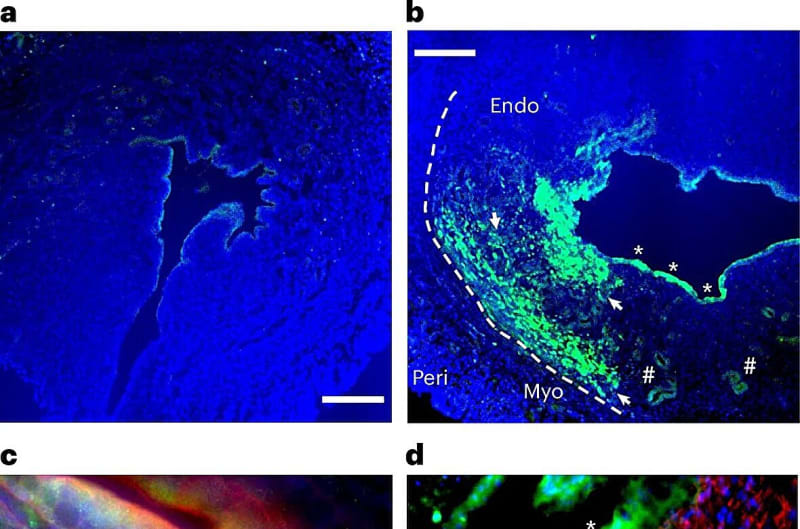
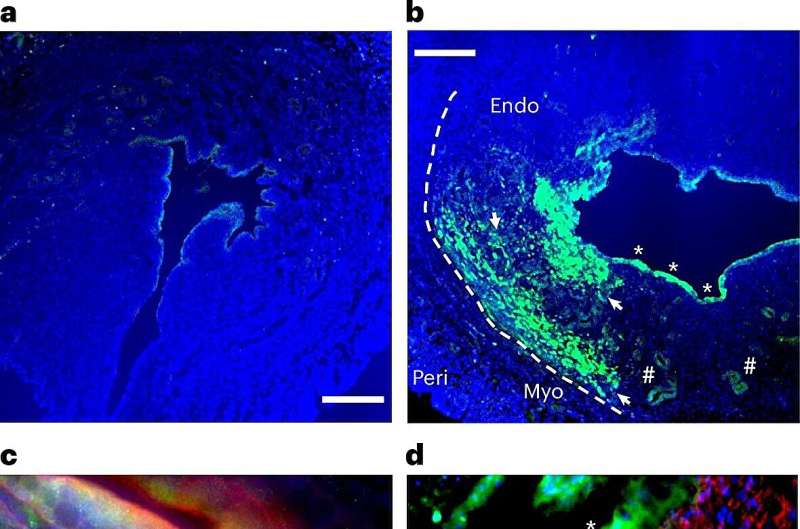
The mRNA told cells to produce GM-CSF, a protein that thickens the uterine lining and helps embryos attach. Traditional protein treatments break down too quickly and spread throughout the body causing side effects, but this new approach kept therapeutic levels high in the uterus for 24 hours while blood levels stayed 60 times lower than conventional treatments.
When tested on mice with uterine injuries similar to human infertility conditions, the results proved remarkable. Treated mice showed embryo attachment rates matching healthy mice, while untreated injured mice had 67% fewer successful implantations. The researchers found no toxicity in the uterus or other organs.
The delivery method uses intrauterine infusion, a minimally invasive procedure already standard in fertility clinics. That means the path to human trials could be more straightforward than treatments requiring new surgical techniques.
Why This Inspires
This breakthrough matters because it creates options where none existed. People who've exhausted fertility treatments and heard "there's nothing more we can do" may soon hear something different.
The same targeting technology could potentially treat other uterine conditions beyond infertility. The researchers designed a platform that delivers healing instructions precisely where needed, opening possibilities for addressing endometriosis, fibroids, and other gynecologic conditions that impact quality of life for millions.
Mice and humans share similar implantation windows despite different reproductive cycles, which means these findings should translate well to human applications. The team is already working toward that next step.
Sometimes the most powerful innovations come from combining existing technologies in new ways—taking vaccine science and fertility medicine and creating something that serves people who've been waiting for answers.
More Images
Based on reporting by Phys.org
This story was written by BrightWire based on verified news reports.
Spread the positivity!
Share this good news with someone who needs it