New Nano Tech Recycles Dirty Plastic Into Clean Fuel
Scientists created a recycling system that works with contaminated plastic waste, breaking it down into reusable materials and even hydrogen fuel. The breakthrough could transform billions of tons of "unrecyclable" trash into valuable resources.
Only 9% of the world's plastic waste actually gets recycled, but a new technology is designed to handle the messy reality that's been holding us back.
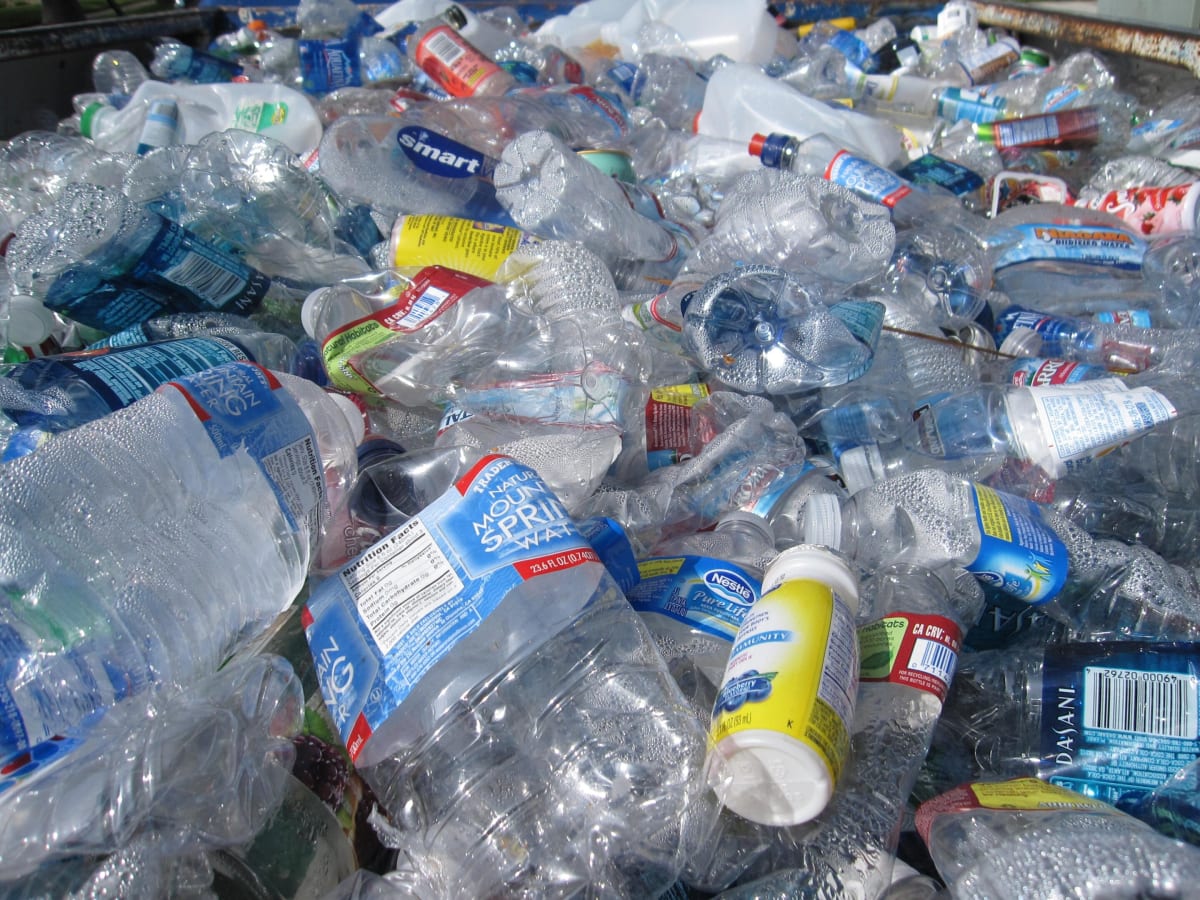
Researchers developed a nano-scale recycling process that doesn't need perfectly sorted, squeaky-clean plastic. It works with the mixed, dirty, label-covered bottles and containers that make up real-world waste streams.
The secret lies in tiny catalysts engineered at a molecular level. These catalysts break plastic down into its original chemical building blocks through a process called depolymerization. The technology can selectively target specific plastics even when they're mixed with food residue, wrong types of plastic, dyes, and other contaminants.
Traditional mechanical recycling requires extensive sorting and cleaning. Even then, each time plastic gets melted and remolded, it loses quality. Eventually it can't be used for food packaging anymore and gets "downcycled" into lower-value products. That's why three-quarters of collected bottles still don't make it back into circulation as high-quality material.
This new approach accepts plastic waste as it actually arrives at recycling centers. A batch with too much dye? A bale mixing bottles with trays? Paper labels still attached? The chemistry is designed to handle all of it.
The technology does something even more valuable with plastic waste. It can convert those long plastic molecules into hydrogen-rich gas, turning trash into potential clean fuel.
Hydrogen is gaining attention as a future energy source, but today's hydrogen production releases 920 million tons of carbon dioxide annually. Most comes from fossil fuels. If plastic waste becomes a hydrogen feedstock instead, we solve two problems at once.
The research team focused on PET plastic, the material in most drink bottles. Europe collects about three-quarters of PET bottles, but collection is just the first step. What happens next determines whether plastic truly gets reused or quietly exits the system into landfills and incinerators.
The Ripple Effect
This breakthrough could reshape the entire economics of recycling. Right now, contaminated plastic drives up costs because facilities spend money, water, and energy chasing purity. A process that tolerates imperfection means more plastic becomes worth recycling.
The technology also changes how we think about plastic waste. Instead of seeing it as trash to eliminate, we can view it as concentrated carbon and hydrogen waiting to be redirected. That shift in perspective opens doors to treating waste streams as valuable resources.
Making this work at industrial scale will require the chemistry to handle day-to-day variability. Real recycling centers don't get perfect feedstock. They get whatever arrives that day, in whatever condition it's in.
The researchers built their system for exactly that challenge. By designing for real-world messiness instead of laboratory conditions, they created something that might actually work when it matters most.
This technology won't solve the plastic problem overnight, but it represents a fundamental shift. We're moving from trying to eliminate contamination to embracing it, and from seeing waste as a disposal problem to recognizing it as stored resources waiting for the right chemistry to unlock them.
More Images


Based on reporting by Phys.org - Earth
This story was written by BrightWire based on verified news reports.
Spread the positivity!
Share this good news with someone who needs it