New Narcolepsy Drug Doubles Wakefulness Time for Patients
After 20 years of research, the FDA approved Orzeyful, the first drug that replaces the missing brain chemical causing narcolepsy in 120,000 Americans. Patients who could barely stay awake five minutes now maintain alertness for over 20 minutes, with some taking up hobbies for the first time. #
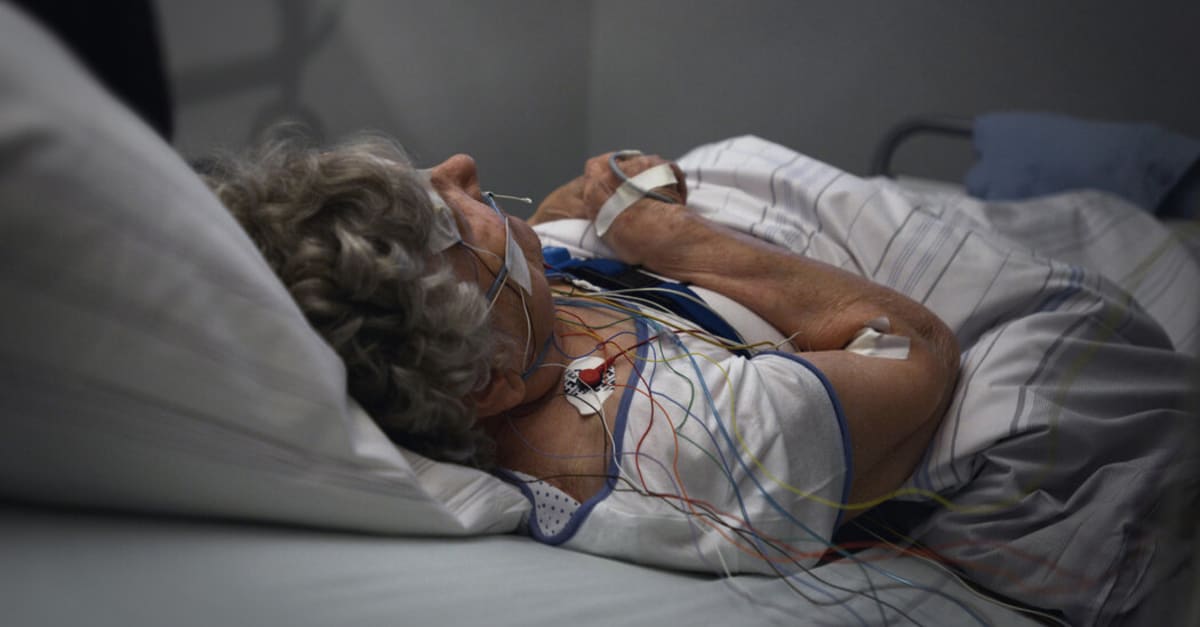
Julie Flygare spent years living in a fog. Diagnosed with narcolepsy during law school, she had just four to six waking hours each day, even on medication. Positive emotions like joy would trigger cataplexy, making her muscles go slack and her knees buckle.
Last month, her 17-year wait ended. The FDA approved Orzeyful, a breakthrough drug that does something no narcolepsy treatment has done before: it replaces orexin, the essential brain chemical missing in people with type 1 narcolepsy.
About 120,000 Americans live with this type of narcolepsy, which causes overwhelming sleepiness and sudden muscle weakness. Until now, treatments only masked symptoms with stimulants. This new drug from Takeda Pharmaceutical actually targets the root cause.
The results stunned researchers. In clinical trials of nearly 300 patients, people who fell asleep within four to five minutes could suddenly stay awake for more than 20 minutes. That's twice as long as current medications allow.
Dr. Thomas Scammell, a sleep researcher at Beth Israel Deaconess Medical Center, called the drug potentially "transformative." Patients reported developing hobbies for the first time: dancing, playing ice hockey, socializing spontaneously.
Flygare participated in one trial. When she arrived for her first visit off medications, she could barely walk or think clearly. After starting the drug, she cracked a joke with her driver, the kind of casual interaction that would normally trigger her cataplexy.
"The wakefulness had a different tone to it; it felt sunnier," said Flygare, who founded Project Sleep, a nonprofit raising awareness of sleep disorders.
The journey to this moment took over 20 years. In 1998, scientists discovered that people with narcolepsy lacked orexin, brain chemicals that act like keys fitting into locks on brain cell receptors. Creating a drug to block those locks for insomnia was straightforward, but designing a key to activate them required exceptional precision.
Dr. Masashi Yanagisawa, who led one of the teams that discovered orexin, faced skepticism. Narcolepsy affects roughly one in several thousand people, making it a tough sell for pharmaceutical investment.
Why This Inspires
This approval represents more than a new pill. It proves that rare disease patients don't have to wait forever for science to catch up with their needs. When Flygare was diagnosed in 2007, replacing the missing brain chemical seemed impossible. Now it's reality.
The drug, taken twice daily, won't be available until the DEA classifies it as a controlled substance, expected by November. Questions remain about long-term effects and whether activating orexin receptors might affect other neurological conditions.
But for people who've spent years fighting just to stay awake through a conversation, those are questions worth asking from a place of hope rather than despair.
#
More Images



Based on reporting by Google News - New Treatment
This story was written by BrightWire based on verified news reports.
Spread the positivity!
Share this good news with someone who needs it