New Nasal Vaccine Protects Mice Against Viruses and Germs
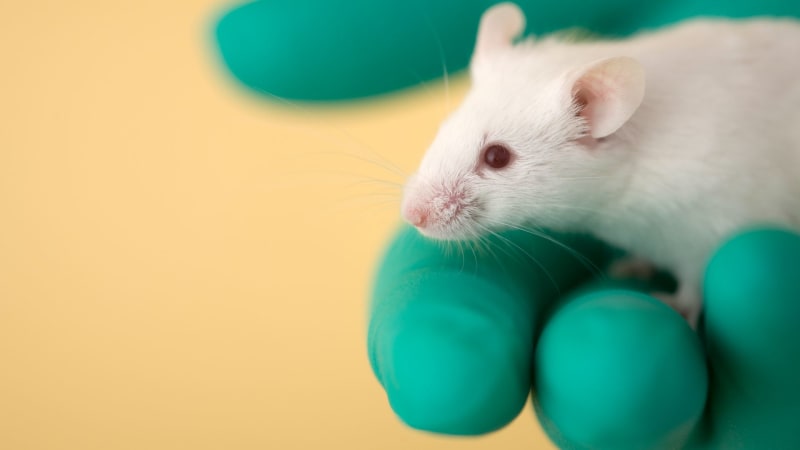
Scientists developed a nasal spray vaccine that protected mice from COVID, flu, bacteria, and even allergens for months. Unlike typical vaccines, it activates the body's first-line defense system to fight multiple threats at once.
Scientists at Stanford University just cracked a code that could change how we think about vaccines.
Their experimental nasal spray protected mice against a stunning range of threats: COVID-19, flu viruses, dangerous bacteria like staph infections, and even house dust mite allergens. The protection lasted for at least three months after just three doses.
Here's what makes this breakthrough different. Most vaccines teach your immune system to recognize one specific enemy, like a protein on a virus's surface. That works great until the virus mutates and changes its appearance.
This new approach flips the script. The nasal spray activates your innate immune system, the body's built-in first responder that fights anything foreign.
The research team studied how the tuberculosis vaccine triggers this same dual protection. They discovered it sends special signals that keep immune cells in the lungs active for months instead of just days.
The new vaccine, called GLA-3M-052-LS+OVA, mimics those signals. When researchers exposed vaccinated mice to various germs and allergens, the animals showed dramatically better outcomes. Unvaccinated mice suffered higher inflammation, weight loss, and risk of death from infections, plus severe allergic reactions.
The Ripple Effect
This research builds on decades of vaccine science, but it points toward something healthcare has long dreamed about: a single shot that protects against multiple diseases. Think of it like teaching your immune system to be a generalist instead of a specialist.
The possibilities extend beyond preventing colds and flu. The same approach could potentially help people with allergies or autoimmune conditions by training their immune systems to respond more effectively.
Of course, the vaccine still needs to prove itself safe and effective in human trials. What works in mice doesn't always translate to people. But the study, published in the journal Science, gives researchers a promising new direction.
The team at Stanford is already planning next steps to test whether this approach could protect humans as broadly as it protected their lab mice.
Every major medical breakthrough starts with a single question: What if we tried something different? This nasal spray might just be the beginning of a whole new way to keep people healthy.
More Images



Based on reporting by Google News - Health
This story was written by BrightWire based on verified news reports.
Spread the positivity!
Share this good news with someone who needs it