New Observatory Finds 11,000 Asteroids in Early Test Run
A powerful new telescope has discovered 11,000 previously unknown asteroids in just its first test observations, revealing what scientists say will revolutionize our understanding of the solar system. The Vera C. Rubin Observatory accomplished in days what used to take years, offering a glimpse of discoveries to come.
The most powerful astronomical camera ever built just passed its first test with flying colors, spotting thousands of hidden asteroids that have been drifting through our solar system undetected for millions of years.
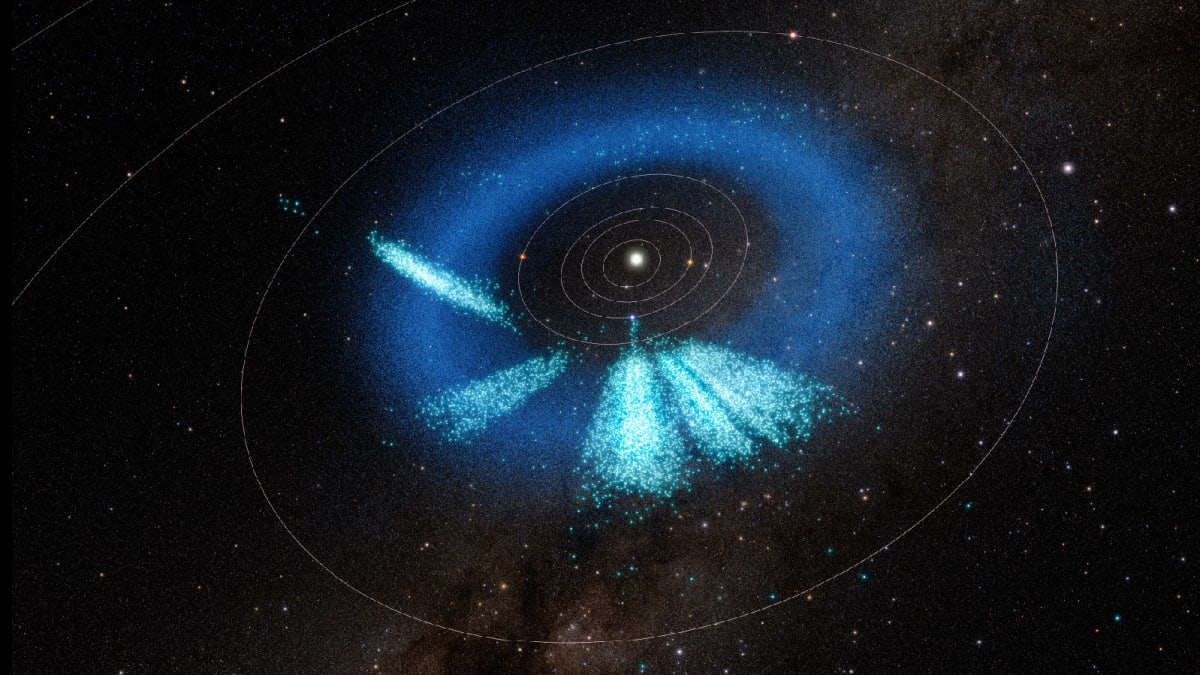
The Vera C. Rubin Observatory in Chile discovered more than 11,000 new asteroids during its preliminary test runs, and it hasn't even officially started work yet. The telescope's massive 8.4-meter mirror and record-breaking camera can scan the entire southern sky every few nights, catching faint objects that older telescopes would miss completely.
Scientists currently know about 1.4 to 1.5 million asteroids scattered across our solar system. Over the next decade, Rubin is expected to find millions more, fundamentally reshaping our map of the cosmic neighborhood.
"What used to take years or decades to discover, Rubin will unearth in months," said Mario Juric, the observatory's Solar System Lead Scientist. The telescope found thousands of moving objects in just days during limited early observations, far outpacing traditional asteroid surveys.
Among the discoveries are 33 previously unknown near-Earth objects, asteroids whose orbits bring them relatively close to our planet. None pose any threat to Earth, but finding them matters deeply for planetary defense efforts.
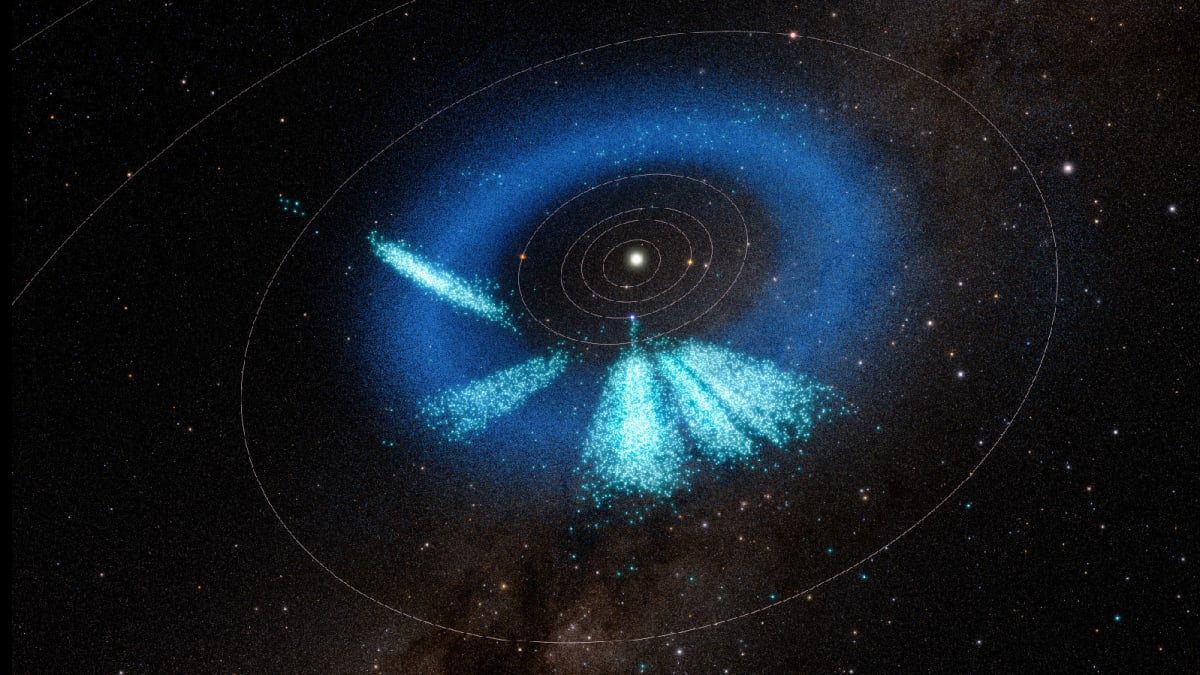
The telescope also spotted roughly 380 trans-Neptunian objects, icy bodies orbiting in the distant reaches beyond Neptune. These frozen wanderers offer clues about how planets moved in the solar system's early days and whether an undiscovered ninth planet might still be hiding in the outer darkness.
Finding these distant objects required developing advanced computer algorithms that scan millions of faint light sources and test billions of possible motion paths. The software sifts through massive datasets to pinpoint the slow, subtle movements of worlds orbiting at the edge of our solar system.
The Ripple Effect
The discoveries go far beyond adding names to a catalog. Traditional surveys discover tens of thousands of asteroids each year, but Rubin found thousands in just a short test period.
When fully operational, the observatory will boost the number of known larger near-Earth objects from 40% to 70% through continuous monitoring. This improved tracking will help astronomers detect potentially dangerous asteroids earlier and calculate their orbits with much greater precision, giving humanity more advance warning time.
The telescope will also help scientists understand how asteroids form, evolve, and move through space. Each new discovery adds another piece to the puzzle of our solar system's four-billion-year history.
"Even with just early, engineering-quality data, Rubin discovered 11,000 asteroids and measured more precise orbits for tens of thousands more," said Ari Heinze, who helped build the detection software. "It seems pretty clear this observatory will revolutionize our knowledge of the asteroid belt."
The night sky is about to become a dynamic, continuously updated map of moving objects, opening the door to discoveries astronomers haven't yet imagined.
More Images

Based on reporting by Space.com
This story was written by BrightWire based on verified news reports.
Spread the positivity!
Share this good news with someone who needs it