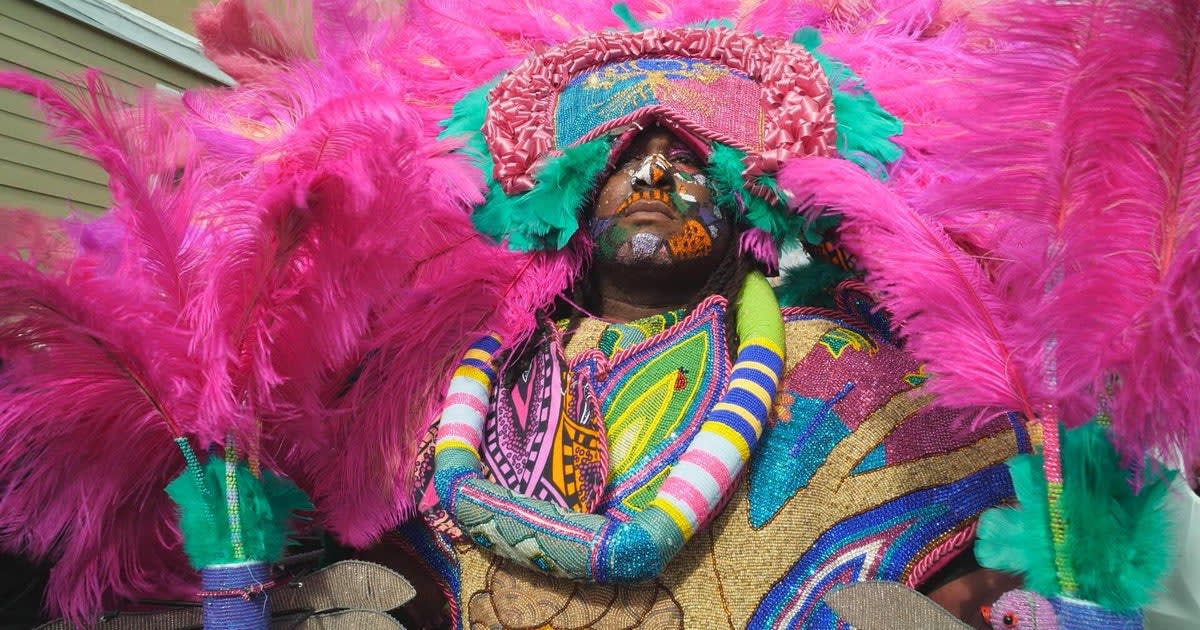
New Orleans Artists Keep 170-Year Tradition Alive with Beads
For over a century, Black New Orleanians have spent thousands of hours and dollars hand-sewing dazzling suits to honor their ancestors and celebrate cultural pride. The Mardi Gras Indian tradition transforms neighborhoods into vibrant displays of art, history, and resilience every year.
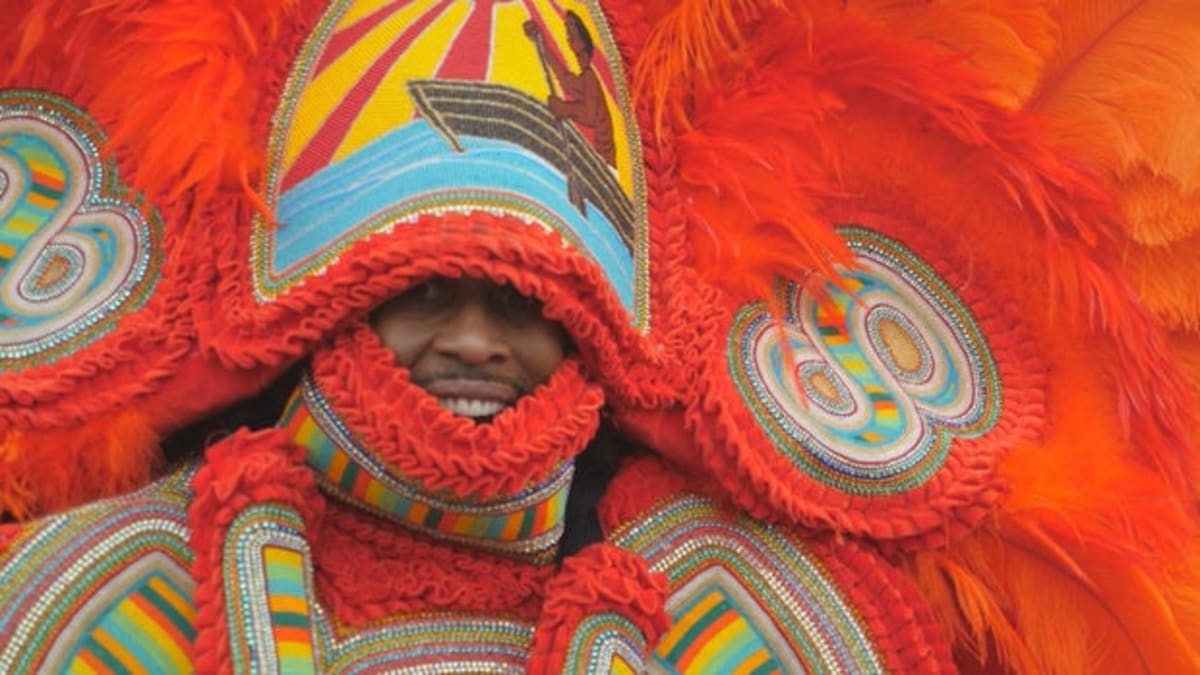
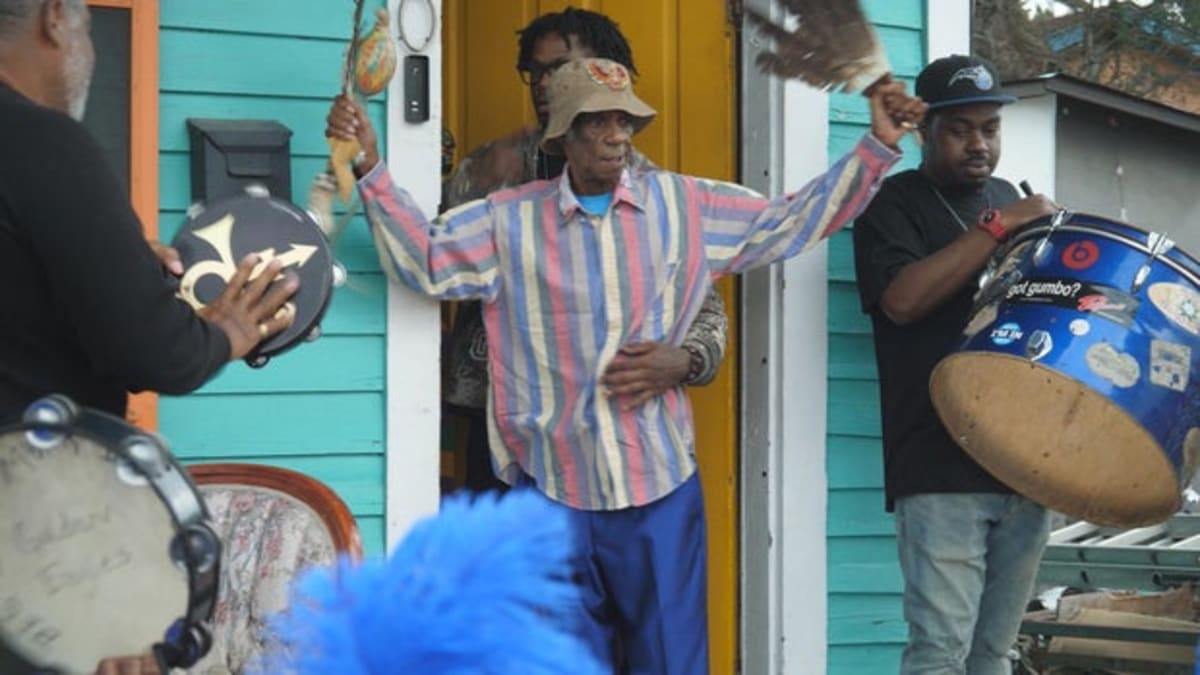
Every Mardi Gras morning in New Orleans, something magical happens in neighborhoods most tourists never see. Groups of Black artists emerge wearing hand-sewn masterpieces covered in thousands of beads, rhinestones, feathers, and sequins, carrying forward a tradition that dates back to the 1800s.
They call themselves Mardi Gras Indians, and their tradition honors both their African ancestors and the Native Americans who, according to oral histories, sheltered escaped enslaved people. Today, the culture thrives as an expression of joy, protest, and community pride passed down through generations.
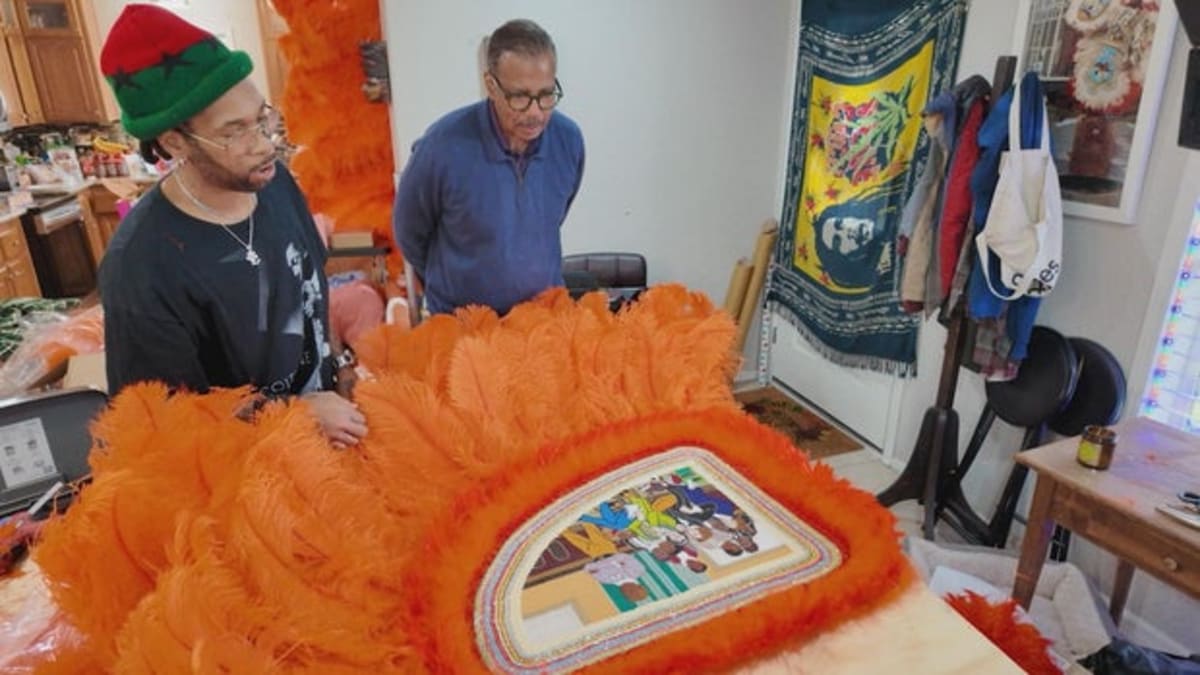
Big Chief Demond Melancon of the Young Seminole Hunters sews from 6 a.m. to midnight, every single day. He and his wife Alicia work like surgeons, stitching chia-seed-sized beads onto canvas and using dental floss to secure rhinestones. They're not just making costumes—they're painting with beads, creating wearable art that tells stories.
This year's suit cost $25,000 and depicts the Amistad rebellion of 1839, when captive Africans seized control of a slave ship and eventually won their freedom through the Supreme Court. Each panel represents hours of research and thousands of intricate stitches, transforming history into something you can wear.
On Mardi Gras day, tribes roam the city searching for each other. When two chiefs meet, they face off in a friendly competition to see whose suit is "the prettiest." It's part pageant, part performance, part preservation of cultural memory.
Why This Inspires
The tradition emerged because Black New Orleanians weren't allowed to participate in the big parades. So they created their own celebration in their own neighborhoods, building something beautiful from exclusion.
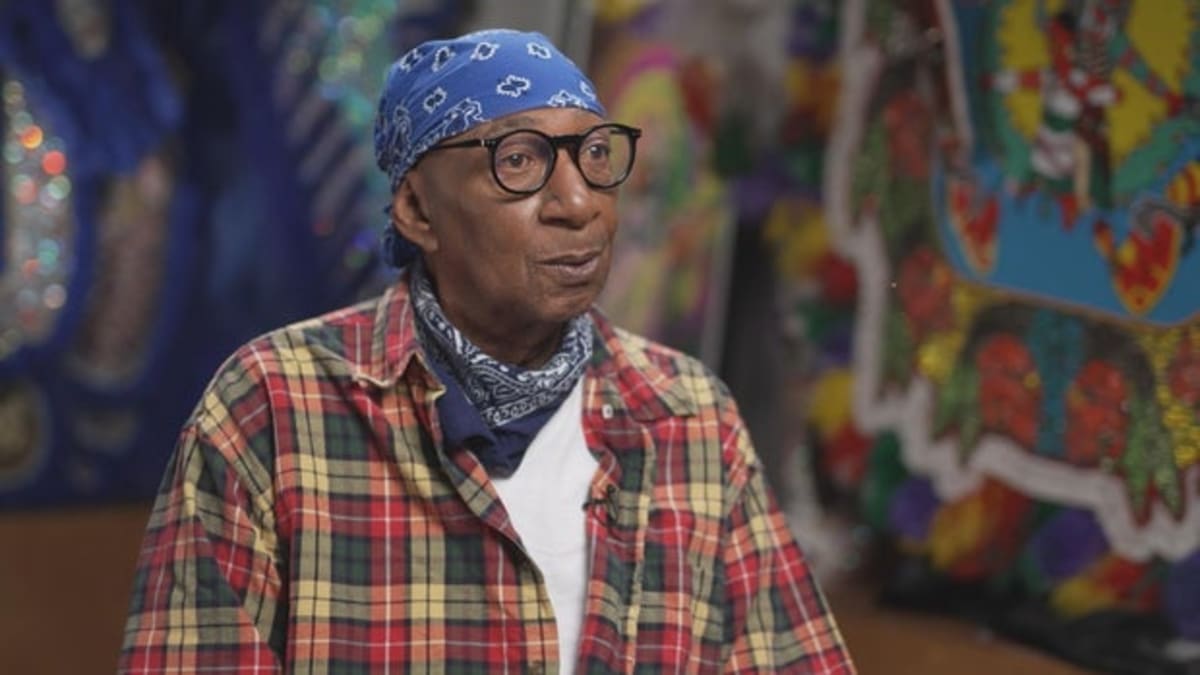
Howard Miller, president of the Mardi Gras Indian Council, explains that masking allowed practitioners to honor their African heritage at a time when everything about Africa was forbidden in the South. Behind their elaborate disguises, they could safely practice and preserve their culture.
For Big Chief Demond, who used to lay concrete and cook lobsters to fund his art, the work is more than creative expression. "Without these beads I couldn't breathe," he says. He now makes his living as an artist, fueled by his community.
There are dozens of tribes across New Orleans, each led by a big chief and big queen with their own crews. They keep what Howard Miller calls "the greatest kept secret in America" alive through pure dedication. Every stitch represents resistance, resilience, and the refusal to let their culture fade.
The tradition survived slavery, segregation, and even Hurricane Katrina. Today's artists are ensuring it survives for generations to come, one bead at a time.
More Images
Based on reporting by Google News - Entertainment
This story was written by BrightWire based on verified news reports.
Spread the positivity!
Share this good news with someone who needs it