New Ovarian Cancer Test Opens Door to Targeted Treatments
A simple biomarker test is helping doctors identify which ovarian cancer patients can benefit from precision treatments that work like guided missiles against tumors. The breakthrough offers new hope especially for women whose cancer stopped responding to traditional chemotherapy.
Women with ovarian cancer now have access to a test that could unlock more personalized and effective treatment options, thanks to advances in biomarker testing at leading cancer centers.
The test looks for folate receptor alpha, a protein found on the surface of many ovarian cancer cells. When doctors know a tumor is FRα-positive, they can prescribe treatments specifically designed to target those cells.
"We're at the forefront of new ways to target FRα-positive ovarian cancer," says Dr. Joshua Cohen, medical director of the gynecologic cancer program at City of Hope Orange County. The testing matters most for patients with platinum-resistant ovarian cancer, where traditional chemotherapy has stopped working.
The test opens the door to antibody-drug conjugates, a newer class of cancer treatment. These therapies work like precision delivery systems. The antibody portion finds cancer cells carrying the FRα marker, then releases chemotherapy directly inside those cells. Traditional chemotherapy, by contrast, circulates throughout the entire body.
Because these treatments target cancer cells more precisely, patients typically experience fewer side effects than with conventional chemotherapy. The most common issues include temporary blurry vision, nerve tingling, nausea and diarrhea. Vision problems almost always clear up within two weeks after treatment stops.
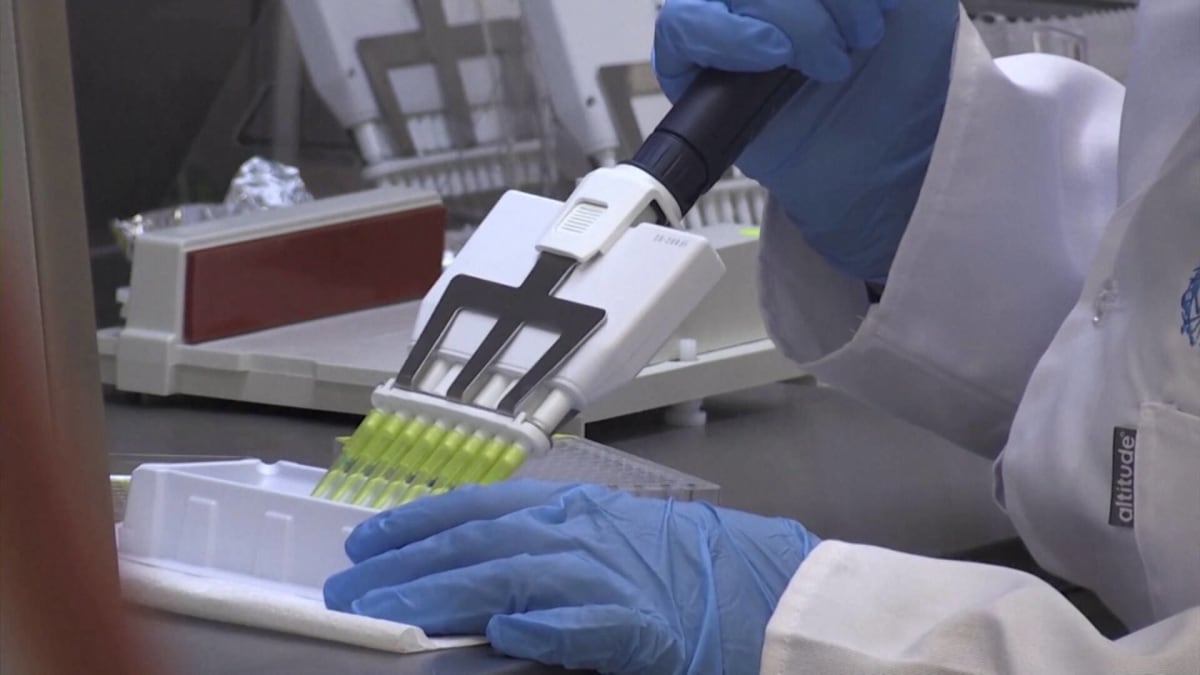
Testing happens on tumor tissue using an FDA-approved diagnostic that measures FRá expression levels. A 75% expression level means three-quarters of the cancer cells in the tumor carry the receptor. Researchers are now studying whether patients earlier in their treatment journey could also benefit, including those whose cancers still respond to platinum-based treatments.
The Ripple Effect
The advances extend beyond single treatments. Doctors have seen meaningful benefits from combining FRá-targeted therapy with other drugs like bevacizumab, which blocks tumor blood vessel growth, and PARP inhibitors, which prevent cancer cells from repairing their DNA.
Clinical trials at City of Hope and other academic cancer centers are testing next-generation antibody-drug conjugates, CAR T cell therapies, and vaccines that train the immune system to recognize cancer. These approaches represent a broader shift toward precision medicine in ovarian cancer care.
Patients can ask their care teams five key questions: Has my tumor been tested for FRá? What were the results? Am I a candidate for targeted therapy? Are there appropriate clinical trials? How can side effects be managed?
These conversations help women understand whether newer targeted therapies might fit their treatment plan and empower them to make informed decisions about their care.
Based on reporting by Google News - New Treatment
This story was written by BrightWire based on verified news reports.
Spread the positivity!
Share this good news with someone who needs it