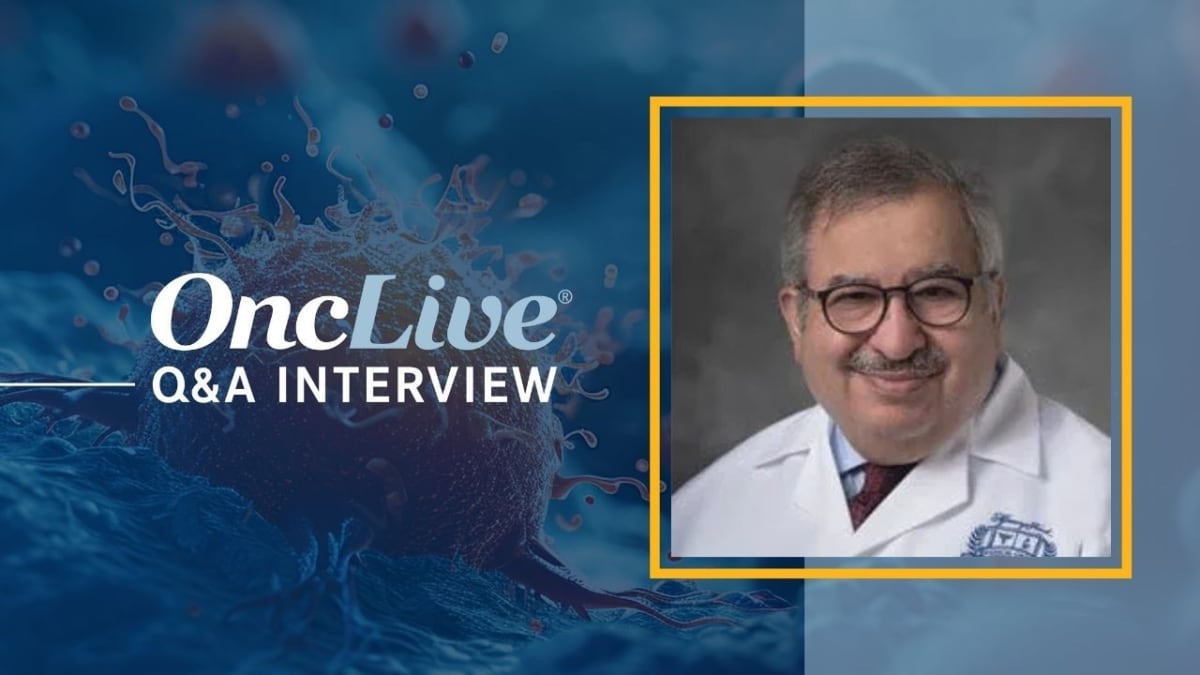
New Pancreatic Cancer Drug Doubles Survival Time at MSK
A breakthrough drug called daraxonrasib doubled survival time for pancreatic cancer patients compared to chemotherapy, offering new hope for one of the deadliest cancers. The treatment targets the genetic mutation behind 90% of pancreatic cancers and causes far fewer severe side effects.
Patients with advanced pancreatic cancer are living twice as long thanks to a groundbreaking new drug that targets the genetic root of the disease.
Daraxonrasib doubled median survival time to 13.2 months compared to 6.7 months with chemotherapy in a major clinical trial of 500 patients. The drug also kept cancer from worsening for 7.2 months versus just 3.6 months with standard treatment.
Dr. Eileen O'Reilly, who led the phase 3 trial at Memorial Sloan Kettering Cancer Center, says she's never seen this level of benefit from any single drug for pancreatic cancer. "People live better for longer," she explains, noting that patients often feel relief from pain and fatigue within weeks of starting treatment.
The secret to daraxonrasib's success lies in its ability to target KRAS mutations, which drive over 90% of pancreatic cancers by sending signals that cause uncontrolled cell growth. For decades, scientists couldn't find a way to stop these mutations, but this drug finally shuts down the cancer-causing signals directly.
Helene Rubin, an 83-year-old grandmother from New Jersey, joined the trial in February 2026 after cancer spread to her lungs. On chemotherapy, she couldn't get off the couch and suffered constant nausea. Now on daraxonrasib, her lung tumors have shrunk and she's back to her regular activities.
The drug proved far easier to tolerate than chemotherapy. Only 1.2% of patients on daraxonrasib had to stop treatment due to side effects, compared to 11.2% on chemotherapy.
Mary Larsen, a clinical trials nurse at MSK, remembers the first patient who received the drug. "I had never seen a turnaround like that," she recalls, adding that watching people feel so much better gave the research team chills.
Why This Inspires
This breakthrough represents decades of scientific persistence paying off. Researchers spent years trying to crack the code on KRAS mutations, and their determination means thousands of pancreatic cancer patients now have real hope where there was little before.
The results were so impressive that Dr. O'Reilly presented them at the 2026 American Society of Clinical Oncology Annual Meeting and published them in The New England Journal of Medicine. Because KRAS mutations appear in nearly every pancreatic cancer case, this treatment could help patients across the board.
For families facing one of the most aggressive cancers, daraxonrasib offers something precious: more quality time together.
Based on reporting by Google News - New Treatment
This story was written by BrightWire based on verified news reports.
Spread the positivity!
Share this good news with someone who needs it