New Pancreatic Cancer Drug Extends Lives by 8 Months
A breakthrough pill is helping pancreatic cancer patients live three to four times longer than with chemotherapy alone. Vicky Stinson, given months to live in 2024, is now thriving two years later thanks to the new treatment.
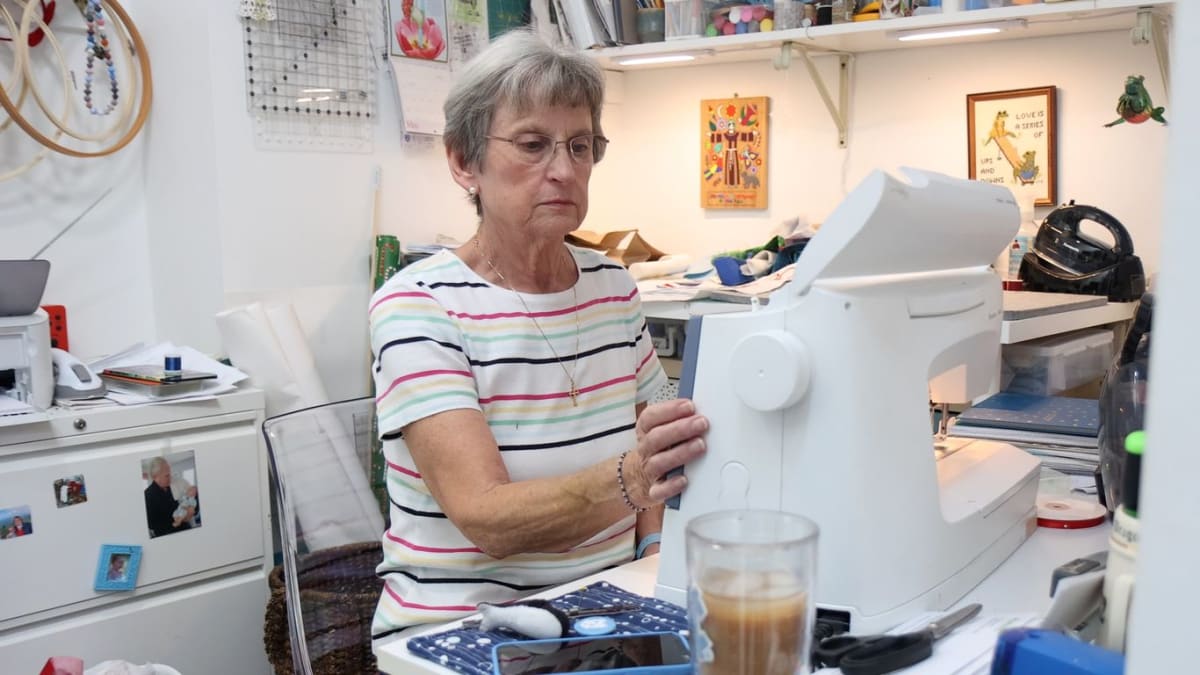
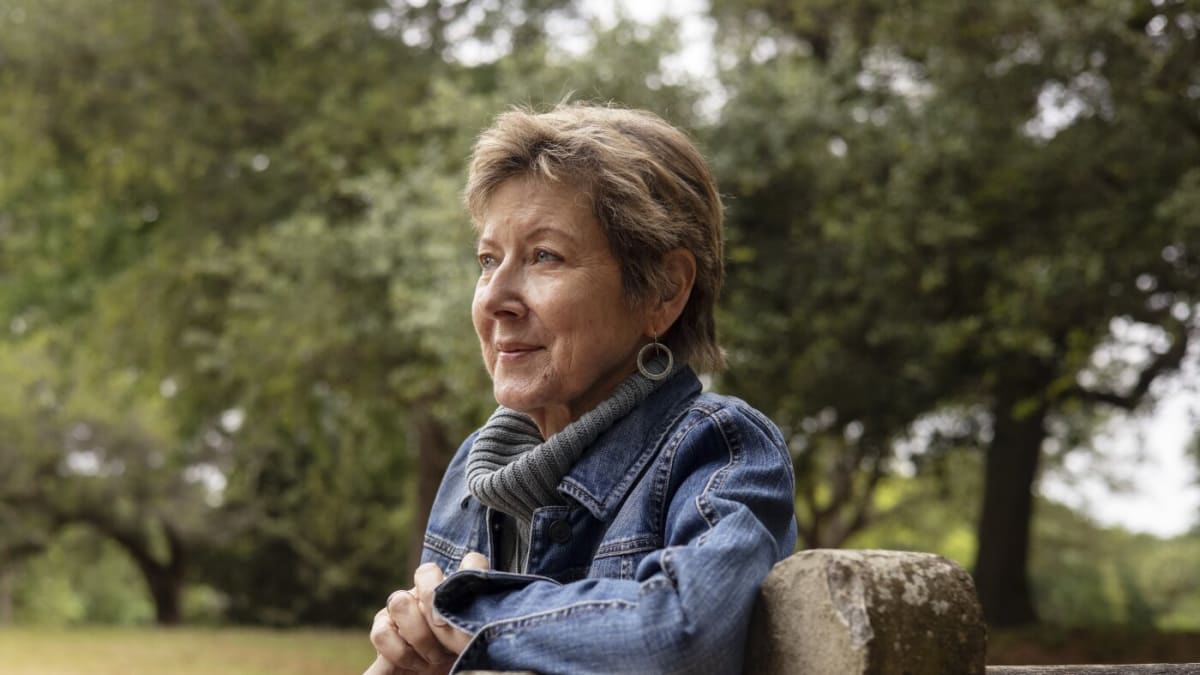
When doctors told Vicky Stinson she had months to live after her Stage III pancreatic cancer diagnosis, the 65-year-old optimist made a decision. "I decided not to take that prognosis," she says with a laugh.
Two years later, Stinson is alive and painting watercolors in Flagstaff, Arizona, thanks to a medical breakthrough that's changing everything for one of the deadliest cancers. She's part of a clinical trial testing daraxonrasib, a new drug that's giving patients like her precious extra time.
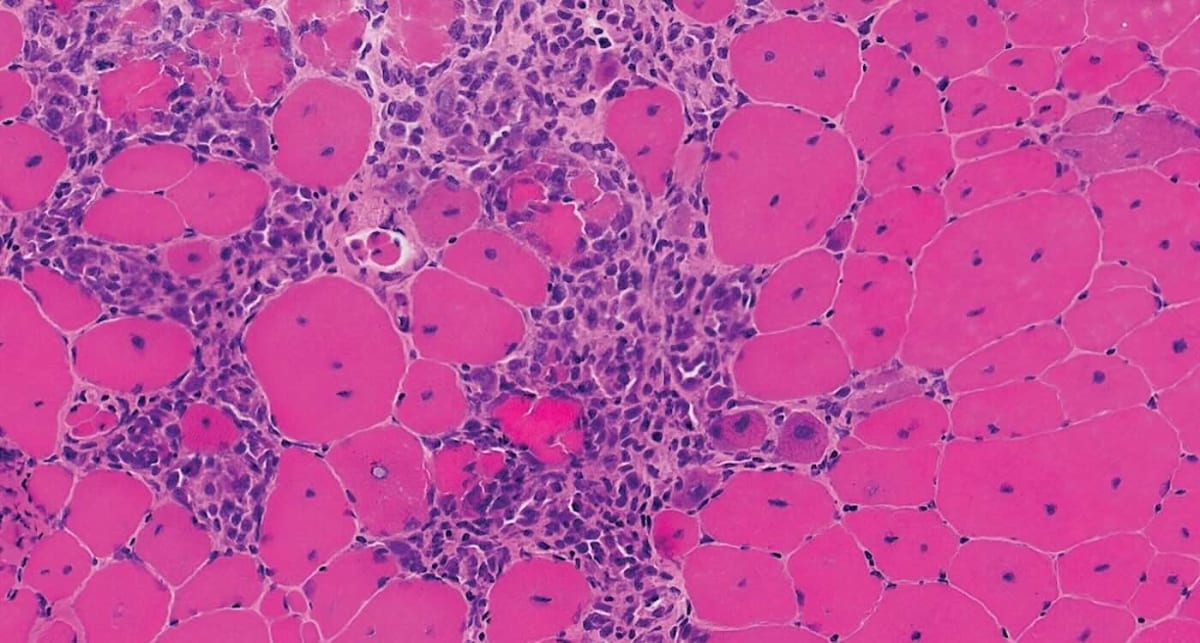
The results just published in The New England Journal of Medicine are stunning. Patients taking daraxonrasib lived 8 to 9 months without their disease getting worse, compared to just 2 to 3 months with standard chemotherapy. That's three to four times longer.
Pancreatic cancer has always been notoriously difficult to treat. The organ sits hidden behind other organs, making tumors hard to detect until it's too late. About 80% of the 70,000 Americans diagnosed each year find out when the disease is already advanced.
The cancer cells also create a protective cocoon that blocks chemotherapy from reaching them. They spread easily through nearby blood vessels like grains of sand scattering across a floor, making them nearly impossible to contain completely.
What makes daraxonrasib different is how it works. Instead of broadly attacking cells like chemotherapy does, this pill targets and kills only cancer cells with specific genetic mutations. It's the same approach that has already transformed treatment for colorectal and lung cancers.
"We are shifting now to a more targeted approach where we can really go after the gene mutation that is thought to be the main driver of the disease," says Dr. Brian Wolpin, who led the study at Dana-Farber Cancer Institute.
For Stinson, the biggest benefit during her 13 months on the trial was simplicity. One pill instead of hours-long infusions, with fewer debilitating side effects that let her keep living her life.
Why This Inspires
This breakthrough represents hope for thousands of families facing a diagnosis that has long felt like a death sentence. The five-year survival rate for pancreatic cancer currently sits at just 13%, compared to 70% for cancers overall.
But researchers say treatments could transform within just a couple of years as multiple promising approaches move forward. Scientists are developing personalized mRNA vaccines, electrical field devices, and better blood screening tests to catch the disease earlier.
For patients like Stinson, every month matters. She's hoping science will help her outrun her cancer long enough to see the next breakthrough, and the one after that.
"I have this drive and I want to keep going," says the retired landscape architect who married her college sweetheart and still has plenty of hiking left to do.
More Images




Based on reporting by Google News - New Treatment
This story was written by BrightWire based on verified news reports.
Spread the positivity!
Share this good news with someone who needs it