New Pancreatic Cancer Drug Shows Unprecedented Results
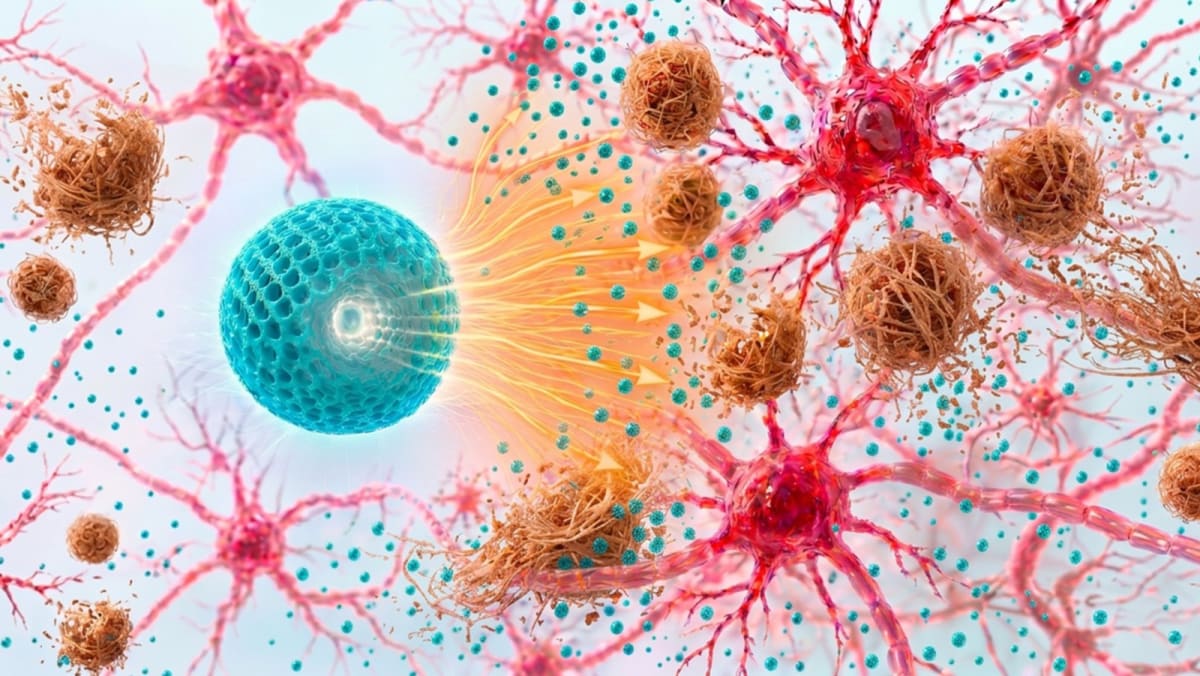
A breakthrough drug from Revolution Medicines is giving real hope to pancreatic cancer patients for the first time in decades. The pill, called daraxonrasib, successfully targeted KRAS, a protein scientists once thought was impossible to drug.
For decades, researchers hit a wall trying to treat pancreatic cancer, one of the deadliest forms of the disease. Now a new drug is breaking through where countless others failed.
Revolution Medicines announced results last week for daraxonrasib, an experimental pill that targets KRAS proteins in pancreatic cancer patients. KRAS mutations drive many cancers, but scientists long considered them "undruggable" because of their slippery molecular structure.
The drug works by blocking KRAS signals that tell cancer cells to grow and multiply. Early results show it's actually working in patients with pancreatic cancer, a condition where most treatments have historically failed.
This breakthrough didn't happen overnight. It took years of persistent effort from researchers who refused to give up on what seemed impossible. They had to completely rethink how to approach a target that had stumped the scientific community for 40 years.
The Ripple Effect
The success of daraxonrasib is opening doors beyond just one drug or one cancer type. Multiple pharmaceutical companies are now racing to develop similar RAS inhibitors, creating a wave of new treatment options.
Pancreatic cancer experts say these results could mark the beginning of a new treatment era. Patients who previously had few options now have reason to hope for more effective therapies in the pipeline.
The drug joins other recent KRAS breakthroughs that are transforming cancer care. What scientists once called the "greasy ball" that drugs couldn't grip is finally yielding to human ingenuity and determination.
Revolution Medicines is continuing to test daraxonrasib in larger clinical trials. Other companies are developing their own versions, each approaching the KRAS target from slightly different angles to maximize effectiveness.
The pharmaceutical industry is also investing billions in this space. Eli Lilly is reportedly close to acquiring Kelonia Therapeutics for over $2 billion, showing how seriously major players are taking these advances.
For patients and families touched by pancreatic cancer, this progress represents something they've desperately needed: genuine reason for optimism. After decades of disappointment, the impossible is becoming possible.
More Images


Based on reporting by STAT News
This story was written by BrightWire based on verified news reports.
Spread the positivity!
Share this good news with someone who needs it