New Pancreatic Cancer Drugs Double Patient Survival Time
After 40 years without progress, three experimental drugs are giving hope to pancreatic cancer patients, with one treatment doubling survival time from six months to over a year. The breakthroughs could transform one of the deadliest cancer diagnoses into a more manageable disease.
Pancreatic cancer patients are finally getting the hope they've waited decades for, thanks to three experimental treatments showing remarkable results in recent trials.
For the first time in 40 years, researchers have made real progress against one of medicine's toughest challenges. Only one in 10 people survive more than five years after a pancreatic cancer diagnosis, and rates have been rising worldwide, especially among young adults.
The most promising news comes from Revolution Medicines, whose drug daraxonrasib helped half of trial patients survive more than 13 months. That's double the survival time of those receiving standard chemotherapy.
Former Nebraska senator Ben Sasse knows firsthand what that extra time means. After receiving a three to four month life expectancy in December following his stage four diagnosis, the 54-year-old started taking daraxonrasib.
"I'm doing a heck of a lot better than I was doing at Christmas," Sasse told the New York Times. While he acknowledged severe side effects that left his face peeling and bloody, the alternative was far worse.
The drug works by targeting KRAS, a protein that helps tumors grow. Revolution Medicines plans to seek U.S. approval soon and will present detailed trial results at next month's ASCO cancer conference in Chicago.
Meanwhile, French researchers at the Leon Berard cancer centre developed NP137, an antibody that takes a different approach. Instead of attacking tumors directly, it prevents cancer cells from becoming resistant to chemotherapy.
Early results showed patients lived an average of six months longer than typical survival rates. "We're giving people an average of six months more, which is significant for this disease," said researcher Patrick Mehlen.
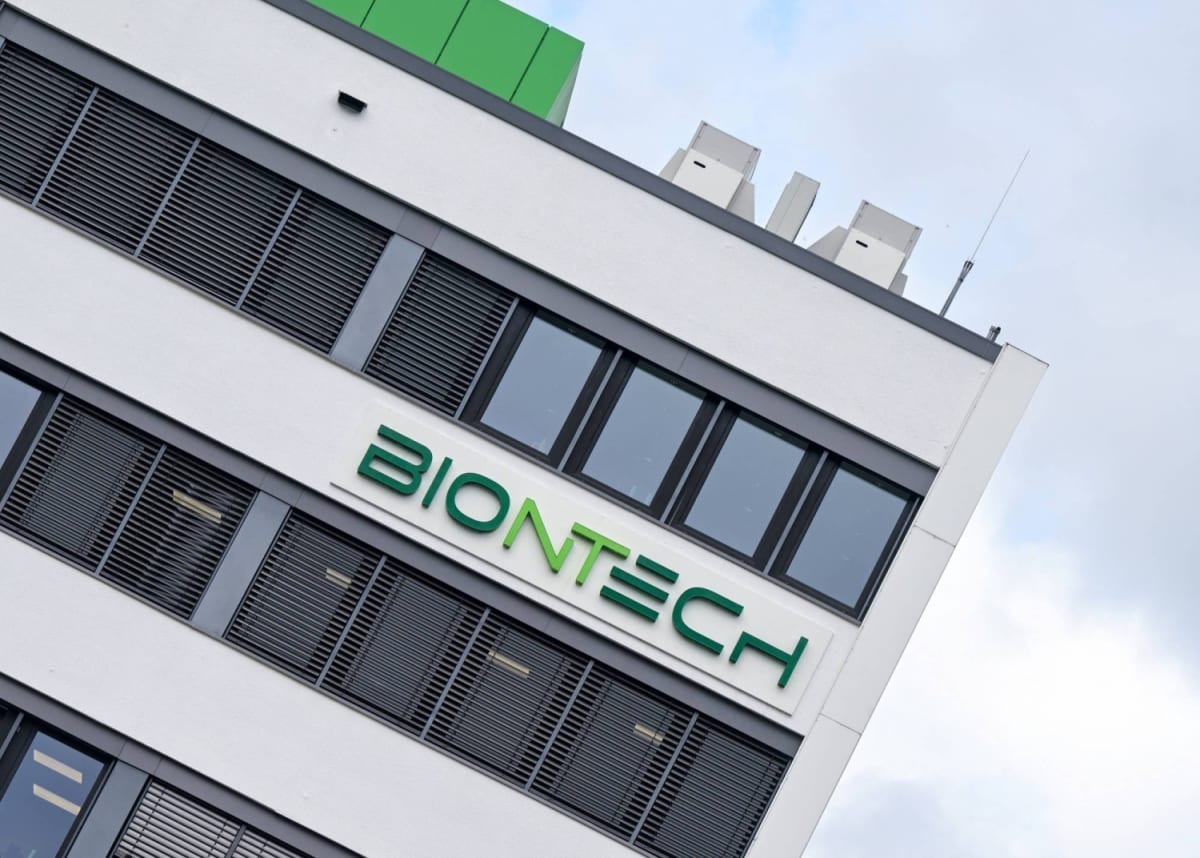
A third breakthrough involves an mRNA vaccine, the same technology that powered COVID-19 shots. Developed by BioNTech and Genentech, the vaccine trains immune systems to recognize and attack pancreatic cancer cells.
In a small trial of 16 patients, the vaccine worked for eight people. Seven of those eight were still alive six years later, compared to just two of the eight whose immune systems didn't respond.
Why This Inspires
These treatments represent more than just extra months. They signal a fundamental shift in how we fight one of medicine's most stubborn enemies.
Patrick Mehlen credits increased funding and research interest over the past decade for finally making a real difference. What seemed impossible for 40 years is now becoming reality in laboratories across the globe.
For patients like Ben Sasse and thousands of others facing this devastating diagnosis, these drugs offer something priceless: time with loved ones, time to make memories, and time for even better treatments to emerge.
While a cure remains distant for most patients, doubling survival time is unprecedented progress. Each month gained is a victory worth celebrating.
More Images


Based on reporting by Google News - France Breakthrough
This story was written by BrightWire based on verified news reports.
Spread the positivity!
Share this good news with someone who needs it