New Pancreatic Cancer Pill Doubles Survival Time
A revolutionary drug just doubled survival time for patients with advanced pancreatic cancer, one of the deadliest forms of the disease. Doctors are calling it unprecedented, and the breakthrough could soon help patients with lung, colorectal, and other cancers too.
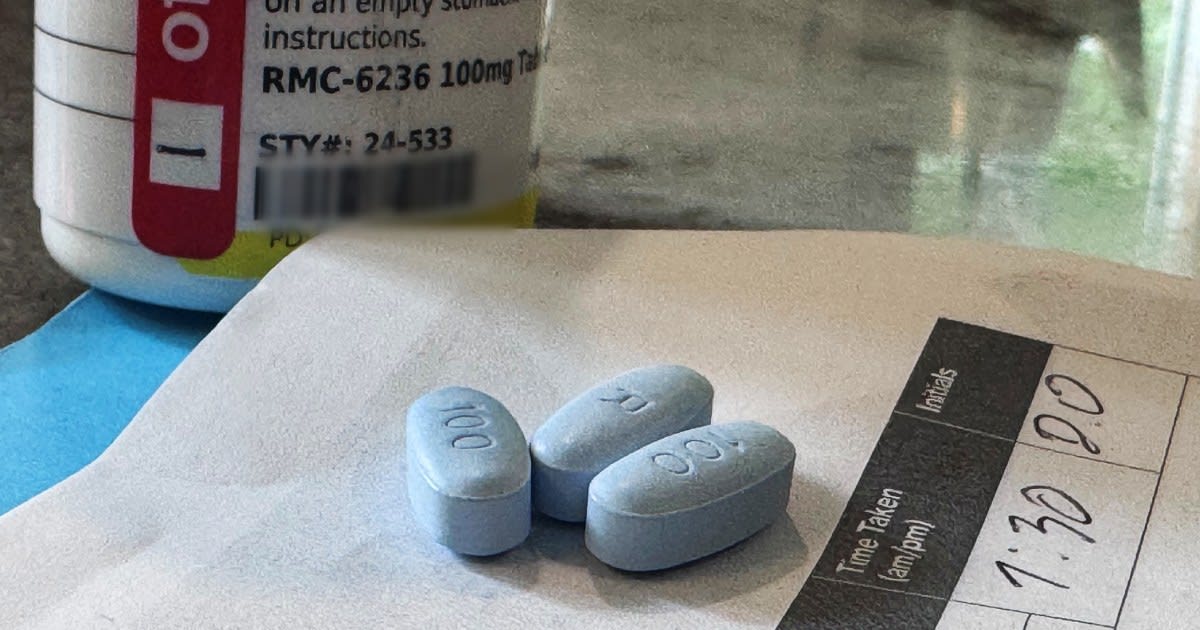
Every patient with advanced pancreatic cancer walking into Dr. Zev Wainberg's UCLA office had the same plea: give me the experimental pill instead of more chemotherapy. Half would get the new drug called daraxonrasib, and half would get standard treatment.
The results stunned even seasoned cancer doctors. Patients taking daraxonrasib lived an average of 13.2 months compared to 6.7 months for those on chemotherapy.
When preliminary findings came out in April, Dr. Rachna Shroff at the University of Arizona Cancer Center started crying tears of joy. "It's that big of a game changer," she said at the American Society of Clinical Oncology's annual meeting in Chicago, where full results were presented last weekend.
Pancreatic cancer is notoriously deadly, with just 3% of patients with advanced disease surviving five years. Most people are diagnosed too late for surgery, leaving chemotherapy as the main option with limited success.
Debby Orcutt, 71, from Massachusetts, enrolled in the trial after her chemotherapy started failing. Since starting daraxonrasib in January 2025, the spot on her liver vanished and her pancreatic tumor shrrank by 80%. "I feel great every single day," she said. "I do not dwell on the fact that I have pancreatic cancer."
The drug works by targeting a mutation in the KRAS gene found in over 90% of pancreatic cancers. This mutation acts like a stuck "on" switch, allowing cancer cells to grow wildly. Scientists struggled for years to create a drug that could turn that switch off because the mutated protein is shaped like a round ball with nowhere for drugs to grip.
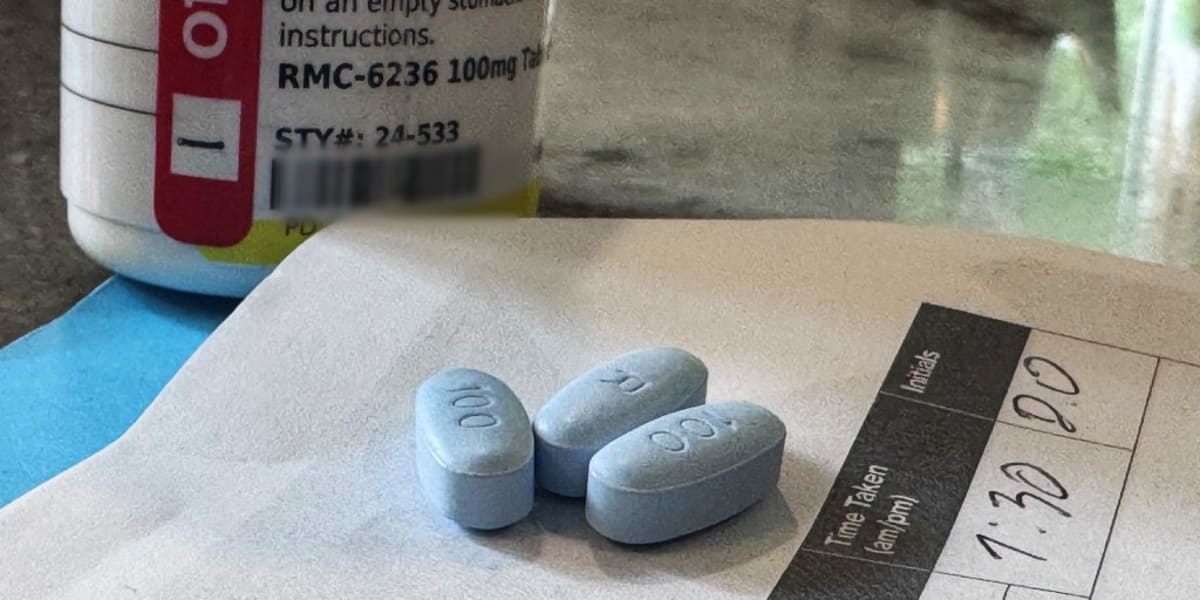
Through breakthrough chemistry work, daraxonrasib pairs with another protein to act like "molecular glue," finally sticking to the mutation and blocking its effects. The drug is taken as three pills once a day.
The Ripple Effect
The KRAS mutation isn't just in pancreatic cancer. It shows up in lung, colorectal, ovarian, endometrial, and certain bile duct cancers too.
"Pancreas cancer may be the first for this drug, but there will be others," said Dr. Brian Wolpin, who led research on daraxonrasib at Dana-Farber Cancer Institute. "Now the floodgates open."
The FDA has fast-tracked the drug for approval and recently allowed Revolution Medicines to provide it to patients outside clinical trials. The company is working around the clock to prepare approval paperwork, though no timeline has been announced yet.
Oncologists across the country are already preparing patient lists for when the drug becomes available. "There's not a doubt in my mind that the second it becomes available, I will start using it," Shroff said.
The drug isn't a cure since tumors eventually find ways to grow again, but Revolution Medicines has three similar drugs in development to create an arsenal doctors can use when resistance develops.
For families facing one of cancer's most devastating diagnoses, this breakthrough offers something precious: more time together and real hope where little existed before.
More Images


Based on reporting by Google News - New Treatment
This story was written by BrightWire based on verified news reports.
Spread the positivity!
Share this good news with someone who needs it