New Pangolin Species Found After 200 Years in Nepal
Scientists confirmed a "new" pangolin species hiding in the Himalayas for nearly two centuries. The discovery gives conservationists critical information to protect one of the world's most endangered mammals.
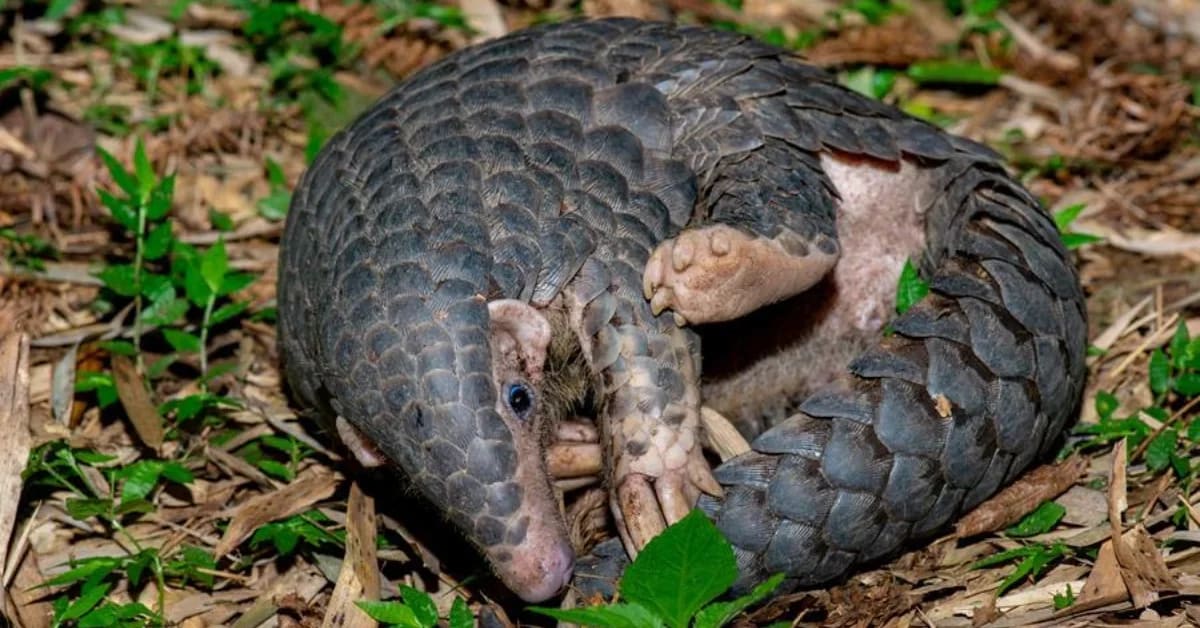
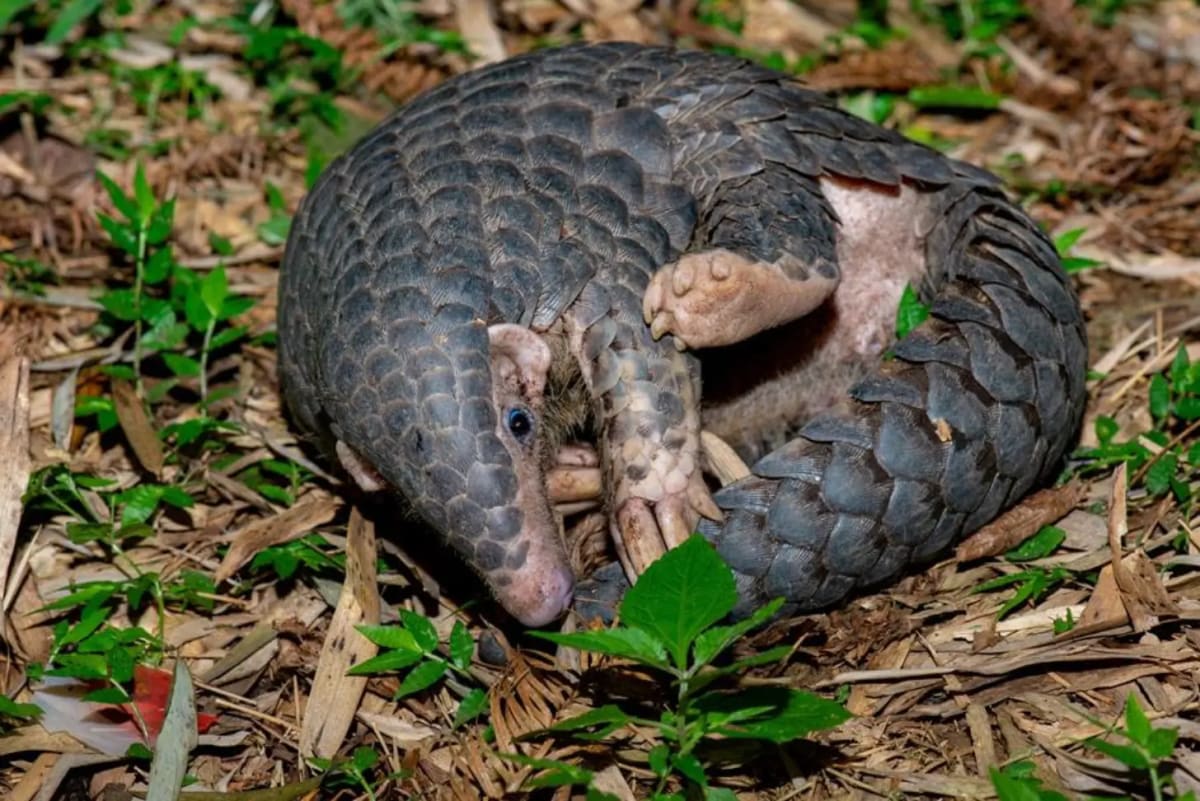
For almost 200 years, a distinct species of pangolin has been living in the forests of Nepal and Northern India, mistaken for its Chinese cousin.
Scientists just confirmed that the Himalayan pangolin is its own species, resurrecting a classification first described in 1836. The discovery gives conservationists vital new tools to protect these critically endangered animals from extinction.
Anderson Feijó, assistant curator of mammals at the Field Museum, put it simply: "We can't protect what we do not know." Now that researchers have confirmed this separate species exists, they can create targeted conservation plans specifically for Himalayan pangolins.
The confirmation came after five years of detailed research led by Narayan Koju from Nepal Engineering College. His team analyzed DNA samples and physical characteristics, finding subtle but important differences between Himalayan and Chinese pangolins.
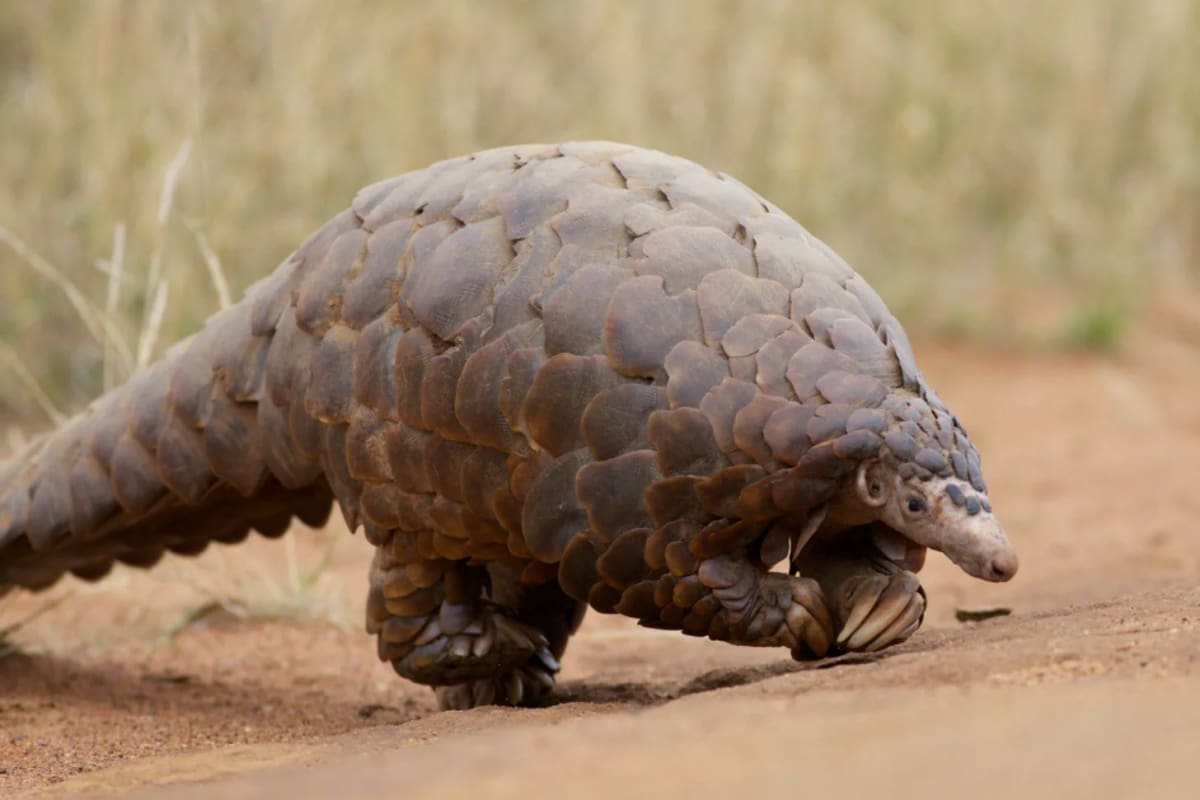
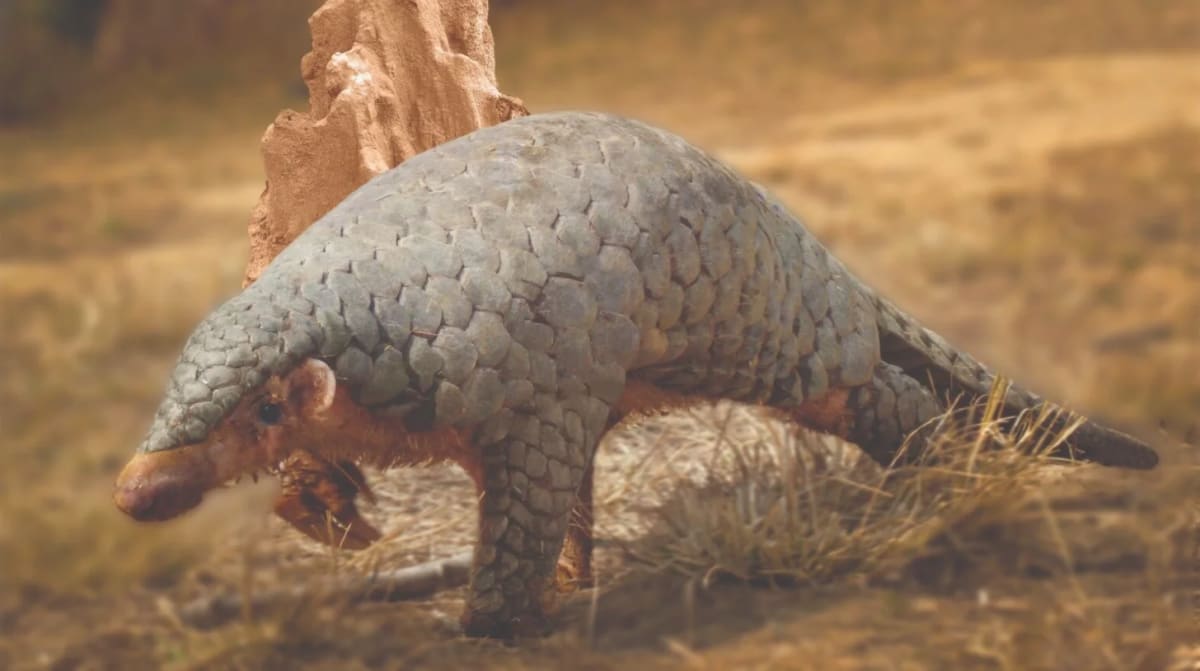
The Himalayan species has a longer tail, bigger body, and much smaller ears than its Chinese relative. In fact, its scientific name "Manis aurita" comes from the Latin word for ear, highlighting this distinctive feature.
Why This Inspires
This discovery shows that even in 2024, our planet still holds secrets waiting to be uncovered. The finding proves that long-term research and international collaboration can make a real difference for endangered species.
All eight pangolin species worldwide face serious threats from poaching. Traffickers hunt them for their meat and scales, which are falsely believed to have medicinal value despite zero scientific evidence. Pangolins hold the tragic distinction of being the most trafficked mammal on Earth.
But knowing exactly which species live where helps wildlife agencies enforce protections more effectively. The discovery also aids wildlife forensics, helping authorities identify and prosecute illegal trafficking operations targeting these specific animals.
The research team's work demonstrates that museum collections and field studies remain essential for conservation. Sometimes the key to protecting endangered animals starts with simply understanding who they really are.
This newly confirmed species now has a fighting chance at survival, armed with its own conservation strategy and scientific recognition.
More Images

Based on reporting by Good Good Good
This story was written by BrightWire based on verified news reports.
Spread the positivity!
Share this good news with someone who needs it