New Parkinson's Treatment Helps Triathletes Stay Active
A 40-year-old triathlete who could barely finish races after his Parkinson's diagnosis is now planning a 100-mile bike ride, thanks to a breakthrough brain device. Penn State Health just became Pennsylvania's first hospital to offer adaptive deep brain stimulation that automatically adjusts throughout the day.
Brandan Mehaffie noticed something was terribly wrong halfway through a triathlon when his entire left side felt like it was dragging behind him. At just 40 years old, the active athlete learned he had Parkinson's disease, a diagnosis that typically affects people in their 60s.
For the 1.1 million Americans living with Parkinson's, symptoms like tremors, stiffness, and slowness gradually steal away the activities they love. Brain cells that produce dopamine, the chemical controlling movement, slowly die off. There's no cure yet, but the latest treatments are helping people reclaim their independence.
Mehaffie chose a cutting-edge option called adaptive deep brain stimulation. Unlike traditional treatments, this FDA-approved device works like a smart thermostat for the brain. A small pacemaker implanted in the chest sends electrical signals to electrodes in the brain, jamming the faulty signals that cause symptoms.
The adaptive version takes this further by automatically adjusting stimulation levels throughout the day based on what the patient needs. When symptoms flare up, the device provides an extra boost. When things are calm, it dials back to save battery life.
"Brain cells fire at frequencies, just like radio stations, and you can think about Parkinson's as a new station that showed up," explained Dr. James McInerney, a Penn State Health neurosurgeon. "You can jam that signal with a neurostimulator."
Penn State Health became the first hospital in Pennsylvania to offer this treatment in March 2025, joining only 22 other hospitals nationwide. Two months later, Mehaffie underwent the procedure to control his tremors.
The results changed his life. Last summer, he got back on his bike after years away. He now teaches spin classes and takes boxing classes designed specifically for people with Parkinson's, walks his dog daily, and enjoys vacations without constant worry about his symptoms.
This summer, Mehaffie plans to tackle a 100-mile bike ride through the Finger Lakes. His only regret? Not doing the procedure sooner.
Why This Inspires
Mehaffie's journey shows how medical breakthroughs are transforming what's possible for people with chronic conditions. While researchers continue working toward a cure through stem cell and gene therapies, today's treatments are already giving people their lives back.
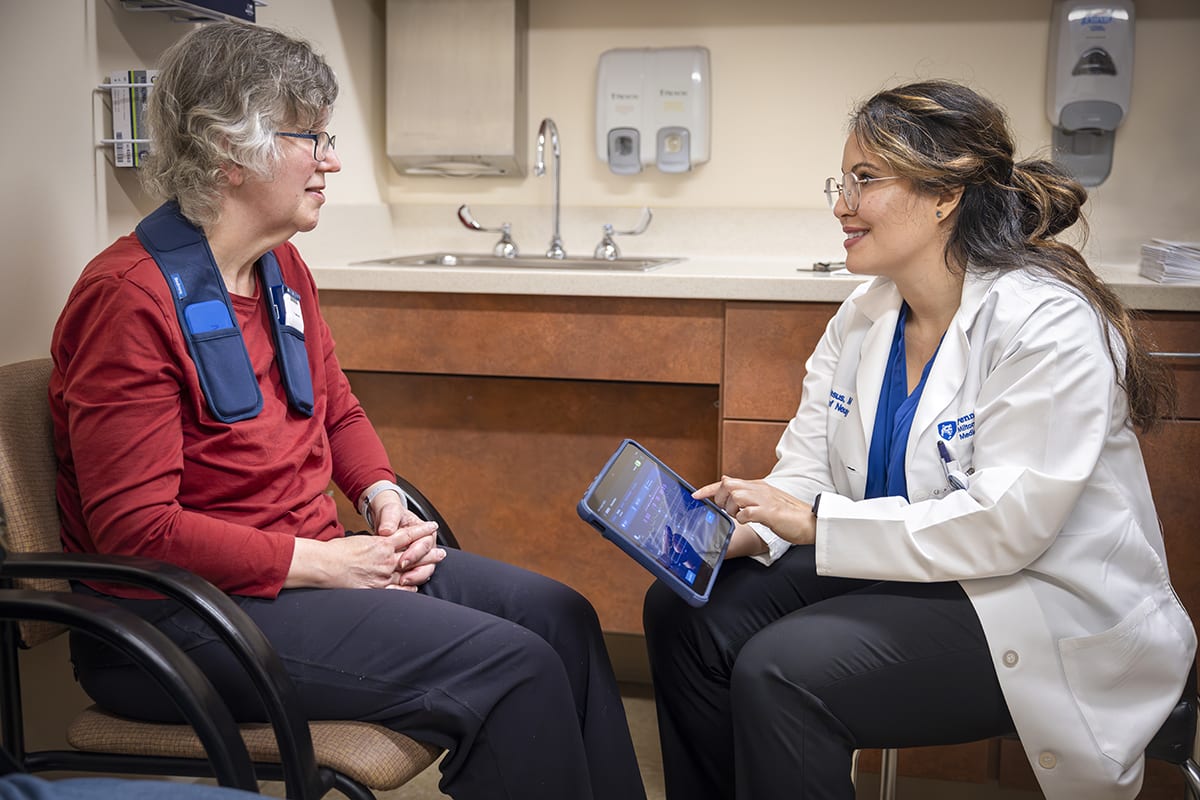
Dr. Sol De Jesus, a neurologist at Penn State Neuroscience Institute, puts it simply: "With the right team and the right plan, people with Parkinson's can have independent, high-functioning lives." For someone who once struggled to finish a race, that's not just medical progress—it's hope you can measure in miles.
Based on reporting by Google News - Disease Cure
This story was written by BrightWire based on verified news reports.
Spread the positivity!
Share this good news with someone who needs it