New Peptide Reduces Seizures in Drug-Resistant Epilepsy
Scientists in Jerusalem discovered a tiny peptide that not only reduces seizures but protects brain cells from long-term damage in treatment-resistant epilepsy. For the 40% of epilepsy patients who don't respond well to current medications, this breakthrough offers new hope.
Around 50 million people worldwide live with epilepsy, and nearly half don't get enough relief from today's medications. Now, researchers at Hebrew University of Jerusalem have found a promising new approach that tackles the root causes of seizures, not just the symptoms.
The experimental compound TXM-CB3 is a tiny tri-peptide that mimics thioredoxin, a natural protective protein our bodies produce to fight chemical stress and inflammation. Both processes play key roles in triggering seizures and making epilepsy worse over time.
Ph.D. students Prince Kumar Singh and Shweta Maurya, working with Professors Tawfeeq Shekh-Ahmad and Daphne Atlas, tested the peptide in lab models designed to mirror severe, drug-resistant epilepsy. The results, published in Redox Biology, showed something remarkable.
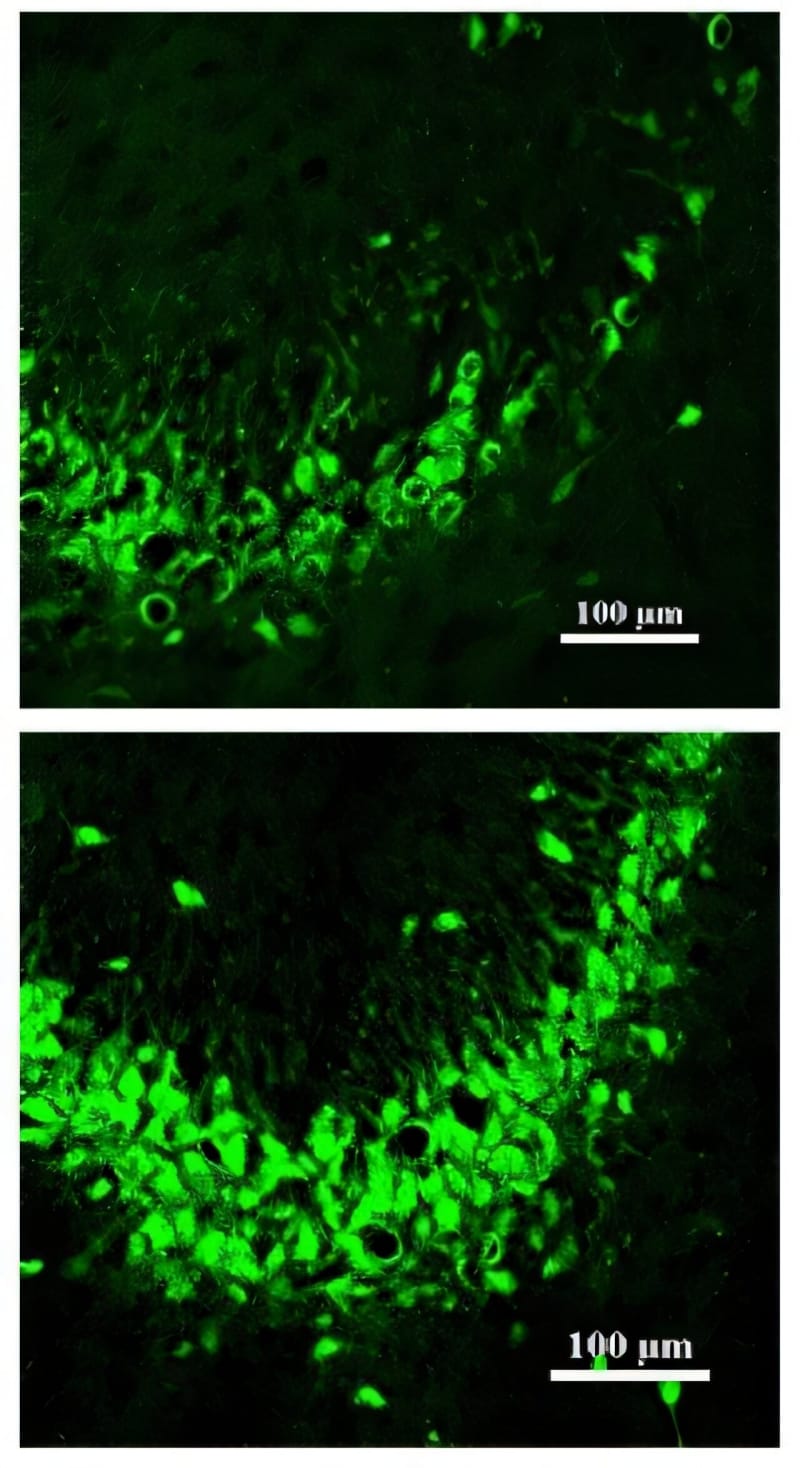
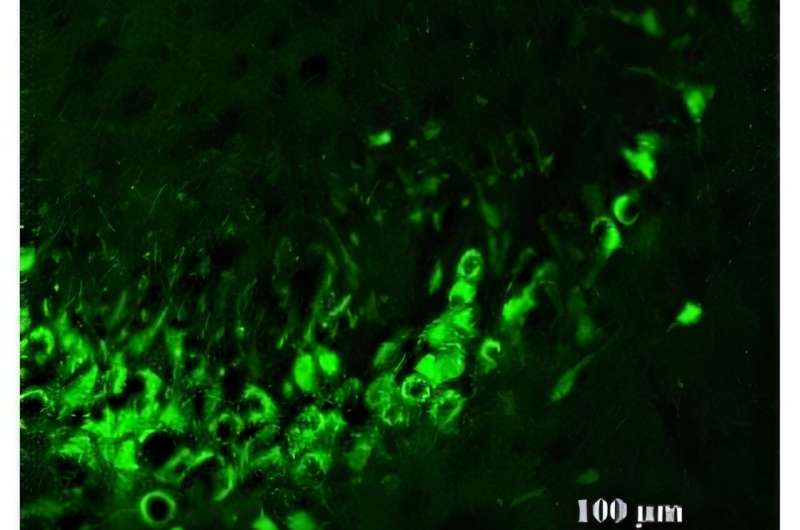
When given early after a major seizure event, TXM-CB3 delayed the start of seizures and reduced how often they occurred. Brain regions critical for memory stayed healthier, and the treated models showed lower anxiety and better short-term memory performance.
Even when treatment started after seizures were already recurring, TXM-CB3 continued to reduce seizure activity over time. The peptide shifted immune signals away from harmful inflammation toward more protective patterns, helping preserve brain cells that would otherwise be lost.
"Most epilepsy treatments focus on reducing seizures, but our goal was to see whether we could affect the underlying processes that may drive the disease forward," said Prof. Shekh-Ahmad. The team found that early intervention made the biggest difference for thinking and memory problems.
The Ripple Effect
Current epilepsy drugs work like emergency brakes, stopping seizures in the moment but doing little to prevent the condition from worsening. This new strategy builds on the body's own protective systems to address the biological conditions that keep bringing seizures back.
For people living with drug-resistant epilepsy, the implications go beyond seizure control. The treatment showed potential to preserve cognitive function and reduce anxiety, addressing the quality-of-life issues that often matter most to patients and their families.
The findings are still experimental, and human trials are needed to confirm safety and effectiveness. But the dual benefit of fewer seizures plus brain protection opens a path toward treatments that could fundamentally change how we approach epilepsy care.
This research offers genuine hope that future therapies might not just manage symptoms but actually slow disease progression and protect long-term brain health.
More Images

Based on reporting by Medical Xpress
This story was written by BrightWire based on verified news reports.
Spread the positivity!
Share this good news with someone who needs it