New Pill Eases Dialysis Patients' Daily Medication Burden
Over 2,000 kidney dialysis patients can now take their anemia medication just three times a week instead of daily, matching their regular clinic visits. The trial proved the simpler schedule is just as safe as daily dosing.
For dialysis patients juggling countless medications and appointments, managing one more pill at home each day adds real stress. A major clinical trial just made life easier for thousands of them.
UC Davis Health researchers tested whether people on dialysis could take their anemia medication three times weekly instead of every single day. The answer turned out to be a resounding yes.
The trial enrolled over 2,000 patients across more than 160 dialysis centers nationwide. They compared the new three-times-weekly oral pill with the standard injectable anemia treatment most dialysis patients currently receive.
Most people on dialysis develop anemia because their damaged kidneys produce less of a crucial hormone called erythropoietin, which tells the body to make red blood cells. Frequent blood draws and iron loss during dialysis make the problem worse, leaving patients exhausted and at risk for complications.
The oral medication, called vadadustat, was approved by the FDA in 2024 for daily use. But researchers wondered if they could align the dosing schedule with patients' typical dialysis clinic visits, which happen three times per week.
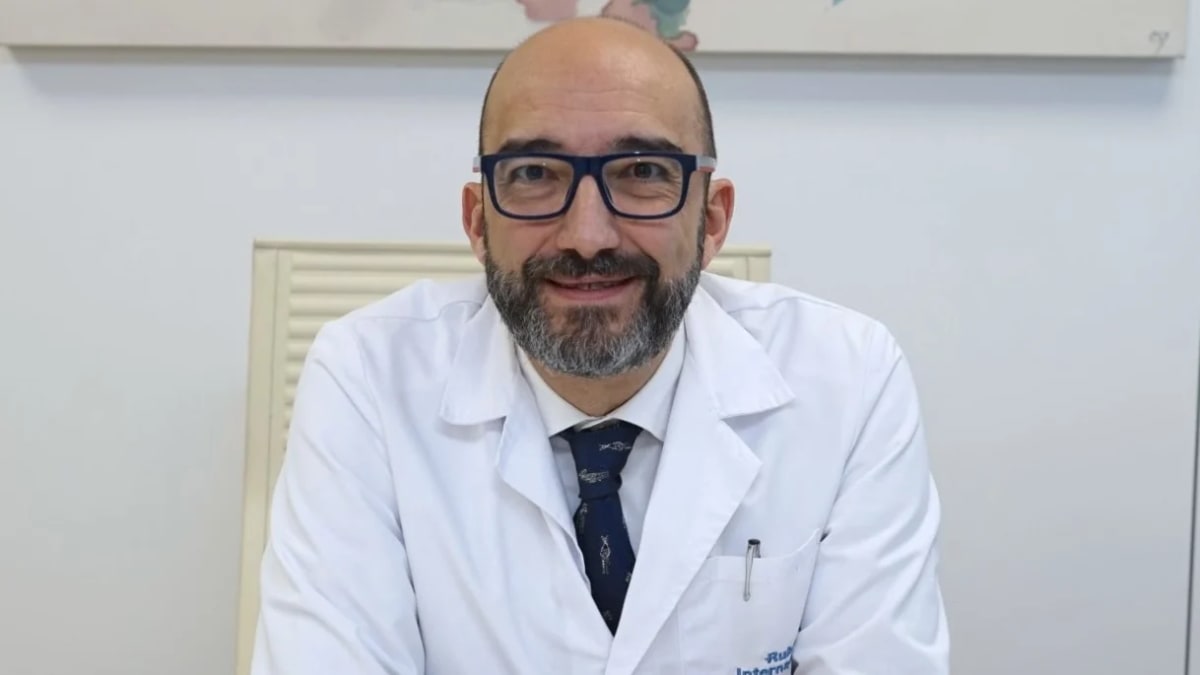
Dr. Shuchi Anand, a kidney specialist at UC Davis who helped design and oversee the trial, explained the thinking. "Offering patients a treatment that aligns with their regularly scheduled dialysis sessions ensures adherence and reduces the burden of managing yet another medication at home," she said.
The trial met its safety goals, proving the oral treatment worked at least as well as standard therapy. Researchers tracked hospitalizations and deaths, finding patients on the oral medication actually experienced improved overall safety outcomes.
The Ripple Effect
The results were so promising that an independent monitoring committee recommended ending the study early. When outcomes clearly favor one treatment, it becomes unethical to continue withholding it from participants.
This marks the first new anemia therapy for dialysis patients in more than two decades. For a population managing one of the most demanding medical treatments available, even small quality-of-life improvements matter enormously.
The three-times-weekly schedule means patients can take their medication right at the clinic under supervision. No remembering pills at home, no missed doses because life got hectic, no extra burden on already exhausted people.
Dr. Anand hopes the trial's success sparks broader innovation. "Dialysis is a burdensome therapy for patients," she said. "The scale and success of this trial should generate momentum for innovation and ultimately improve the quality of care for patients receiving dialysis."
Sometimes medical progress isn't about dramatic breakthroughs but about making existing treatments fit better into real human lives.
More Images

Based on reporting by Google News - Clinical Trial Success
This story was written by BrightWire based on verified news reports.
Spread the positivity!
Share this good news with someone who needs it