New Plastic Film Kills 94% of Viruses on Contact
Scientists created a flexible plastic film covered in tiny pillars that physically tears apart viruses without chemicals. The breakthrough could transform everything from phones to hospital equipment into self-sanitizing surfaces.
Imagine a phone screen or door handle that destroys germs the moment they land on it, no cleaning required.
Scientists at RMIT University in Australia just made that possibility real. They developed a thin, flexible plastic film studded with thousands of microscopic pillars that physically rupture viruses on contact.
The inspiration came from an unexpected place: insect wings. Cicadas and dragonflies stay germ-free thanks to tiny spikes on their wings that stretch and tear bacterial membranes.
Professor Elena Ivanova and her team spent over a decade translating nature's design into something humans could use. Their new acrylic film mimics those natural nanostructures but works on viruses too.
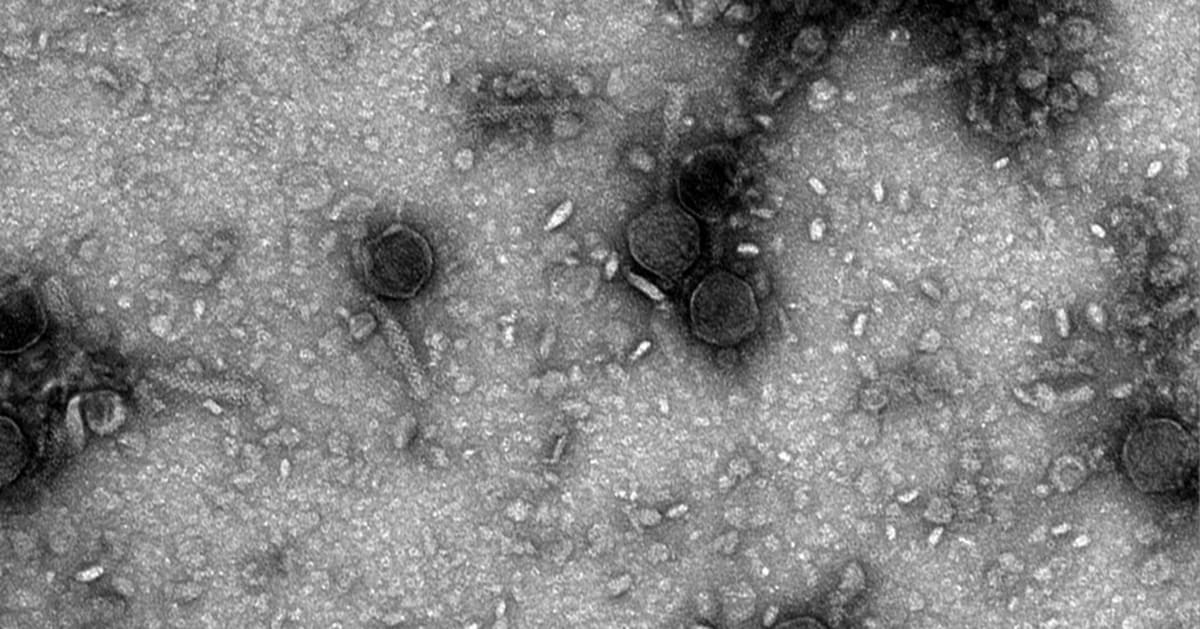
In lab tests, the material destroyed up to 94% of human parainfluenza virus type 3 particles within an hour. That's the virus responsible for bronchiolitis and pneumonia. The nanopillars grab the virus's outer shell and stretch it until it bursts.
The secret is spacing. Pillars packed about 60 nanometers apart work best, creating the perfect trap for viral particles.
This solves a major problem with traditional disinfectants. Chemical cleaners wear off quickly, can harm the environment, and may contribute to antimicrobial resistance. Some antiviral coatings contain substances like graphene that pose their own health risks.
The new material kills through pure mechanical force. No chemicals. No toxic ingredients. No germs developing resistance.
The film is smooth to the touch and flexible enough to wrap around complex shapes. The manufacturing process uses a mould that's easy to scale up for mass production.
The Ripple Effect
This breakthrough opens doors across industries struggling with surface contamination. Food packaging could stay cleaner longer. Public transit handrails could become self-sanitizing. Hospital equipment might stop spreading infections between patients.
Office workers could have desks that destroy cold viruses. Parents could wrap phone cases in material that kills germs their kids encounter daily.
The technology offers particular promise for healthcare settings, where surface transmission remains a stubborn challenge despite rigorous cleaning protocols. Equipment that continuously neutralizes viruses could save lives and reduce hospital-acquired infections.
The team acknowledges the material will eventually degrade like any surface exposed to physical and environmental stress. But unlike chemical coatings that lose potency, these mechanical structures should maintain effectiveness as long as the pillars remain intact.
What started as an attempt to make surfaces so smooth that bacteria would slide off became something far more powerful: a surface that actively destroys threats on contact.
A decade of patience and curiosity about dragonfly wings just gave us a chemical-free path to cleaner, safer everyday surfaces.
More Images

Based on reporting by AllAfrica - Science
This story was written by BrightWire based on verified news reports.
Spread the positivity!
Share this good news with someone who needs it