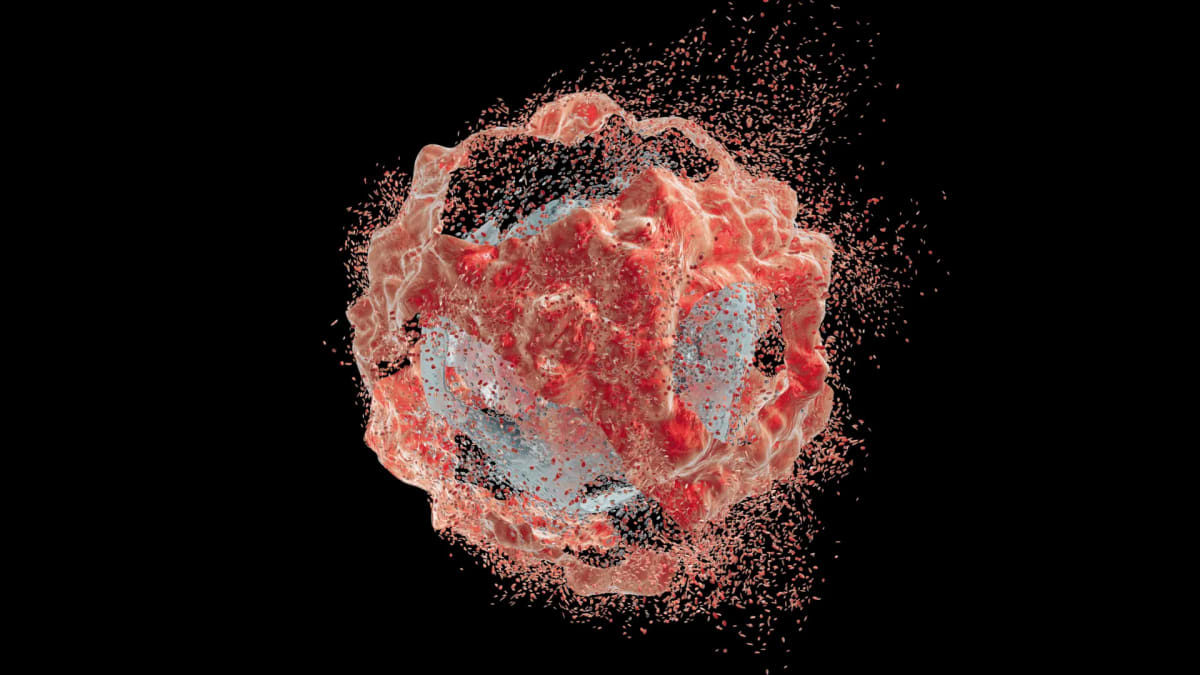
New Platform Boosts Leukemia Treatment Success by 500%
Chinese scientists created a simple add-on that makes failing cancer treatments work again, without expensive genetic engineering. Patients who relapsed after CAR T therapy could now get a second chance at survival.
More than half of leukemia patients who receive cutting-edge CAR T cell therapy eventually relapse, but scientists in China just found a remarkably simple way to change that. Their new platform helps the body's engineered immune cells keep fighting cancer even when tumors try to hide.
CAR T therapy works by training a patient's own immune cells to hunt down cancer, but leukemia cells often evolve to evade detection. When that happens, the expensive treatment stops working and patients run out of options.
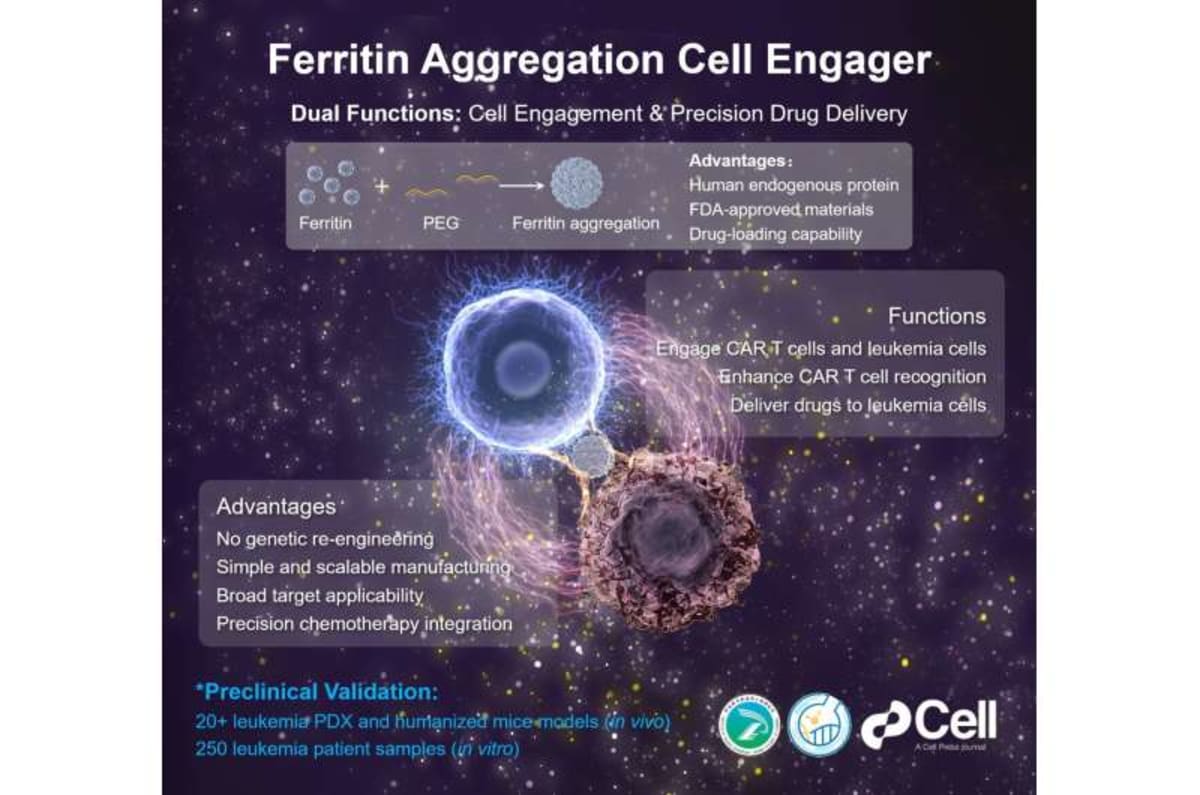
Researchers at the Chinese Academy of Sciences discovered that a protein called CD71 appears on both leukemia cells and CAR T cells across different disease stages. They used this insight to create FACE, a molecular bridge made from ferritin that literally links the two cell types together so the cancer has nowhere to hide.
The breakthrough doesn't require any genetic modification. Doctors simply add FACE to the CAR T cells before infusing them into patients, like adding a booster to existing medicine.
In animal models using cells from actual leukemia patients, FACE-enhanced CAR T cells achieved the same results as standard treatment using only one-fifth of the dose. That means fewer side effects and lower costs for patients.
Even more promising, the enhanced cells worked when cancer antigen levels dropped to just 10% of normal. At those low levels, conventional CAR T therapy becomes almost useless, but FACE-equipped cells still eliminated the cancer completely, achieving 100% survival in test models.
The Ripple Effect
The platform fits seamlessly into existing manufacturing processes, which means hospitals won't need expensive new equipment or lengthy approval processes. It's made from natural proteins and FDA-approved materials that can be produced at scale.
The research team analyzed samples from dozens of patients and built an AI system that predicts which cases will benefit most. Cell journal reviewers called it a "promising translational approach" that could work across many cancer types.
Scientists also loaded the ferritin cages with chemotherapy drugs, creating a version called FACED that killed even antigen-negative cancer cells. These hidden cells often cause relapses, so eliminating them could mean the difference between temporary remission and lasting cure.
The study examined patient samples across different leukemia subtypes and treatment-resistant cases, proving the approach works broadly rather than just in ideal conditions. For the thousands of patients who relapse after CAR T therapy each year, this simple addition could offer renewed hope without starting the grueling treatment process from scratch.
More Images


Based on reporting by Medical Xpress
This story was written by BrightWire based on verified news reports.
Spread the positivity!
Share this good news with someone who needs it