New Platform Makes Robot Programming as Easy as Apps
A new platform called GRID is revolutionizing robotics by making complex AI deployment as simple as downloading an app. General Robotics is betting this breakthrough could do for robots what cloud computing did for the internet.
Imagine programming a robot as easily as installing an app on your phone. That future just got closer.
General Robotics has developed GRID, a platform that transforms how companies deploy AI-powered robots. Instead of spending months coding and testing, businesses can now rapidly prototype and launch robotic solutions using plug-and-play AI modules.
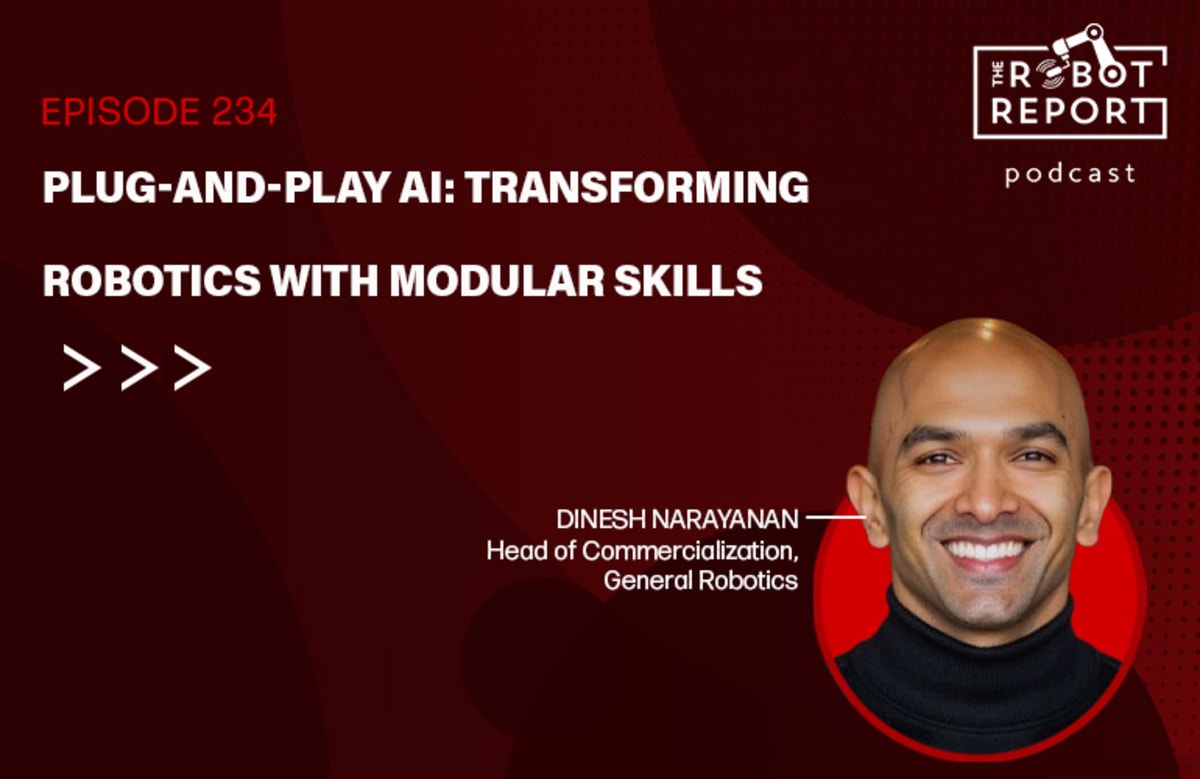
Dinesh Narayanan, Head of Commercialization at General Robotics, explains that the platform integrates simulation, AI models, and deployment pipelines into one streamlined system. The goal is to eliminate the technical barriers that have kept robotics accessible only to large companies with deep pockets and specialized teams.
The company's founders, who came from Microsoft, saw an opportunity to apply cloud computing principles to robotics. Just as Amazon Web Services and Azure made powerful computing accessible to small startups, GRID aims to democratize advanced robotics technology.
The platform's adaptability stands out as its key strength. Rather than forcing companies to rebuild their systems from scratch, GRID allows them to swap AI techniques and adjust to new challenges quickly. This flexibility means a warehouse robot could learn new tasks in days instead of months.
The Ripple Effect
The implications extend beyond efficiency gains. By lowering the barrier to entry, GRID could spark innovation from unexpected places. Small manufacturers, local delivery services, and specialty operations that couldn't afford custom robotics solutions can now experiment with automation.
The platform is already attracting interest from companies developing humanoid robots. These sophisticated machines require coordinating multiple AI systems simultaneously, exactly the kind of complex challenge GRID was designed to solve.
Narayanan envisions a future where robotics development mirrors software development today. Teams could test ideas in simulation, deploy them to physical robots with a few clicks, and iterate based on real-world performance. The feedback loop that drives innovation in apps and websites would finally come to the physical world.
The timing couldn't be better. As industries face labor shortages and pressure to increase productivity, accessible robotics offers a path forward that doesn't require massive capital investment or specialized expertise.
This modular approach to robot intelligence represents a fundamental shift in how we think about automation, making cutting-edge technology available to everyone with a good idea.
More Images


Based on reporting by The Robot Report
This story was written by BrightWire based on verified news reports.
Spread the positivity!
Share this good news with someone who needs it