New Reservoir Unites Warring Communities in South Sudan
A UN-backed water reservoir in South Sudan is ending decades of violent conflict between farmers and cattle herders by giving both groups what they've fought over for years: reliable access to water. The project brought rivals together during construction and is already bringing displaced families home.
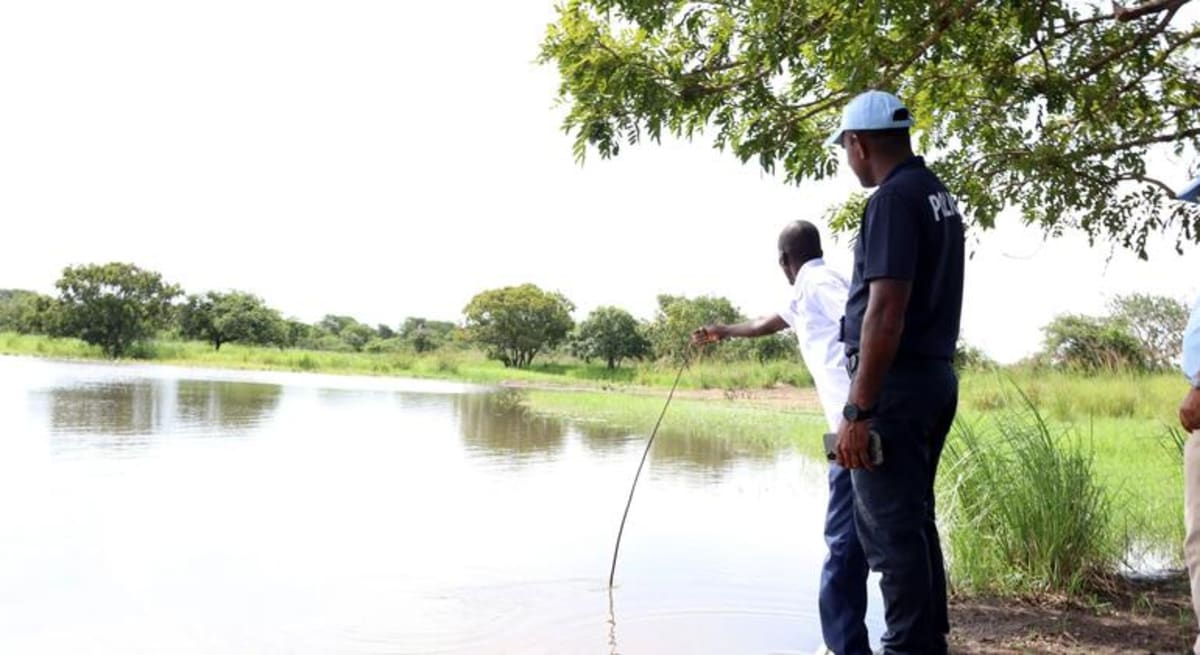
In Terekeka county, South Sudan, a sparkling new reservoir is doing something remarkable. It's turning enemies into neighbors.
For years, farmers and cattle herders in this dry region have clashed violently over scarce water and grazing land. Cattle raids destroyed entire villages, forcing families to flee their homes.
The UN peacekeeping mission in South Sudan saw an opportunity to address the root cause. They built an artificial lake large enough to serve both communities without forcing them to compete.
The location was strategic. Far enough from farmland to keep cattle away from crops, but close enough for farmers to access water for irrigation.
John Kenyi, a cattle keeper and father of three, watched his peaceful community tear itself apart over resources. "It's devastating to see how our peaceful people end up fighting over scarce resources rather than working together," he said.
For Kenyi, his cattle aren't just status symbols. They're his children's future, a way to pay for their education.
The Ripple Effect
Something unexpected happened during construction. When word spread about the project, both farmers and herders showed up with tools to help clear a path for heavy machinery.
"You could really see how energized everyone was about this new water source," said project manager Juman Emmanuel.
Nature added its own gift. Workers struck an underground spring that began naturally filling the 3,200-square-meter reservoir, creating a sustainable water source that will keep flowing even during dry seasons.
The project took just one month to complete. New cattle camps have already formed around the reservoir, and displaced families from the Wonduruba Mundari community are beginning to return home.
Civil Affairs Officer Lawson Assagaya watched the transformation unfold. "This project directly addresses both humanitarian challenges and conflict triggers, and the impact is already visible," he said at the handover ceremony.
Kenyi sees the change in his community. "I don't know if I would say that we were brothers, but we are certainly one community. It gives us pride that this county is now re-emerging as a place people can call home."
Whether the reservoir will permanently end cattle-related violence remains uncertain, but in a region divided by competition, it's already united people around a shared resource and renewed hope that peace is possible.
More Images
Based on reporting by UN News
This story was written by BrightWire based on verified news reports.
Spread the positivity!
Share this good news with someone who needs it